
Navigating the Capital: Top Things to Do in Beijing
Beijing is the historical heart of China. It blends 800 years of imperial history with the fast pace of a modern city. To find the best Things to Do in Beijing, visitors need more than just a simple list. You should understand the city’s “Central Axis” and its complex layout. Whether you are booking tickets for the Forbidden City or choosing a Great Wall section for a group, your plan defines how you experience China’s heritage.
The Imperial Core: Understanding the Central Axis
The primary things to do in Beijing revolve around the Central Axis, a UNESCO World Heritage candidate that defines the city’s symmetry. At the heart lies the Forbidden City (Palace Museum). This is not merely a museum but the world’s largest palatial complex, consisting of 9,999.5 rooms.
From a logistical standpoint, the Forbidden City is now a high-demand site requiring advance reservations. To fully grasp the Ming and Qing architectural philosophy, one should enter through the Meridian Gate and move north, paying close attention to the Hall of Supreme Harmony.
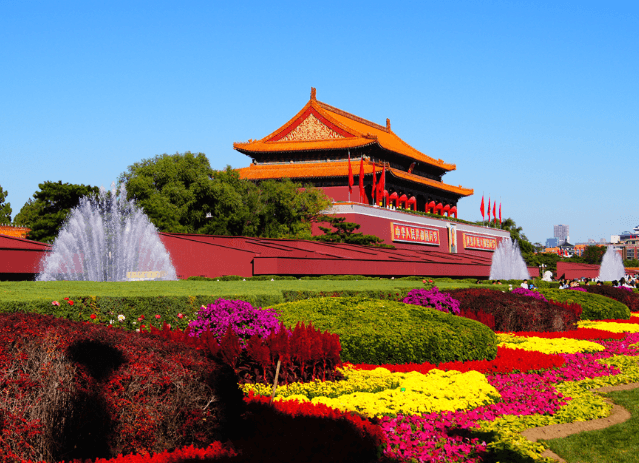
Directly south is Place Tiananmen, the symbolic center of modern Chinese politics. To the north, Parc Jingshan offers the only elevated vantage point to view the palace’s golden rooftops in their entirety. For those seeking cultural depth, the Temple of Heaven in the southern part of the city provides a masterclass in Ming dynasty cosmology, where emperors once performed sacrificial rites to ensure a good harvest.
The Great Wall: Comparative Analysis of Key Sections
Visiting the Great Wall is a non-negotiable item for any traveler, yet the “best” section depends entirely on physical capability and desired atmosphere.
| Section | Distance from CBD | Crowding Level | Terrain/Difficulty | Recommended For |
| Badaling | ~70km | Very High | Easy (Restored) | Families, quick transit |
| Mutianyu | ~75km | Moderate | Moderate | Professional photography, Toboggan descent |
| Jinshanling | ~150km | Low | Challenging (Original) | Hiking enthusiasts, remote views |
| Jiankou | ~80km | Very Low | Dangerous (Wild) | Experienced trekkers only |
For most professional itineraries, Mutianyu offers the best balance of accessibility and scenic integrity. It features high-quality cable cars and is generally less congested than Badaling, allowing for a more contemplative experience of the Ming dynasty fortifications.
Hutong Culture and the Fabric of Old Beijing
Beyond the grand monuments, the “real” Beijing exists within the Hutongs—narrow alleys formed by lines of siheyuan (traditional courtyard residences). Exploring these is among the most immersive things to do in Beijing.
Le Shichahai area and the Nanluoguxiang district are the most famous, though they have become highly commercialized. For a more authentic experience, the alleys around the Lama Temple (Yonghe Temple) offer a quieter glimpse into local life. Here, the scent of incense from one of the world’s most important Tibetan Buddhist monasteries mingles with the daily routines of residents. Understanding the Hutongs is essential for grasping the social evolution of the city from the Yuan Dynasty to the present.
Contemporary Beijing: Art, Industry, and Innovation
Beijing is not a static museum; it is a hub of contemporary global culture. The 798 Art District, located in a former East German-designed electronics factory complex, is the epicenter of China’s modern art movement. The Bauhaus-style architecture now houses high-end galleries, studios, and design firms.
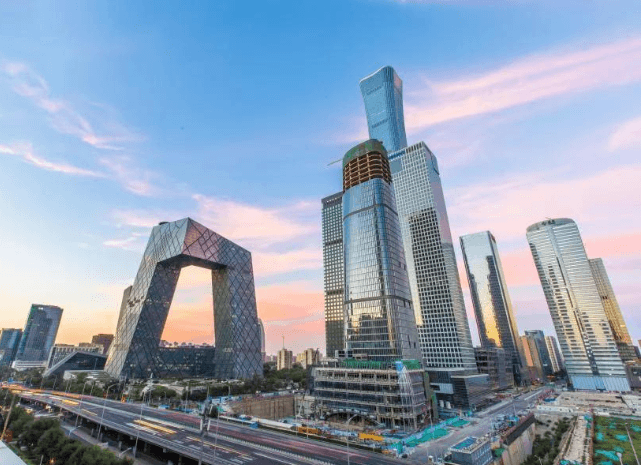
For a view of the “New Beijing,” the Central Business District (CBD) in Chaoyang showcases architectural marvels like the OMA-designed CCTV Headquarters (the “Big Pants”). This area represents the city’s economic transition and is the best location for high-end dining and luxury hospitality.
Strategic Planning and Logistical Support
Modern Beijing requires precise logistical planning. The shift toward digital-only ticketing and the scale of the city can be daunting for first-time visitors. Leveraging professional platforms like Sinotrip’s Beijing Services can significantly streamline the experience.
High-value visitors often prioritize:
- Private Transfers: Navigating the five ring roads via professional drivers to avoid the complexities of local ride-hailing apps.
- Curated Guided Tours: Accessing expert historians who can navigate the nuanced history of the Summer Palace or the Ming Tombs.
- Ticketing Procurement: Ensuring guaranteed entry to high-traffic sites like the National Museum or the Forbidden City, which often sell out weeks in advance.
Culinary Traditions: The Beijing Gastronomy
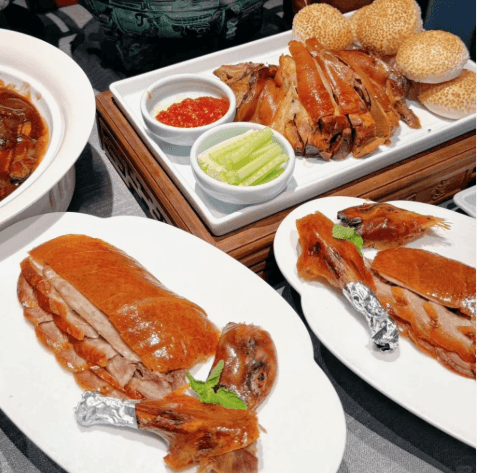
No list of things to do in Beijing is complete without a focused culinary exploration. Peking Duck remains the city’s signature dish. Establishments like Quanjude offer the traditional experience, while boutique restaurants in the Hutongs provide modern interpretations.
For the adventurous, the Old Beijing snacks (Lao Beijing Xiaochi) such as Jianbing (savory crepes) or Douzhi (fermented mung bean milk) offer a taste of the city’s gritty, resilient history. Dining in Beijing is a ritual of hospitality and status, reflecting the city’s long history as an imperial capital.
FAQ
1. What is the best time of year to visit Beijing?
The “Golden Autumn” (September to October) is widely considered the best period. The weather is dry and cool, and the foliage on the Great Wall provides spectacular views. Spring (April to May) is also pleasant, though occasionally subject to sandstorms.
2. How many days are needed to see the main things to do in Beijing?
A minimum of 3 to 4 days is required to cover the primary sites (Great Wall, Forbidden City, Temple of Heaven, and Summer Palace). A 5-to-7-day itinerary allows for a deeper dive into the Hutongs and contemporary art districts.
3. Is the Forbidden City open every day?
No. The Forbidden City is typically closed on Mondays (except for national holidays). It also operates under a strict daily visitor cap, making pre-booking essential through an authorized travel partner or the official portal.
4. How do I get to the Great Wall from downtown Beijing?
Options include the high-speed train to Badaling (from Qinghe Station), the “S2” sightseeing train, or private car services. For Mutianyu or more remote sections, a private transfer is highly recommended due to the lack of direct public transit.
5. Do I need a visa for a short trip to Beijing?
Many nationalities can take advantage of the 72/144-hour visa-free transit policy if they are transiting through Beijing Capital International Airport (PEK) or Daxing International (PKX) to a third country. Always verify current immigration policies before travel.
Reference Sources
- UNESCO World Heritage Centre: The Imperial Palaces of the Ming and Qing Dynasties
- The Palace Museum (Official Site): Ticketing and Regulations
- China National Tourist Office: Regional Travel Guidelines
- International Air Transport Association (IATA): Travel Pass & Visa Requirements


