Tibet Packing List: What to Bring for Your Trip
A practical Tibet packing list should account for altitude, strong sunlight, changing temperatures, walking conditions, and the length of your trip. You do not need to pack for every possible situation. A better approach is to bring versatile layers, comfortable footwear, sun protection, personal essentials, and the documents needed for your itinerary.
Your packing needs can also change with the season and the type of trip you are planning. A short visit focused on Lhasa requires a different approach from a longer journey involving outdoor activities or remote areas. Before departure, check current travel, transport, accommodation, and entry requirements through reliable official sources.
Tibet Packing List Essentials
Clothing and Layers
Layering is one of the most practical ways to prepare for changing conditions in Tibet. Temperatures can vary considerably between daytime and nighttime, and conditions may also differ between locations and elevations.
Consider packing:
- Lightweight base layers
- Long-sleeved shirts
- A warm fleece or mid-layer
- A windproof or insulated outer layer
- Comfortable trousers
- Warm socks
- Underwear and sleepwear
- A lightweight waterproof layer if appropriate for your travel dates
You do not necessarily need to bring a large amount of heavy clothing. Several versatile layers are usually easier to manage than one bulky coat.
For warmer months, lightweight clothing can be useful during sunny daytime conditions, while a warm layer remains practical for cooler mornings and evenings. For colder months, prepare more substantial insulation and make sure your outer layers suit the expected weather.
Comfortable Shoes
Good footwear is an important part of a Tibet packing list because many itineraries involve walking around historic areas, streets, viewpoints, and attractions.
Choose shoes that you have already worn and know to be comfortable. Depending on your itinerary, useful options may include:
- Comfortable walking shoes
- Lightweight hiking shoes for suitable outdoor routes
- Extra socks
- Simple sandals or other easy-to-wear footwear for hotel use
Avoid bringing brand-new shoes immediately before a long trip. Blisters or uncomfortable footwear can quickly become a bigger problem than expected.
Sun Protection
Strong sunlight is an important consideration when preparing for travel in Tibet. Pack practical protection that you can use throughout the day.
Useful items include:
- サングラス
- A hat or cap
- Sunscreen
- Lip balm with sun protection
- Lightweight long-sleeved clothing
Sun protection is particularly useful when you expect to spend extended periods outdoors. Reapply sunscreen according to the product instructions rather than assuming that one application will last all day.
Toiletries and Personal Essentials
Pack the personal items you normally use rather than assuming every item will be easy to replace during your journey.
A basic list can include:
- Toothbrush and toothpaste
- Personal toiletries
- Moisturizer
- Tissues and wet wipes
- Hand sanitizer
- Basic personal care products
- Any regular medication you normally use
Keep essential personal items in your carry-on or day bag when practical, particularly if you have a longer transfer or changing accommodation during the trip.
If you take prescription medication, keep it in its original packaging and carry the relevant documentation where appropriate. For health-related questions, consult a qualified medical professional before traveling.
Electronics and Travel Accessories
The amount of electronics you need depends on how you plan to travel.
Common items include:
- Mobile phone
- Charging cable
- Power bank
- Camera and spare battery if required
- Universal travel adapter where needed
- Small flashlight for suitable outdoor situations
- Offline copies of important travel information
Do not rely entirely on an internet connection or a single digital booking platform. Keeping important booking details and contact information available offline can make the journey easier if connectivity becomes unreliable.
Documents and Booking Information
Travel documents should be treated as part of your packing list, not something to check at the last minute.
Depending on your circumstances and itinerary, organize:
- Passport or applicable identification documents
- Travel and accommodation confirmations
- Transport information
- Required travel documentation
- Attraction reservations where applicable
- Emergency contact information
- Copies of important documents
Travel requirements can change. Before departure, check the latest information from the relevant official authorities, transport operators, accommodation providers, and attractions rather than relying solely on an older travel article.
What to Pack for Tibet by Season
Your clothing choices should reflect the season, expected weather, and locations included in your itinerary.
Spring
Spring can bring changing temperatures, so flexible layers are useful. Pack a warm outer layer, comfortable trousers, long-sleeved clothing, and reliable walking shoes. Sun protection is still important when spending time outdoors.
Summer
Summer travelers may need lighter clothing for daytime conditions, but a warm layer remains useful for cooler periods. A waterproof layer can also be practical depending on your destination and travel dates.
Do not assume that summer means consistently warm conditions throughout the entire trip. Check the weather forecast for each location on your route before leaving.
Autumn
Autumn is well suited to a layered approach. Bring long-sleeved clothing, a fleece or similar mid-layer, a warmer outer layer, and comfortable footwear. Temperatures can become noticeably cooler later in the day.
Winter
Winter requires more substantial protection from cold conditions. Consider thermal base layers, an insulated jacket, warm trousers, gloves, a hat, warm socks, and suitable footwear.
The exact combination should depend on your route, accommodation, outdoor activities, and current weather conditions.
Packing for Tibet’s High-Altitude Environment
Altitude is an important practical consideration when planning a trip to Tibet. Your packing list should support a comfortable and flexible travel pace rather than encourage you to carry unnecessary equipment.
Useful preparations include comfortable clothing layers, sun protection, water for appropriate use during the day, and personal medications or supplies you normally need.
It is also sensible to avoid making your first day unnecessarily demanding. Allow time to settle in and follow current travel and health guidance relevant to your circumstances.
Do not use a packing list as a substitute for medical advice. If you have concerns about whether high-altitude travel is appropriate for you, speak with a qualified healthcare professional before your trip.
What Not to Overpack for Tibet
Packing too much can make transfers and daily travel less convenient.
Unless your itinerary specifically requires them, avoid filling your luggage with:
- Large quantities of duplicate clothing
- Heavy shoes for simple city walking
- Equipment you have no planned use for
- Excess toiletries that can be purchased or replaced during your route
- Multiple devices performing the same function
Instead, focus on items that serve more than one purpose. A lightweight warm layer, for example, can work across different parts of the day and reduce the amount of clothing you need to carry.
If your route includes remote areas or longer transfers, however, adjust this principle according to the availability of supplies and services along the way.
Practical Travel Checks Before Departure
A good packing list is only one part of preparing for a Tibet trip. Before leaving, review your complete itinerary and confirm the details that could affect your day-to-day plans.
Check:
- Current travel and entry requirements
- Transport schedules
- Hotel reservations
- Attraction opening information
- Timed tickets or reservations
- Weather forecasts
- Local route conditions
- Baggage restrictions where applicable
For additional planning information, see SinoTrip’s guide to Tibet travel logistics, permits, and planning. Use current official information to verify requirements for your own travel dates.
If your journey involves multiple destinations or you are deciding between different travel arrangements, SinoTrip’s guide to choosing a Tibet tour can provide another planning reference.
These resources should complement, rather than replace, your own checks of current transport, accommodation, attraction, and travel requirements.
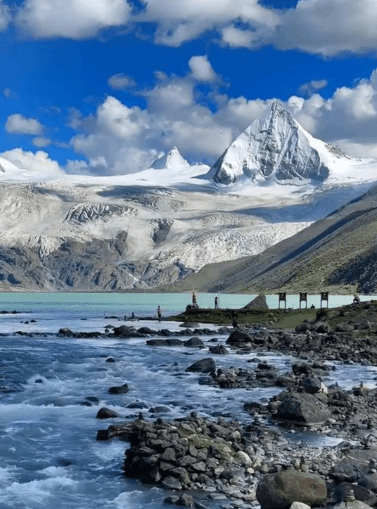
Tibet Packing List Checklist
Before departure, review your luggage once more:
- Base layers and comfortable everyday clothing
- Warm mid-layer
- Weather-appropriate outer layer
- Comfortable walking shoes
- Warm or extra socks
- サングラス
- Hat or cap
- Sunscreen
- Personal toiletries
- Regular medication and relevant documentation
- Mobile phone and charging cable
- Power bank
- Camera and accessories if needed
- Travel adapter where required
- Passport or applicable identification
- Travel and hotel confirmations
- Transport information
- Required travel documentation
- Offline copies of important information
The final list should be adjusted according to your season, itinerary, accommodation, planned activities, and personal needs.
Frequently Asked Questions
What should I pack for Tibet?
Start with versatile clothing layers, comfortable walking shoes, sun protection, toiletries, personal medication, electronics, and the documents required for your trip. Add specialist equipment only when your itinerary actually requires it.
What clothes should I wear in Tibet?
Layering is generally practical because temperatures can change during the day. Bring comfortable base layers, a warm mid-layer, and an outer layer suitable for the expected weather. Your final clothing choices should reflect the season and locations on your route.
What should I pack for Tibet in summer?
Pack lightweight daytime clothing together with a warm layer for cooler periods. Sunglasses, sunscreen, a hat, comfortable walking shoes, and a suitable waterproof layer may also be useful depending on your itinerary and travel dates.
What should I pack for Tibet in winter?
Winter travelers should prepare for colder conditions with thermal layers, warm clothing, an insulated outer layer, gloves, a hat, warm socks, and suitable footwear. Check current local weather forecasts before departure.
What shoes should I bring to Tibet?
Choose comfortable shoes that you have already worn. Walking shoes are generally suitable for city-based sightseeing, while more supportive footwear may be appropriate for an itinerary involving suitable outdoor routes.
Do I need special equipment for traveling in Tibet?
Most travelers do not need to pack large amounts of specialist equipment unless their itinerary includes specific outdoor activities. Focus first on clothing layers, footwear, sun protection, personal essentials, and required travel documents. Any specialist equipment should be based on the actual activity and current conditions.
最終的な感想
A useful Tibet packing list is not about bringing the largest possible amount of equipment. It is about preparing for the conditions you are actually likely to encounter.
Prioritize adaptable clothing, comfortable footwear, sun protection, personal essentials, important documents, and a few practical backup items. Then adjust the list for the season, route, accommodation, and activities you have chosen.
Most importantly, check current official travel information shortly before departure. Conditions, transportation, reservations, and local requirements can change, so a well-prepared trip combines a sensible packing list with up-to-date planning.
References