This Xi’an Travel Guide introduces Xi’an, the ancient capital of China and the eastern terminus of the Silk Road, as one of the country’s most important travel destinations. In this Xi’an Travel Guide, the Terracotta Army is highlighted as the main reason most international travelers visit Xi’an, and it is often referred to as the “Eighth Wonder of the World.” However, visiting the Terracotta Warriors requires more than just a ticket, and this Xi’an Travel Guide explains the history, location in Lintong District, transportation, and visitor information needed to plan your trip.
The Historical Significance of the Qin Dynasty Necropolis
The Terracotta Warriors are part of the Mausoleum of Qin Shi Huang, the first emperor of a unified China, and are a key highlight of any Xi’an Travel Guide. Built over 2,200 years ago, the site represents an important shift in Chinese burial practices, replacing human sacrifice with a symbolic “spirit army” designed to protect the emperor in the afterlife.
From an archaeological perspective, the Terracotta Warriors demonstrate one of the earliest examples of large-scale production in ancient China, as explained in this Xi’an Travel Guide. Research on the clay composition and more than 8,000 soldiers shows a systematic production method used in the creation of the Terracotta Warriors. Artisans used local loess soil fired at 900–1,000°C and then individually finished each figure with unique facial features, ranks, hairstyles, and footwear details.
Navigating the Museum of Qin Terracotta Warriors and Horses
The Terracotta Warriors Museum is located in Lintong District, about 40 kilometers east of downtown Xi’an, and is a key stop in any Xi’an Travel Guide itinerary.
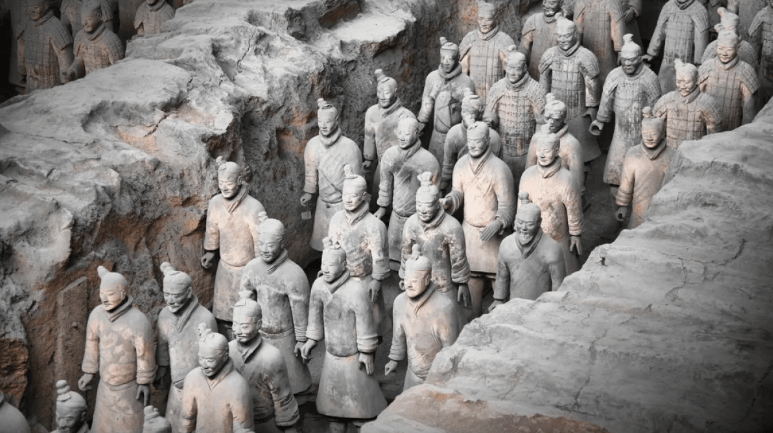
Comparative Overview of the Excavation Pits
| Feature | Pit 1 | Pit 2 | Pit 3 |
| Scale | Largest (approx. 14,000 sqm) | Medium (approx. 6,000 sqm) | Smallest (approx. 520 sqm) |
| Contents | Main infantry & chariot units | Cavalry, archers, and mixed forces | The Military Headquarters (Command Post) |
| Key Highlight | Over 6,000 soldiers in battle formation | Complex combat formations and “The Kneeling Archer” | High-ranking officers and ceremonial artifacts |
| Status | Fully excavated and restored sections | Ongoing excavation; highly technical | Most complete structural layout |
To optimize the visitor experience, seasoned travel consultants suggest a “reverse order” strategy. By starting with the smaller, more intimate Pit 3 and Pit 2, visitors can build their understanding of the military hierarchy and individual craftsmanship before experiencing the overwhelming scale of the main infantry in Pit 1.
Technical Logistics: Getting from Xi’an to Lintong
Getting to the Terracotta Warriors is an important part of planning a Xi’an Travel Guide itinerary for independent travelers. The site is about a 1-hour drive from downtown Xi’an, depending on traffic conditions on the G30 Lianhuo Expressway.
- Public Transportation: The specialized “Tourism Bus Line 5” (Bus 306) formerly departed from the Xi’an Railway Station. However, Metro Line 9 is now commonly used, connecting Xi’an city to Huaqing Pool Station, followed by a short taxi or shuttle ride to the Terracotta Warriors Museum.
- Private Transfers: For those operating on a tight schedule or requiring a higher degree of comfort, private transfers provide the flexibility to bypass the crowds that arrive with large tour groups between 10:00 AM and 2:00 PM.
- The Bronze Chariot Exhibition: Recently moved to a dedicated museum on-site, the two bronze chariots found near the burial mound represent the pinnacle of Qin-era metallurgy, featuring intricate gold and silver inlay that should not be missed.
Preservation and the “Oxygen Challenge”
One of the most frequent questions in any Xi’an travel guide is regarding the color of the warriors. When originally unearthed, the soldiers were coated in vibrant pigments—pinks, reds, greens, and blues. However, exposure to air in Xi’an caused the original lacquer and pigments to quickly fade and peel away.
Today, visitors will see mostly “clay-colored” soldiers. This is a conscious preservation choice. Chinese and German archaeologists have spent decades developing specialized chemicals to stabilize the moisture in the lacquer. Many figures remain buried intentionally, awaiting future breakthroughs in preservation technology that will allow them to be unearthed without losing their original brilliance.

Beyond the Warriors: Expanding Your Xi’an Itinerary
While the Terracotta Army is the crown jewel, a comprehensive Xi’an travel guide must acknowledge the city’s broader historical ecosystem. To truly grasp the scale of the Tang Dynasty—the golden age that followed the Qin—travelers should explore the following:
- The Ancient City Wall: One of the oldest and best-preserved Chinese city walls, offering a 13.7 km loop ideal for cycling.
- The Muslim Quarter: A sensory hub for Silk Road gastronomy, where the fusion of Middle Eastern and Chinese cultures is most evident in the street food.
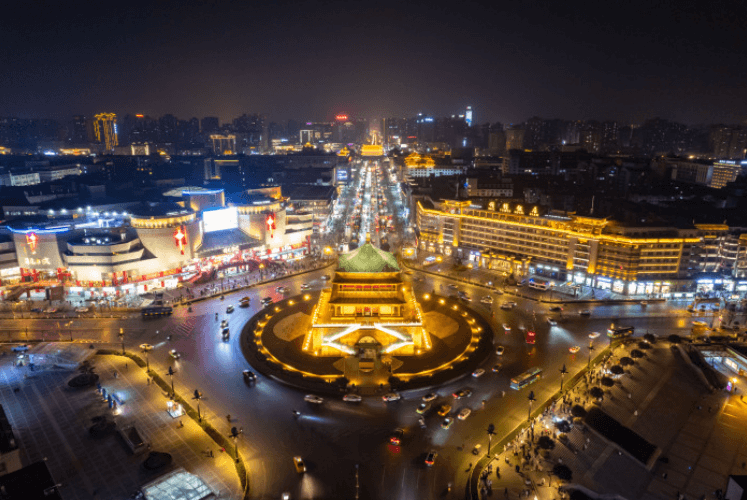
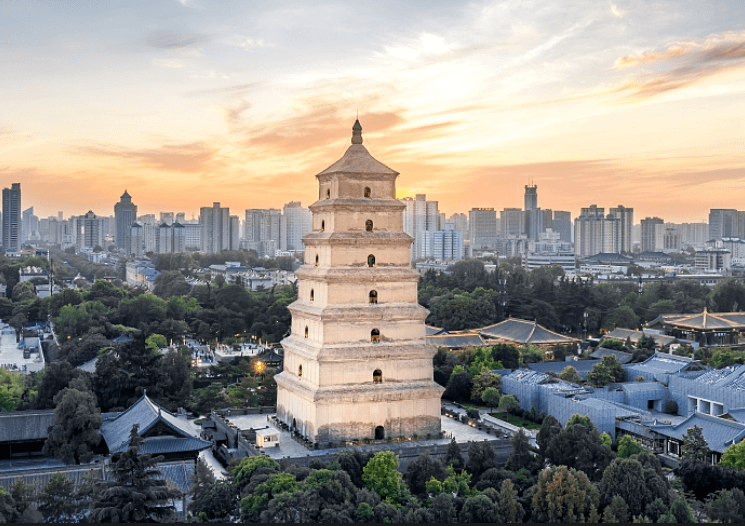
- The Giant Wild Goose Pagoda: A testament to the introduction of Buddhism to China and a masterpiece of Tang architecture.
For travelers seeking a curated experience that bridges the gap between historical education and logistical ease, specialized providers like those featured in the SinoTrip Xi’an Collection offer deep-dive itineraries. These programs often include expert-led tours that explain the nuances of the Qin military formation and the ongoing archaeological work that standard guides might overlook.
Strategic Planning for the Modern Traveler
To avoid the “tourist fatigue” associated with such a high-traffic site, consider these expert recommendations:
- Timing: Best Time to Visit the Terracotta Warriors: Arriving at 8:30 AM or after 3:30 PM is recommended in this Xi’an Travel Guide to avoid peak crowds. The “mid-day rush” is real and can significantly degrade the quality of the experience.
- Context First: Visit the Shaanxi History Museum in downtown Xi’an before heading to Lintong. It houses the “best of the best” artifacts from the region and provides the necessary historical framework.
- Stay in the City: While Lintong has luxury resorts (notably those near the Huaqing Hot Springs), staying within the Xi’an City Wall offers better access to evening activities and the vibrant local food scene.

자주 묻는 질문
What is the best time of year to visit the Terracotta Warriors?
The shoulder seasons—April to June and September to October—offer the most temperate weather. Xi’an can be extremely hot in the summer and biting cold in the winter. Avoid the “Golden Week” (first week of October) at all costs due to extreme crowds.
How much time should I allocate for the Terracotta Army?
A thorough visit to the three pits and the Bronze Chariot Museum typically takes 3 to 4 hours. If you include the commute from Xi’an, plan for a 6 to 7-hour round trip.
Is it necessary to hire a guide?
While the museum has English signage, the depth of the history and the subtle details of the excavation are best explained by a professional. A qualified guide can point out specific details, such as the unique tread on the soldiers’ shoes or the repair marks on reconstructed figures, that most visitors miss.
Can I take photos inside the pits?
Yes, photography is allowed, but flash is strictly prohibited to protect the remaining pigments and the integrity of the clay.
Are there still active excavations happening?
Yes. If you look closely at Pit 1, you will often see archaeologists and restoration experts working on-site. The process of piecing together a single warrior from fragments can take months or even years.
Reference Sources
- UNESCO World Heritage Centre: Mausoleum of the First Qin Emperor – Official documentation on the site’s historical and cultural significance.
- China National Tourist Office (CNTO): Cultural heritage reports on Xi’an and the Silk Road history.
- Journal of Archaeological Science: Research papers regarding the chemical composition and manufacturing techniques of the Qin Terracotta Army.
- Shaanxi Provincial Institute of Archaeology: Reports on the latest findings in the Lintong District and surrounding necropolis.