
Potala Palace Guide: History, Tickets & Travel Tips
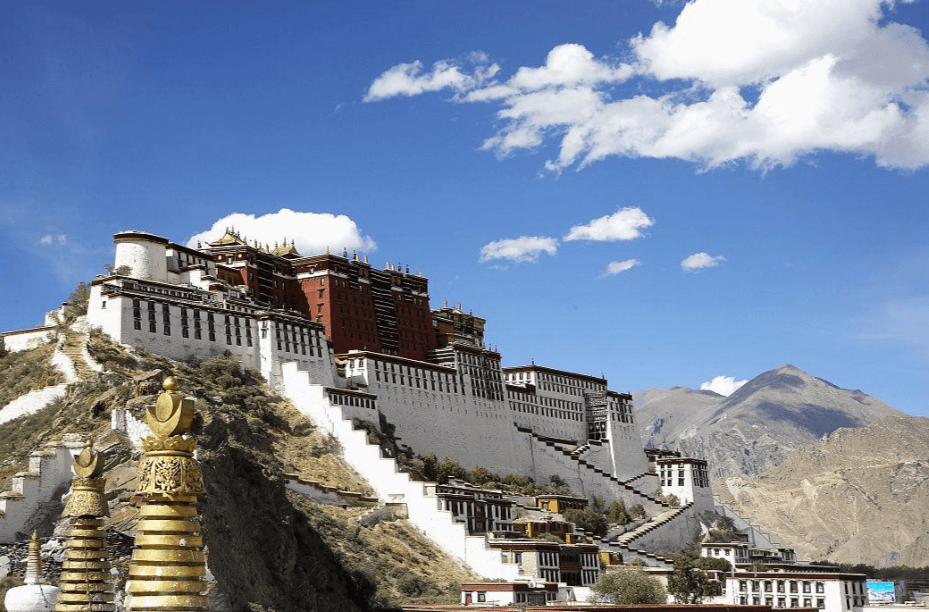
그리고 포탈라 궁전 is one of the most recognizable landmarks in Tibet and a major symbol of Lhasa. Built on Marpo Ri Hill, the palace is known for its white and red buildings, religious importance, historic artwork, and views over the city.
For visitors, however, seeing the Potala Palace is not simply a matter of arriving at the entrance. Tickets, visiting procedures, altitude, walking, and seasonal conditions can all affect the experience. This guide covers the main things to know before planning a visit.
What Is Potala Palace?
Potala Palace is a historic palace complex in Lhasa, Tibet. It developed into an important religious and political center and was closely associated with the Dalai Lamas.
The complex is commonly divided into the White Palace 그리고 Red Palace. The White Palace was used largely for administrative and residential purposes, while the Red Palace contains many important religious spaces, including chapels and stupas.
The historic ensemble of the Potala Palace, together with Jokhang Temple and Norbulingka, is listed as a UNESCO World Heritage property. UNESCO recognizes the site for its cultural, historical, architectural, and religious importance. [1]

A Brief History of Potala Palace
The history of the Potala Palace goes back much further than the present buildings.
An earlier palace was associated with Songtsen Gampo in the 7th century. Much of the palace complex visitors see today, however, dates from the 17th century, when the site was expanded under the Fifth Dalai Lama.
Over time, Potala Palace became an important center of Tibetan religious and political life. Its distinctive architecture combines large stone and timber structures with Tibetan Buddhist artistic traditions.
Today, the palace is protected as an important cultural heritage site and remains one of the most significant landmarks in Lhasa.
What Can You See Inside Potala Palace?
A visit is mainly about the palace’s architecture, religious spaces, historical objects, and artwork rather than a single attraction.
White Palace
The White Palace forms a large part of the complex and was historically associated with administrative and residential functions.
Its large halls, courtyards, stairways, and traditional Tibetan architectural details give visitors an idea of how the palace complex was organized.
Red Palace
The Red Palace is the religious heart of the complex. It contains numerous chapels and important Buddhist spaces.
The building’s exterior is especially distinctive because of its deep red color, which contrasts with the white sections of the palace.
Murals, Statues and Religious Art
The palace contains murals, statues, thangkas, religious objects, and other historic artworks.
Photography rules may apply inside different areas, so visitors should follow the instructions given at the site rather than assuming that photography is permitted everywhere.
Views Over Lhasa
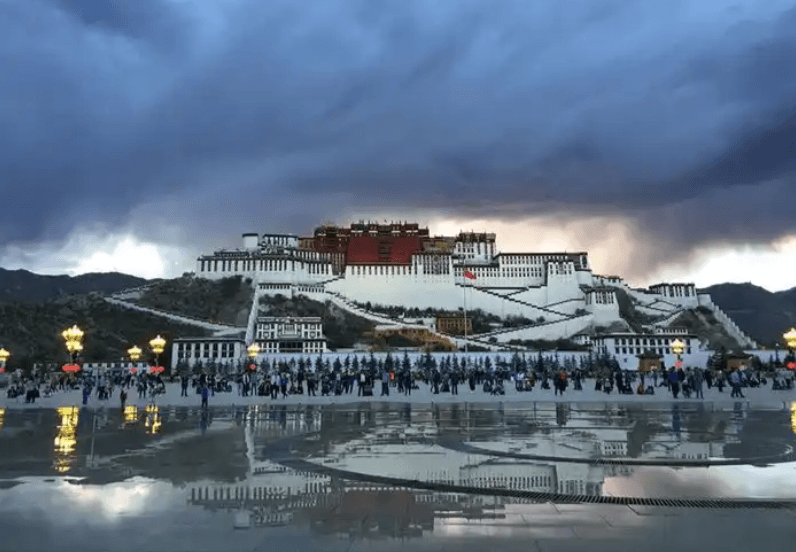
The palace’s position on Marpo Ri provides elevated views across Lhasa. The surrounding city and mountain landscape also make the exterior of Potala Palace an important part of the visit.
Potala Palace Tickets and Visiting Rules
Ticketing and visitor procedures should be checked before your trip because arrangements can change.
Depending on the current system, visitors may need to follow specific reservation, identification, entry-time, or ticketing requirements. Use official information when confirming:
-
Ticket availability
-
Reservation procedures
-
Opening and visiting hours
-
Identification requirements
-
Entry restrictions
-
Photography rules
-
Temporary closures or changes
Do not rely solely on information from older travel blogs. Procedures can change during peak travel periods, holidays, maintenance, or other special circumstances.
If you are arranging a wider Tibet trip, our Tibet Travel Guide 2026: Permits, Costs, Best Time & Complete Planning Tips provides additional information about trip planning and logistics.
How Long Does a Potala Palace Visit Take?
Allow several hours for the visit rather than treating Potala Palace as a quick photo stop.
The actual time depends on the visiting route, entry arrangements, walking pace, crowds, and how much time you spend looking at the architecture and religious artwork.
It is also worth remembering that the palace involves stairs and walking. A schedule that leaves some time before and after the visit is usually more practical than booking several demanding activities on the same day.
Potala Palace and High Altitude
Altitude is one of the most important practical considerations.
Lhasa is located at a high elevation, and visitors arriving from lower-altitude regions may need time to adjust. Walking and climbing stairs can feel more demanding than expected, particularly during the first days of a trip.
For this reason, avoid making Potala Palace your first high-intensity activity immediately after arrival. Give yourself time to acclimatize and keep the rest of the day’s schedule relatively light.
If you have concerns about how high altitude may affect you, seek appropriate medical advice before traveling.
How to Get to Potala Palace
Potala Palace is located in central Lhasa and is accessible from different parts of the city.
Depending on where you stay, you can generally use local transportation, a taxi or ride-hailing service where available, walk, or arrange transportation through a tour provider.
The best option depends largely on your hotel location and the entry arrangements for your visit. If you have a fixed entry time, allow extra time for traffic, security checks, and finding the correct entrance.
Best Time to Visit Potala Palace
Potala Palace can be visited in different seasons, but the experience varies with weather, tourism levels, and travel conditions.
Spring and autumn are often attractive for sightseeing because outdoor conditions can be comfortable. Summer can bring warmer weather and periods of rain, while winter is colder but may offer a quieter atmosphere.
Rather than choosing a season based only on weather, consider your wider Tibet itinerary, transportation arrangements, and altitude adjustment period.
Always check current visitor information before your trip.
What Should You Know Before Visiting?
A few simple preparations can make the visit easier.
Plan around your ticket time. If your entry is scheduled, do not build another time-sensitive activity immediately beforehand.
Wear comfortable shoes. The palace involves walking and stairs.
Allow time to acclimatize. Altitude can make even moderate physical activity feel harder.
Follow photography rules. Some interior areas may have restrictions.
Dress respectfully. Potala Palace is an important religious and cultural site.
Avoid rushing. The architecture and artwork are a major part of the experience.
Check current information. Opening arrangements, ticket procedures, and visitor restrictions can change.
How to Include Potala Palace in a Tibet Itinerary
For most visitors, Potala Palace works best as part of a wider Lhasa itinerary rather than as a standalone destination.
You can combine it with other major cultural sites in Lhasa, while keeping enough time for rest and acclimatization.
If you want to explore more of Tibet, you can also consider an itinerary connecting Lhasa with other destinations. Our Best Tibet Tours: How to Optimize Your Lhasa to Everest Base Camp Route provides another starting point for comparing longer routes.
The key is not to schedule too many demanding activities around the palace. A well-paced itinerary usually provides a better experience than trying to visit every major attraction in a short period.
자주 묻는 질문
Is Potala Palace worth visiting?
Yes. Potala Palace is particularly worthwhile for travelers interested in Tibetan history, Buddhist culture, architecture, and cultural heritage. Its location and distinctive architecture also make it one of the most recognizable sights in Lhasa.
How long should I spend at Potala Palace?
Allow several hours for the visit, including time for entry procedures, walking, stairs, and viewing the palace interiors. Your exact visit time will depend on the current visiting arrangements.
Do I need a ticket to visit Potala Palace?
Yes, visitors generally need to follow the site’s ticketing and entry procedures. Requirements can change, so check the latest official information before your visit.
Can foreign tourists visit Potala Palace?
Foreign visitors can visit Tibet subject to the applicable travel and entry requirements. Because Tibet travel regulations and permit arrangements can change, check the current requirements before booking your itinerary.
Is Potala Palace difficult to visit because of the altitude?
The altitude can make walking and climbing stairs more tiring, especially for travelers who have just arrived in Lhasa. Allow time for acclimatization and avoid planning an overly demanding schedule.
What is the difference between the White Palace and Red Palace?
The White Palace was mainly associated with administrative and residential functions, while the Red Palace is primarily a religious area containing important chapels and Buddhist spaces.
What other places can I visit in Lhasa?
Potala Palace can be combined with other cultural and historic sites in Lhasa, including Jokhang Temple and the surrounding historic areas. The best combination depends on your available time and current visiting arrangements.
References


