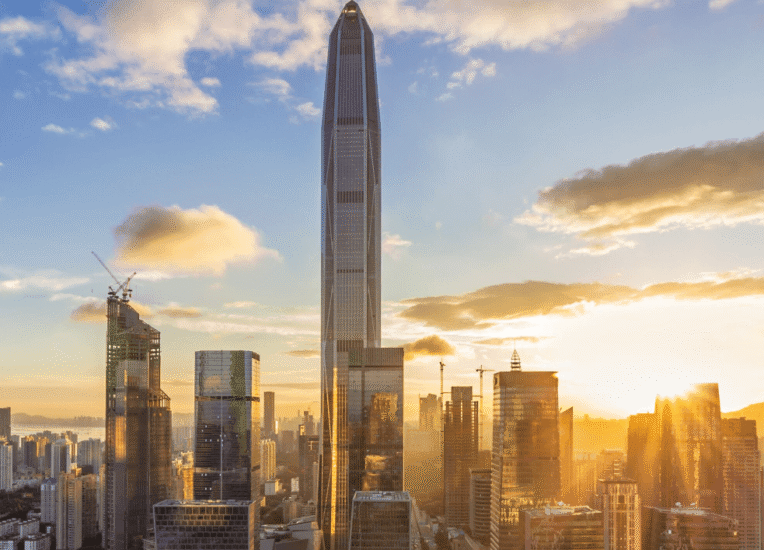
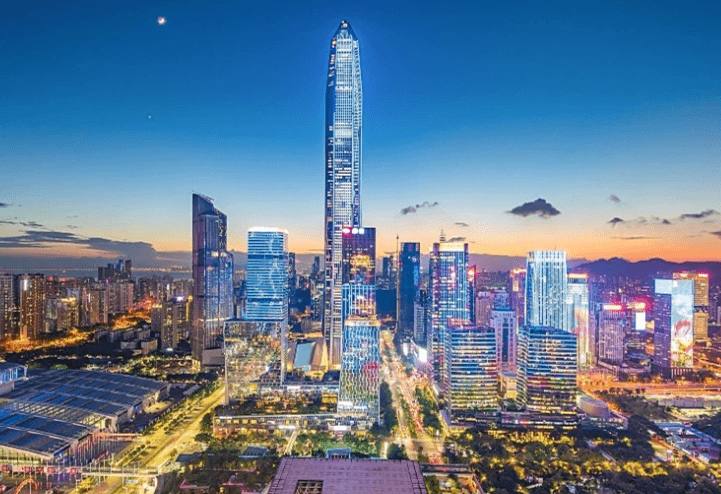
For decades, the global manufacturing community viewed Shenzhen as a satellite for low-cost production. Today, that narrative has shifted. Shenzhen has evolved into a tier-one megacity, often referred to as the “Silicon Valley of Hardware.” For engineers, project managers, and B2B consultants, a visit to this metropolis is less about traditional sightseeing and more about witnessing the most concentrated electronics supply chain on the planet.
This Shenzhen travel guide provides a technical and logistical roadmap for professionals looking to understand the city’s industrial architecture, from the skyscraper-dense CBD of Futian to the sprawling manufacturing clusters of Bao’an.
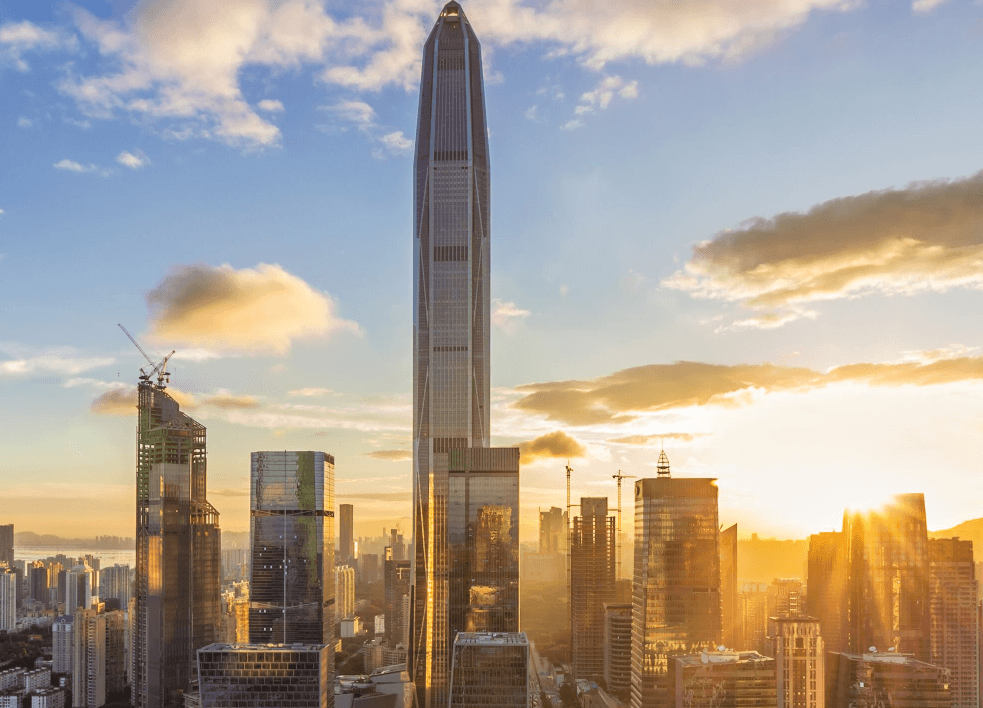
The Geography of Innovation: Understanding Shenzhen’s Districts
Navigating Shenzhen requires a strategic understanding of its administrative divisions. Unlike decentralized cities, Shenzhen’s districts are highly specialized, functioning as distinct nodes in a massive industrial network.
Nanshan District: The Tech Core
Nanshan is the high-tech heart of the city. It hosts the Science and Technology Park, home to giants like Tencent, DJI, and ZTE. For a tech-focused traveler, this district offers a glimpse into China’s R&D capabilities. The concentration of unicorn startups here is supported by proximity to Shenzhen University and various research institutes.
Futian District: Finance and Sourcing
Futian serves as the city’s administrative and financial center. It is also home to the world-famous Huaqiangbei electronics area. If your objective is to understand the “Logistics of Components,” Futian is your primary destination. It acts as the interface between global capital and local production.
Bao’an District: The Manufacturing Engine
Bao’an is where the physical “making” happens. Located near the Shenzhen Bao’an International Airport (SZX), this district contains thousands of factories specializing in everything from precision CNC machining to advanced SMT (Surface Mount Technology) lines. It is the logistics hub connecting the city to the world.
Huaqiangbei: Navigating the Global Electronics Mecca
No Shenzhen travel guide is complete without a deep dive into Huaqiangbei. Spanning several city blocks, this area is the world’s largest electronics sourcing hub. It is not a “shopping mall” in the traditional sense; it is a live-action catalog of the global electronics industry.
Walking through SEG Plaza or the Huaqiang Electronics World, you encounter stalls selling components at every stage of the lifecycle:
- Active Components: Microchips, resistors, and integrated circuits.
- Prototyping Tools: Open-source hardware, sensors, and development boards.
- Finished Goods: From the latest consumer drones to high-performance industrial automation sensors.
For an engineer, the value of Huaqiangbei lies in the speed of iteration. A prototype that might take weeks to source in North America or Europe can often be assembled here in a single afternoon. However, the environment is fast-paced. Technical terminology is the universal language here, and having clear specifications for your required tolerances or chip architectures is essential.
Logistics and Infrastructure for Professional Travelers
Shenzhen’s infrastructure is designed for high-volume movement. The city utilizes one of the most advanced electric public transport systems globally, including an exhaustive metro network that connects the primary industrial zones.
Connectivity and Transport
The Futian High-Speed Railway Station connects Shenzhen to Hong Kong in approximately 15 to 20 minutes. This makes the “Shenzhen-Hong Kong Dual-City” model highly effective for B2B professionals who manage logistics in the mainland while maintaining financial operations in Hong Kong.
For internal city travel, the metro is the most efficient method to avoid peak-hour surface congestion. If your itinerary involves visiting multiple factory sites in the outer districts like Longgang or Bao’an, private transfers are recommended to maintain a tight schedule. Specialized services, such as those found on Sinotrip’s Shenzhen city page, offer tailored day trips and airport transfers that cater specifically to the needs of professional visitors, ensuring efficient movement between the CBD and industrial outskirts.
The Special Economic Zone (SEZ) Legacy and Growth
Shenzhen’s success is rooted in its status as China’s first Special Economic Zone, established in 1980. This designation allowed for unprecedented market-led experimentation. Today, this manifests in a “Shenzhen Speed” culture.
The city’s growth is no longer just about scale; it is about quality and compliance. Many facilities now operate under ISO 9001 and ISO 14001 standards, focusing on sustainable manufacturing and advanced robotics. The transition from labor-intensive assembly to high-end OEM/ODM services is evident when you move from the older factory blocks to the newer, automated industrial parks.
Practical Tips for the Business-Minded Visitor
To maximize the value of your visit, consider the following professional insights:
- Digital Integration: Ensure you have a roaming data plan or a local SIM. Most business transactions and navigation in China rely on integrated mobile platforms. Apps like WeChat are ubiquitous for both communication and payments (WeChat Pay/Alipay).
- Trade Fair Alignment: Time your visit with major industry events such as the China Hi-Tech Fair (CHTF) or the CIOE (China International Optoelectronic Exposition). These events concentrate the city’s top-tier manufacturing talent into a single venue.
- Language and Translation: While the tech community increasingly speaks English, the deep-tier component markets often require translation apps or a local guide. Technical data sheets are your best communication tool.
Streamlining Your Professional Itinerary
Planning a visit to an innovation hub of this scale requires precision. Whether you are conducting a factory audit, sourcing components in Futian, or exploring R&D centers in Nanshan, the logistics of your trip will dictate your success.
Utilizing organized Shenzhen travel services can remove the friction of navigating a city of 17 million people. From airport pickups at Bao’an International to curated tours of the electronics markets, professional travel support allows you to focus on the technical objectives of your visit rather than the logistics of the commute.
常见问题
What is the best time of year to visit Shenzhen for business?
The ideal periods are from October to December and March to May. This avoids the extreme humidity and heat of the summer months and the disruption of the Lunar New Year holiday (usually in January or February), when most industrial activity ceases.
Do I need a visa to visit Shenzhen?
Most international visitors require a Chinese visa. However, a 5-day Shenzhen VOA (Visa on Arrival) is available at certain border crossings (like Luohu or Huanggang) for many nationalities, provided you remain within the Shenzhen city limits. Always check current regulations with the Chinese embassy.
How do I get from Hong Kong to Shenzhen?
The most efficient method is the High-Speed Rail from West Kowloon to Futian or Shenzhen North. Alternatively, the “MTR” via the East Rail Line to the Lo Wu or Lok Ma Chau stations is a reliable option for those crossing via the pedestrian borders.
Is Shenzhen safe for solo travelers?
Shenzhen is considered one of the safest cities in China. Like any major global hub, standard precautions apply, but violent crime is extremely rare. For business travelers, the biggest challenge is usually the language barrier rather than safety concerns.
Can I visit factories in Bao’an without an appointment?
Generally, no. Most professional manufacturing facilities require pre-arranged appointments and security clearance. If you are looking to browse without an appointment, the electronics markets in Huaqiangbei are the only “open” industrial areas.
Reference Sources
- Shenzhen Government Online: Official city statistics and district overviews
- IEEE Xplore: Research on Shenzhen’s role in the global electronics supply chain
- ISO Standards: Information on quality management systems in Chinese manufacturing
- China Council for the Promotion of International Trade (CCPIT): Updates on trade fairs and SEZ regulations