Embarking on a Hunan tour offers a journey into one of China’s most geographically dramatic and culturally rich provinces. Nestled in the south-central part of the country, Hunan, whose name literally means “south of the lake” (referring to Dongting Lake), is an area defined by stunning karst landscapes, ancient towns, and a fiercely proud history. This article serves as an essential, in-depth guide for potential travelers, providing valuable insights into the top destinations, unique cultural aspects, and practical tips to ensure your trip is both rewarding and memorable. We will explore how a Hunan tour caters to various interests, moving beyond the spectacular scenery to uncover the heart of this fascinating region.
Unveiling the Natural Majesty: The Awe-Inspiring Scenery of Hunan
The true soul of any Hunan tour often lies in its spectacular, world-renowned natural scenery. This province is a geological marvel, home to landscapes that defy imagination and have, in turn, inspired international cinema.

The Mystical Peaks of Zhangjiajie: A UNESCO Treasure
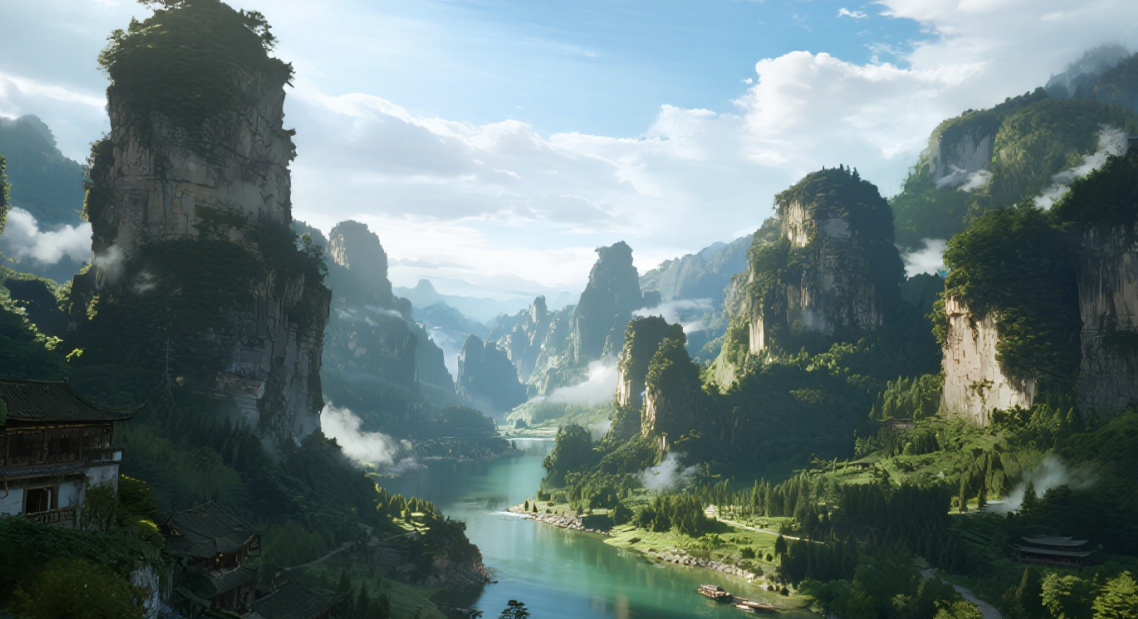
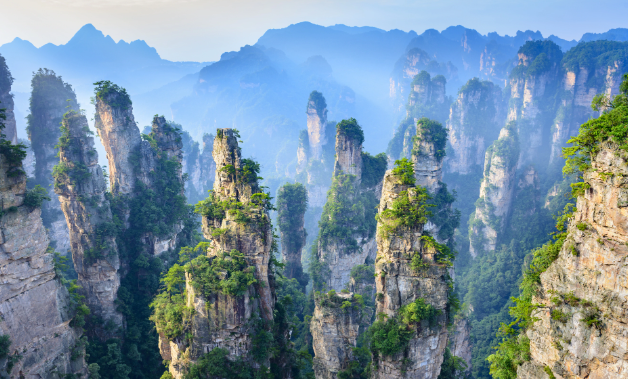
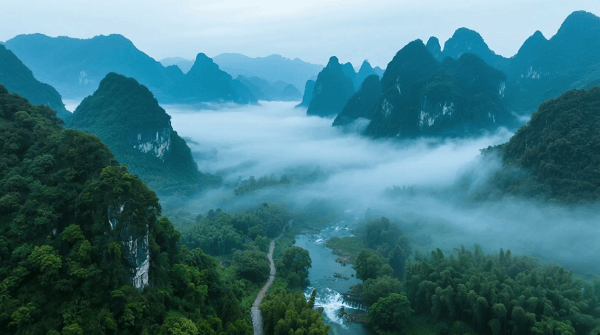
Zhangjiajie is, without question, the cornerstone of virtually every Hunan tour itinerary. The city is primarily known for the Wulingyuan Scenic and Historic Interest Area, a UNESCO World Heritage Site. This area contains the Zhangjiajie National Forest Park, famous for its towering quartz-sandstone pillars. These unique formations, often shrouded in mist, create an ethereal, floating effect, a visual wonder that famously served as inspiration for the “Hallelujah Mountains” in the film 頭像.
Exploring this area requires several days to fully appreciate its scale. Tourists often ascend to Yuanjiajie via the Bailong Elevator—a massive outdoor glass lift—to witness iconic spots like the Southern Sky Column. Furthermore, the Tianzi Mountain area offers panoramic views of the entire stone forest. To ensure a smooth experience, comfortable walking shoes and attention to the seasonal humidity are highly recommended. The sheer grandeur of these sandstone peaks is simply unforgettable, making this a pivotal destination on any Hunan tour.
The Thrills of Tianmen Mountain and the Glass Bridge
Just outside the National Forest Park, Tianmen Mountain National Forest Park provides a different, yet equally breathtaking, experience. Here, you can ride the world’s longest cable car—a mesmerizing journey of over seven kilometers—up to the summit. Attractions include the harrowing cliff-side Glass Skywalks, offering a thrilling test of courage, and the spectacular Tianmen Cave, a massive natural arch often referred to as ‘Heaven’s Gate.’ The 99-bend mountain road leading up to the cave is also an engineering marvel. These modern additions to the natural landscape highlight the diverse activities available during a Hunan tour.
Stepping Back in Time: History and Ancient Towns
A comprehensive Hunan tour must also delve into the region’s rich history, which spans imperial China, the scholarly Song Dynasty, and the nation’s modern revolutionary era.
Fenghuang Ancient Town: A Riverside Masterpiece
Travel to the west of the province, and you encounter Fenghuang (Phoenix) Ancient Town, often considered one of China’s most beautiful old cities. Situated on the Tuojiang River, the town is characterized by its well-preserved traditional stilt houses (Diaojiaolou) perched precariously above the water. A slow boat ride along the river at dusk is a particularly enchanting experience, with the town’s lights reflecting on the dark water. The architecture here showcases the history of the Miao and Tujia ethnic minorities. Fenghuang offers a tranquil contrast to the dramatic landscapes of Zhangjiajie, providing a deep sense of historical continuity to your Hunan tour.
The Historical and Cultural Hub of Changsha
Changsha, the bustling provincial capital, acts as the primary gateway for most travelers beginning a Hunan tour. More than just a transport hub, the city is a repository of Chinese history and culture. Key sites include the 湖南 Provincial Museum, which houses the incredible artifacts from the Mawangdui Han Tombs, providing a vivid glimpse into the life of the Han Dynasty nobility over 2,000 years ago.
Furthermore, Yuelu Academy, situated on Mount Yuelu, is one of the four most famous ancient academic institutions in China, dating back over a thousand years. It symbolizes Hunan’s long-standing dedication to scholarship. For those interested in modern history, Changsha also offers sights related to the early life of Mao Zedong, who was born nearby in Shaoshan. The city successfully blends modernity with ancient roots, adding a crucial layer of historical depth to the travel experience.
Immersing in Local Culture and Cuisine
The cultural experiences on a Hunan tour are as distinct and vibrant as the scenery itself. The province is home to numerous ethnic minority groups, whose unique traditions and distinctive cuisine add color and flavor to the journey.
The Spice of Life: Hunan Cuisine
No discussion of Hunan tour is complete without mentioning its food. Hunan cuisine, or Xiang cuisine, is celebrated internationally and is one of the Eight Great Cuisines of China. It is famous for its dry spiciness, contrasting with the numbing spice of Sichuan cuisine. Dishes like Duo Jiao Yu Tou (steamed fish head with chopped chili) and spicy preserved meat are essential to sample. This bold, intense flavor profile is a direct reflection of the local character and the climate, offering a warming, unforgettable culinary experience. Finding authentic local eateries, especially around Changsha’s Pozi Street, is highly encouraged for an immersive taste of the region.
Ethnic Minority Heritage: Miao and Tujia
The western regions of Hunan, particularly around Fenghuang and the Xiangxi Tujia and Miao Autonomous Prefecture, are rich in the cultural heritage of the Miao and Tujia people. These communities maintain unique architectural styles, notably the stilt houses, and vibrant folk customs, including colorful traditional clothing and local handicrafts. Attending a traditional performance or visiting a local village, like Dehang Miao Village, can provide valuable insight into their way of life, enriching the cultural value of your Hunan tour.
Practical Application and Planning Your Hunan Tour
For prospective visitors, successful planning is crucial. The optimal time for a Hunan tour is generally during the spring (April to June) or autumn (September to November), when the weather is most pleasant, avoiding the intense heat and heavy rain of summer or the chill of winter.
Transportation within the province has been significantly improved by China’s extensive high-speed rail network, connecting Changsha to Zhangjiajie and other major cities efficiently. While Changsha is served by an international airport, Zhangjiajie also has a regional airport, simplifying arrival and departure logistics.
Many travelers choose guided tours, especially for navigating the vast and complex terrain of Zhangjiajie National Forest Park, where local expertise can save significant time and confusion. Alternatively, independent travel is feasible, but requires careful pre-planning regarding bus schedules and ticket purchases for the various scenic areas. Regardless of the chosen method, embracing the local warmth and hospitality will make the Hunan tour truly special.
總結
In summation, is a Hunan tour the ultimate Chinese adventure for nature and culture enthusiasts? The answer is a resounding yes. From the surreal, pillar-filled landscape of Zhangjiajie, which appears lifted straight from a fantasy epic, to the quiet, historical beauty of Fenghuang Ancient Town, and the spicy, dynamic energy of Changsha, Hunan offers a comprehensive and deeply engaging travel experience. It is a province that challenges, delights, and satisfies those seeking both natural wonders and profound cultural immersion. This journey promises not just sights, but genuinely transformative experiences, leaving a lasting impression on every visitor.
FAQ on Planning Your Hunan Tour
Q: What is the single most essential site to visit on a first-time Hunan tour?
A: The Zhangjiajie National Forest Park (part of the Wulingyuan Scenic Area) is the most iconic and essential destination. Its unique quartz-sandstone pillars are the very definition of a Hunan tour and are considered a global natural wonder.
Q: Is the food in Hunan Province too spicy for most visitors?
A: Hunan cuisine is famously spicy, known for its fresh chili and strong flavors, particularly dry heat. While it can be intense, many restaurants can adjust the spice level upon request, and non-spicy options are also available, especially in larger cities like Changsha.
Q: How many days are typically needed for a comprehensive Hunan tour?
A: A solid itinerary covering the key highlights—Zhangjiajie (3-4 days), Fenghuang Ancient Town (1-2 days), and Changsha (1-2 days)—would typically require between 7 to 8 days to experience comfortably without feeling rushed.
Q: Is it better to book an organized tour or travel independently in Hunan?
A: Both options are viable. An organized Hunan tour simplifies complex logistics in places like Zhangjiajie. Independent travel offers greater flexibility, but visitors should be prepared for potential language barriers and detailed itinerary planning, especially for inter-city transportation.