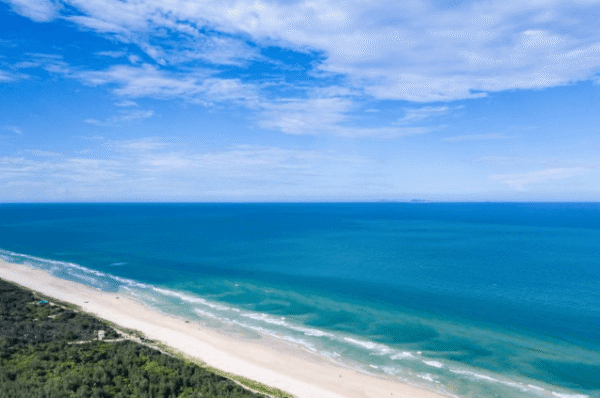
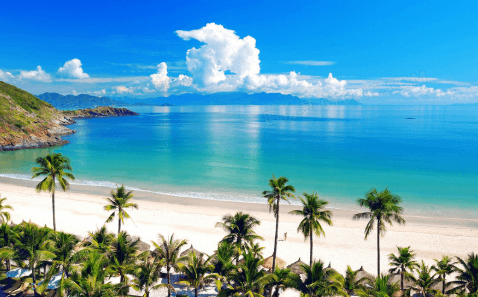
Hainan Island features over 1,900 kilometers of coastline along the South China Sea. Positioned near 18 degrees north latitude, the island shares a climatic profile with Hawaii and Bali. This geographical positioning results in year-round tropical weather and distinct coastal ecosystems.
Understanding the topography of Hainan beaches is essential for proper travel planning. Not all bays offer swimmable waters or fine sand. Some coastlines feature strong undercurrents, while others boast shallow, pristine waters ideal for snorkeling.
Evaluating a bay requires looking beyond standard tourism brochures. You must analyze water transparency, coastal infrastructure, and seasonal weather patterns. This guide provides an objective breakdown of the primary beach zones across Hainan.
What Defines the Geography of Hainan Beaches?
The southern coast of Hainan is the epicenter of the island’s beach tourism. The coastline here is fragmented into several distinct crescent-shaped bays. Each bay possesses unique geological and hydrological characteristics.
Water clarity in Hainan fluctuates based on the specific location and seasonal monsoon patterns. Bays sheltered from direct open-ocean swells typically maintain higher visibility. Conversely, exposed coastlines experience more wave action, which stirs up sediment and reduces water transparency.
Key factors that differentiate the beaches include:
- Sand Composition: Ranging from fine white quartz to coarser golden grains.
- Wave Energy: Protected coves versus open breaks suitable for surfing.
- Urban Proximity: Beaches adjacent to city centers versus isolated nature reserves.
- Reef Systems: The presence of nearby coral structures affects marine life visibility.
Evaluating the Major Bays: A Coastal Comparison
Selecting the correct destination requires matching the bay’s physical characteristics with your travel intent. The following breakdown highlights the four primary coastal zones in southern Hainan.
Yalong Bay (The Premier Swimming Coast)
Yalong Bay consistently ranks as the highest-quality beach for water activities. The sand here is remarkably fine and pale. Water visibility often exceeds eight meters during the dry season.
The bay is naturally sheltered, resulting in minimal wave energy and high water safety. The seabed slopes gradually, making it ideal for swimming and beginner water sports. Infrastructure is highly developed, featuring long-established international hotel brands.
Haitang Bay (Luxury Infrastructure and Strong Waves)
Haitang Bay offers an entirely different coastal environment. The beach is expansive, with golden, slightly coarser sand. However, the water dynamics are fundamentally different from Yalong Bay.
This stretch of coastline faces the open ocean without natural barriers. The resulting undercurrents and rip tides make ocean swimming strictly prohibited. Instead, the area focuses on mega-resorts, luxury shopping, and extensive artificial pool complexes.
Sanya Bay (Urban Accessibility and Sunsets)
Sanya Bay stretches for 22 kilometers directly adjacent to downtown Sanya. It offers the most accessible coastal experience. The sand here is greyish, and the water is less transparent due to urban runoff and river mouths.
Despite lower water clarity, the beach provides an authentic local atmosphere. It features a prominent coconut tree corridor along the promenade. The western orientation makes this bay the premier location for sunset viewing.
Riyue Bay and Houhai (The Surfing Hubs)
For consistent wave action, travelers look to the eastern coastlines. Riyue Bay and Houhai Village have developed into China’s primary surfing epicenters. The coastal shelf here drops off more sharply, generating reliable swell year-round.
The sand is less refined, and rocky reef breaks are common. These areas cater to a specific demographic focused on water sports rather than traditional resort lounging.

Hainan Beach Characteristics Overview
| Coastal Zone | Sand Quality | Water Safety | Primary Infrastructure |
| Yalong Bay | Fine / White | High (Swimmable) | Established Resorts |
| Haitang Bay | Medium / Golden | Low (Strong Currents) | Luxury Mega-Resorts |
| Sanya Bay | Coarse / Grey | Medium (Shallow) | Urban / Budget-Friendly |
| Riyue Bay | Coarse / Rocky | Low (Surfing Only) | Surf Camps / Hostels |
How Seasonality Impacts Coastal Conditions
Hainan experiences a tropical monsoon climate. This creates two distinct seasons that dramatically affect beach conditions. The dry season runs from November to April.
During these months, humidity drops and water visibility reaches its peak. Ocean conditions remain relatively calm. This is the optimal window for snorkeling and coastal exploration.
The wet season occurs from May to October. Summer monsoons bring heavy rainfall and increased wind speeds. Typhoons can strike the island during late summer, causing severe coastal erosion and halting marine activities.
Travelers should monitor meteorological data closely during the wet season. High winds also alter wave patterns, which may benefit surfers but hinder standard beachgoing.
Navigating Coastal Attractions and Itinerary Planning
Integrating natural attractions with your beach selection maximizes your itinerary. Certain landmarks offer unique geographical perspectives of the coast. For instance, the Luhuitou Scenic Area provides panoramic, elevated views over Sanya Bay and the surrounding peninsulas.
Further west, Tianya Haijiao showcases a rugged coastline defined by massive granite boulders. It presents a stark contrast to the flat sandy stretches of the main resort areas. This location highlights the diverse geology of the island’s edge.
For visitors prioritizing high-end entertainment over ocean swimming, Haitang Bay hosts the Sanya Atlantis Resort. This facility features a massive water park and marine aquarium, compensating for the unswimmable ocean conditions.
When planning a complex itinerary, many travelers utilize platforms like SinoTrip. Custom travel packages can streamline logistics between these geographically dispersed bays. Coordinating transport between isolated areas like Luhuitou and Haitang Bay ensures efficient use of your travel schedule.

FAQ
What is the average water temperature at Hainan beaches?
The sea surface temperature remains comfortable year-round. In the winter months (January to February), water temperatures hover around 22°C to 24°C. During the summer, the ocean warms up to approximately 28°C to 30°C.
Is ocean swimming permitted in Haitang Bay?
No, ocean swimming is strictly banned along the entire stretch of Haitang Bay. The coastline is exposed to the open sea, resulting in dangerous rip currents and unpredictable wave action. Visitors must use the pools within their respective resorts.
Which Hainan bay has the highest water clarity?
Yalong Bay generally offers the best water transparency on the mainland. During calm weather in the dry season, visibility can reach up to 10 meters. For even higher clarity, travelers must take a ferry to offshore locations like Wuzhizhou Island.
When is the optimal time to visit for clear beach conditions?
The most stable coastal conditions occur between November and March. During this period, rainfall is minimal, and the ocean is calm. This provides the best environment for beach lounging, swimming, and underwater photography.
Reference Sources
- China Meteorological Administration (CMA): Historical climate data and tropical cyclone tracking for the South China Sea and Hainan Province.
- Sanya Tourism Board: Official guidelines regarding coastal safety, swimming restrictions, and infrastructure development across southern Hainan bays.
- National Marine Data and Information Service (NMDIS): Sea surface temperature profiles and hydrological reports for the South China Sea coastal regions.
- SinoTrip Destination Guides: Geographical overviews and logistical planning resources for Hainan travel packages and scenic area access.