

China is increasingly attracting international visitors who combine travel with healthcare, health checkups, wellness services, or consultations with medical specialists. For some travelers, the appeal is access to a wide range of hospitals and medical services in major cities. For others, traditional Chinese medicine, health screening, or the opportunity to combine treatment with a longer stay in China may be the main reason for the trip.
However, planning medical tourism in China requires more than choosing a hospital and booking a flight. International travelers should consider the type of medical institution, language support, appointment procedures, insurance, payment methods, travel documents, and recovery arrangements before making a decision.
This guide explains what international travelers should know when considering medical travel to China and how to plan a healthcare-focused trip more carefully.
What Is Medical Tourism in China?
Medical tourism in China generally refers to traveling to China to receive medical, dental, health-screening, wellness, or traditional Chinese medicine services.
The concept can cover different types of visits, including:
- General health checkups and preventive screening
- Dental consultations and treatment
- Specialist consultations
- Elective medical procedures
- Rehabilitation and wellness services
- Traditional Chinese medicine (TCM)
- Certain aesthetic and cosmetic services
- Follow-up consultations arranged with hospitals or clinics
China has a large healthcare system that includes public hospitals, private medical institutions, specialist hospitals, clinics, and international medical departments. The official National Health Commission notes that China’s medical system primarily includes public and private hospitals, while some hospitals and clinics specifically provide services for foreigners.
For international travelers, the most suitable option depends on the purpose of the trip, required specialty, preferred language, budget, insurance coverage, and expected length of stay.
Why Do International Travelers Consider Medical Tourism in China?
There is no single reason why someone chooses China for healthcare. Different travelers have different priorities.
1. A Broad Range of Medical Institutions
Major Chinese cities have large public hospitals, private hospitals, specialist institutions, and international medical departments.
For example, Beijing provides a range of medical institutions offering services in foreign languages. The Beijing municipal government currently maintains an official guide listing hospitals and medical institutions that provide full-process foreign-language services for international patients.
This can give international visitors more options when comparing hospitals and services.
2. Health Checkups and Preventive Care
Health screening can be another reason international visitors explore medical services in China.
Some hospitals and medical centers offer packages covering areas such as blood tests, imaging, cardiovascular screening, and other examinations. The exact contents vary considerably between institutions, so travelers should compare the examination items rather than choosing a package based only on its price.
If you are traveling specifically for a health checkup, confirm:
- What tests are included
- Whether fasting is required
- Whether reports are available in English
- How long the examination takes
- Whether results can be delivered digitally
- Whether follow-up consultation is available
3. Traditional Chinese Medicine
Traditional Chinese medicine is another area that may interest international visitors.
Depending on the institution and local regulations, travelers may encounter services such as acupuncture, herbal medicine, tuina, and other TCM-related approaches.
Visitors interested in TCM should still discuss their existing medications, allergies, and medical conditions with qualified professionals. TCM services should not automatically be treated as a substitute for medically necessary conventional care.
4. Combining Healthcare With a China Trip
One practical advantage for some travelers is the possibility of combining a healthcare appointment with tourism.
For example, an international visitor may spend several days in Peking, Shanghai, Guangzhou, or another major city, attend medical appointments during the trip, and reserve additional time for sightseeing.
However, medical treatment should remain the priority when recovery time or follow-up appointments are involved. A packed sightseeing itinerary may not be appropriate after certain procedures.
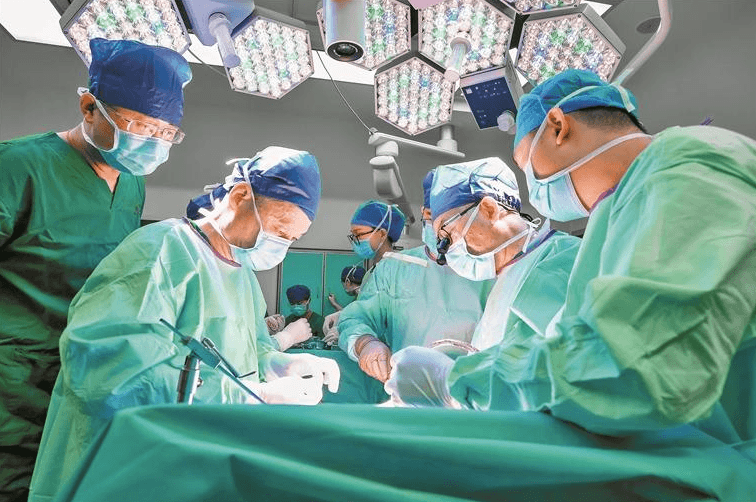
What Types of Hospitals Can Foreigners Use in China?
International travelers may encounter several types of healthcare providers.
Public Hospitals
Public hospitals form a major part of China’s healthcare system and provide a broad range of medical specialties.
Many public hospitals also have international or VIP departments designed to provide additional services for international patients. The National Health Commission’s guidance notes that foreigners can receive treatment at public hospitals and that some hospitals provide services specifically for foreign patients.
Public hospitals can be suitable when a traveler needs access to a particular medical specialty or wants to consult a large hospital with extensive clinical resources.
However, the patient experience may differ from what travelers are accustomed to in their home countries. Appointment systems, registration, waiting procedures, payment, and communication can require additional preparation.
Private and International Hospitals
Private hospitals and international medical institutions may be attractive to travelers who prioritize:
- English or multilingual communication
- Appointment-based services
- International patient support
- More familiar service processes
- Private facilities
These services can cost more than standard public-hospital services, so travelers should request a clear estimate before treatment.
The National Health Commission notes that some foreign-run and joint-venture medical institutions provide international staff and foreign-language services, but costs can be substantially higher than at public hospitals.
International Medical Departments
An international department within a public hospital can offer a middle option.
For example, Beijing’s official guide lists international services at institutions including Peking Union Medical College Hospital, China-Japan Friendship Hospital, Beijing Friendship Hospital, Beijing Tiantan Hospital, and other facilities.
These departments may provide foreign-language assistance and procedures designed for international patients, although the exact services vary by hospital.
How Can Foreigners See a Doctor in China?
The exact process depends on the hospital and city, but international travelers should generally prepare for several steps.
Step 1: Identify the Appropriate Hospital
Start with the medical specialty you need rather than simply searching for the most famous hospital.
Consider:
- Specialty
- Doctor availability
- International patient services
- Language support
- Location
- Appointment availability
- Estimated cost
- Insurance arrangements
If you need specialist care, contact the hospital’s international department before traveling whenever possible.
Step 2: Confirm the Appointment
Many hospitals provide online or telephone appointment systems.
Shanghai’s official government guide, for example, explains that patients can register through hospital appointment services and should bring identification such as a passport when visiting a local hospital.
International travelers should confirm the appointment directly with the hospital rather than relying solely on third-party information.
Step 3: Prepare Your Documents
Depending on the appointment, you may need:
- Passport
- Previous medical records
- Imaging or laboratory results
- Medication list
- Prescription information
- Allergy information
- Insurance documents
- Doctor’s referral, if required
Keeping important medical records in English can make communication easier.
Step 4: Complete Registration and Consultation
The process can involve registration, payment, consultation, examination, testing, and follow-up.
The exact procedure differs between hospitals. Some international medical centers provide a more streamlined process, while public hospitals may require patients to complete several separate steps.
Step 5: Arrange Follow-Up Care
If the treatment involves more than one appointment, ask the hospital about:
- Follow-up schedule
- Medication
- Test results
- Recovery period
- Remote follow-up options
- Medical records for your doctor at home
This is particularly important if you plan to return home shortly after treatment.
How Much Does Medical Tourism in China Cost?
There is no single price for medical tourism in China.
Medical costs vary according to:
- Hospital type
- Medical specialty
- Doctor
- Treatment method
- Diagnostic tests
- Medication
- Room type
- Stadt
- International service fees
- Insurance coverage
Public hospitals may have different pricing structures from private or international hospitals. The official National Health Commission notes that foreign patients can receive treatment at public hospitals, while some international institutions may charge substantially more.
For this reason, avoid choosing a hospital based only on a headline price.
Before confirming treatment, ask for an estimate covering:
- Consultation
- Diagnostic tests
- Treatment or procedure
- Medication
- Hospitalization, if required
- Follow-up appointments
- Translation or international service fees, if applicable
A written estimate can make it easier to compare different providers.
Does Travel Insurance Cover Medical Treatment in China?
Travel insurance and medical insurance are not necessarily the same thing.
A standard travel insurance policy may cover certain unexpected medical emergencies while traveling, but it may exclude planned treatment or elective procedures.
If you are traveling to China specifically for medical care, check your policy carefully before departure.
Ask your insurer:
- Is planned medical treatment covered?
- Is treatment overseas covered?
- Is hospitalization covered?
- Is emergency evacuation included?
- Do I need pre-authorization?
- Can the hospital bill the insurer directly?
- What documentation is required?
Some international medical institutions have direct-billing arrangements with commercial insurers. Beijing’s official international medical guide notes that certain international patients with eligible commercial health insurance may use direct billing when their insurer has an agreement with the medical institution.
Do not assume that your existing insurance automatically covers medical tourism.
Language and Communication for International Patients
Language can be one of the most important considerations when choosing a medical provider.
Some hospitals and international medical departments provide English or other foreign-language services. Beijing, for example, publishes an official list of medical institutions offering full-process foreign-language services to international patients.
Before booking, confirm whether language support is available for:
- Appointment booking
- Registration
- Doctor consultation
- Medical reports
- Payment
- Pharmacy services
- Follow-up care
If your medical situation is complex, professional interpretation may be preferable to relying on informal translation.
Which Chinese Cities Are Worth Considering for Medical Tourism?
The best city depends on the medical service you need and your travel plans.
Peking
Beijing is one of the strongest options for international visitors looking for a wide selection of major hospitals and specialist services.
The city government provides an English-language medical guide for foreigners, including information about international medical departments, appointment procedures, payment methods, and emergency services.
Beijing can also work well for travelers who want to combine medical appointments with historical and cultural attractions.
Shanghai
Shanghai offers a large selection of public hospitals, private healthcare providers, and international medical services.
The Shanghai government maintains an official directory of international medical services and provides practical information for overseas visitors seeking healthcare.
The city may be particularly convenient for travelers who prefer a highly international urban environment.
Guangzhou
Guangzhou is another major healthcare center in southern China and can be considered by travelers visiting Guangdong or nearby destinations.
Its location also makes it practical to combine healthcare-related travel with a wider South China itinerary.
Hainan
Hainan is worth considering for travelers interested in combining healthcare, wellness, and tourism.
China’s National Immigration Administration states that eligible ordinary passport holders from 59 countries can enter Hainan visa-free for up to 30 days for purposes including tourism, business, family visits, and medical treatment, subject to the applicable conditions.
Because immigration policies can change, travelers should verify the latest requirements with China’s official immigration authorities before booking.
Medical Tourism and Travel Planning: What Should You Consider?
If your trip involves planned medical care, your itinerary should be more flexible than a normal sightseeing trip.
Allow Extra Time
Do not schedule a major medical appointment immediately before a long flight or a full day of sightseeing.
Allow additional time for:
- Consultation
- Tests
- Delays
- Follow-up appointments
- Recovery
- Unexpected changes
Choose Accommodation Carefully
If you may need several appointments, staying close to the hospital can be more convenient than choosing a hotel based only on sightseeing location.
Consider:
- Distance from the hospital
- Elevator access
- Quiet environment
- Food options
- Transportation
- Length of stay
Keep Medical and Travel Plans Flexible
A sightseeing itinerary can be changed more easily than a medical schedule.
If your treatment requires recovery, prioritize your health and allow your itinerary to adapt.

Is China Medical Tourism Right for You?
Medical tourism in China may be worth exploring if you are looking for a combination of healthcare services and international travel and have identified a suitable medical provider.
It may be particularly relevant for travelers interested in:
- Health checkups
- Specialist consultations
- Dental services
- Traditional Chinese medicine
- Wellness experiences
- Planned medical treatment
- Access to major hospitals in Chinese cities
However, traveling abroad for medical treatment also introduces additional considerations, including language, insurance, follow-up care, travel restrictions, and the difficulty of managing complications away from home.
The right decision depends on your individual medical needs and should be discussed with qualified healthcare professionals.
A Practical Checklist Before Traveling to China for Medical Care
Before booking your trip, consider the following checklist:
Medical preparation
- Identify the appropriate specialty
- Research several suitable medical institutions
- Contact the hospital’s international department
- Confirm doctor availability
- Prepare medical records
- List current medications and allergies
Financial preparation
- Request a treatment estimate
- Confirm payment methods
- Check insurance coverage
- Ask about direct billing
- Prepare an emergency budget
Travel preparation
- Check current Chinese entry requirements
- Confirm visa or visa-free eligibility
- Choose accommodation near the hospital when appropriate
- Leave enough time for recovery
- Arrange transportation
Communication
- Confirm language support
- Prepare important medical information in English
- Save the hospital’s contact details
- Keep digital and printed copies of important documents
Abschließende Überlegungen
Medical tourism in China covers a wide range of possibilities, from health checkups and specialist consultations to traditional Chinese medicine and planned medical services.
For international travelers, the most important step is not simply finding a low price or a well-known hospital. It is finding a medical provider that matches your healthcare needs, communication requirements, budget, insurance arrangements, and travel schedule.
Major cities such as Beijing and Shanghai provide established options for international patients, while other destinations may be worth considering depending on the medical service and travel itinerary.
If you are planning a China trip that combines healthcare with sightseeing, build your itinerary around your medical schedule rather than treating medical appointments as an afterthought. Careful preparation can make the experience more manageable and leave you with enough time to explore China at a comfortable pace.
For the latest hospital procedures, medical requirements, entry policies, and insurance arrangements, always verify information with the relevant hospital, insurer, and official Chinese authorities before traveling.
References
- National Health Commission of the People’s Republic of China — Hospitals in China
China National Health Commission – Hospitals in China - Beijing Municipal Government — Medical Guide for Foreigners
Beijing Government – Medical Guide for Foreigners - Beijing Municipal Government — International Medical Services
Beijing Government – International Medical Services - Shanghai Municipal Government — International Medical Services
Shanghai Government – International Medical Services - Shanghai Municipal Government — Healthcare and Medical Services for Individuals
Shanghai Government – Healthcare and Medical Services - National Immigration Administration of China — Regional Visa-Free Entry Policies
China National Immigration Administration – Visa-Free Entry Policies - World Health Organization (WHO) — China Country Profile
WHO – China Country Profile


