.png)
Tibet sits on the world’s highest plateau, averaging over 4,500 meters above sea level. For travelers, that means every Tibet tour is part adventure, part spiritual journey, and part logistical puzzle. The right tour turns altitude challenges into unforgettable rewards — golden sunsets over Everest Base Camp, turquoise waters at Namtso Lake, and the quiet devotion of pilgrims circling Jokhang Temple. The wrong tour leaves you gasping for air in a rushed itinerary with no time to adjust.
This guide breaks down what separates the best Tibet tours from the rest. We’ll compare popular routes, explain seasonal timing, and help you match a tour to your travel style, fitness level, and interests.
What Makes a Great Tibet Tour?
Not all Tibet tours are created equal. A well-designed tour balances three things that matter at high altitude:
- Acclimatization time: Quality itineraries build in 2–3 full days in Lhasa (3,650m) before climbing higher. Rushing to Everest Base Camp (5,200m) on day two is a recipe for altitude sickness.
- Permit handling: Every foreign traveler needs a Tibet Travel Permit (TTP), issued by the Tibet Tourism Bureau. Only licensed agencies can arrange it. The best tours handle this seamlessly — you send passport copies, they do the rest.
- Guide quality: Independent travel is not permitted for foreigners in Tibet. A knowledgeable Tibetan guide transforms temples from “old buildings” into living stories of Buddhist philosophy, political history, and local life.
The strongest tours also include oxygen canisters in vehicles, hotels with supplemental oxygen, and vehicles no older than a few years — details that matter when you’re hours from the nearest hospital.
Comparing Popular Tibet Tour Routes
Most Tibet tours fall into four main categories. Here’s how they stack up:
| Route | Duration | Altitude Range | Best For | Price Range (USD) |
| Lhasa City Highlights | 4–5 days | 3,650m | First-timers, culture lovers, short trips | 400-700 |
| Lhasa + Yamdrok Lake | 5–6 days | 3,650–4,440m | Scenic day trips, gentle pace | 500-900 |
| Lhasa to Everest Base Camp | 7–8 days | 3,650–5,200m | Adventure seekers, mountain lovers | 900-1,400 |
| Lhasa–EBC–Namtso Lake | 9–10 days | 3,650–5,200m | Comprehensive exploration, photography | 1100-1,750 |
The Lhasa-to-EBC route is the most popular choice for travelers who want the full Tibet experience. You follow the G318 highway through Gyantse and Shigatse, cross the Gawula Pass (5,200m) for a panoramic view of five Himalayan peaks, and end at Everest Base Camp for a sunset you won’t forget.
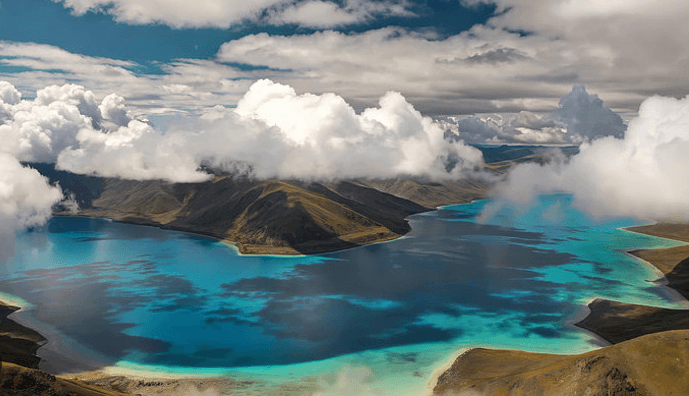
For travelers with limited time, the 5-day Lhasa and Yamdrok Lake tour delivers the essence of Tibet without pushing altitude. Yamdrok Lake’s turquoise waters, set against snow-capped peaks, are accessible year-round and require no additional permits beyond the standard TTP.
.png)
How to Match a Tour to Your Travel Season
Tibet’s travel season shapes everything — scenery, crowd levels, permit processing times, and price.
April to May brings clear skies and excellent Everest visibility. This is mountaineering season, so the energy around base camp is electric. Temperatures can still drop below -10°C at night near EBC.
June to August is peak season. The plateau turns vivid green, oxygen levels are at their highest, and the Shoton Festival in August features Tibetan opera and giant thangka unveilings. Expect higher prices and more tourists.
September to October offers the most stable weather and the best photography conditions. Golden barley fields, crisp air, and mirror-like lake reflections make autumn the sweet spot for most travelers.
November to March is the quiet season. Fewer tourists, lower prices, and Potala Palace visits without queues. But temperatures are harsh, and some high passes may close due to snow.
Choosing Between Group and Private Tibet Tours
This is where many travelers get stuck. Here’s a practical breakdown:
- Small group tours (6–12 people) cost less per person and are great for solo travelers wanting company. Departures are fixed, so your schedule must be flexible.
- Private tours offer full control over pace, stops, and itinerary. Your guide adjusts the schedule based on how you’re feeling — critical at altitude. Ideal for families, couples, and photographers.
- Custom tours let you combine routes, add destinations like Mount Kailash, or extend stays in specific towns. These require more planning time (8–10 weeks for permits if Kailash is included).
For first-time visitors, a private 8-day Lhasa-to-EBC tour strikes the best balance. You get personalized pacing, a dedicated vehicle, and the freedom to linger at a monastery or pull over for a photo of grazing yaks.
What to Expect: Your First Days in Tibet
Most Tibet tours begin in Lhasa, where you’ll spend the first 2–3 days acclimatizing. Here’s what a typical arrival looks like:
- Your guide meets you at Lhasa Gonggar Airport and transfers you to your hotel.
- Day one is strictly for rest — no sightseeing, no showers (they can trigger altitude symptoms), and no alcohol.
- Day two introduces the Potala Palace, the Dalai Lama’s former winter residence and a UNESCO World Heritage Site.
- Day three brings Sera Monastery, where monks debate Buddhist doctrine in a lively courtyard, and Jokhang Temple, the holiest site in Tibetan Buddhism.
By day four, most travelers feel adjusted and ready to head toward higher elevations. The key is patience — your body is working hard even when you’re “just sitting.”
Finding the Right Tibet Tour for You
SinoTrip offers private Tibet tours designed for 2025 and 2026 departures, with itineraries covering Lhasa’s iconic Potala Palace, the intellectual energy of Sera Monastery’s monk debates, and the sacred Jokhang Temple. Their tours handle Tibet Travel Permit arrangements, provide experienced Tibetan guides, and build acclimatization time into every itinerary.
What sets a well-organized tour apart is the details: oxygen-equipped vehicles, hotels selected for comfort at altitude, and guides who know when to push forward and when to slow down. SinoTrip’s Tibet journeys are built around these principles, making them suitable for travelers who want spiritual depth without logistical stress.
When evaluating any Tibet tour operator, ask three questions:
- Is the permit fully handled, or do I need to arrange anything myself?
- How many acclimatization days are built in before going above 4,000m?
- Does the vehicle carry supplemental oxygen, and are hotels equipped with oxygen?
If the answers are clear and confident, you’re in good hands.
PREGUNTAS FRECUENTES
Do I need a permit to visit Tibet?
Yes. All foreign passport holders need a Tibet Travel Permit (TTP), arranged through a licensed travel agency. You cannot apply individually or pick one up on arrival. Processing takes 10–14 days for standard routes, and 3–4 weeks for Mount Kailash or far western Tibet.
Can I travel independently in Tibet?
No. Independent travel is not permitted for foreign tourists. You must travel with a licensed Tibetan guide and a pre-arranged tour that includes transportation and accommodation.
When is the best time to book a Tibet tour?
April–May and September–October offer the best weather and visibility. Book at least 4–6 weeks in advance for standard routes, and 8–10 weeks ahead if your itinerary includes Mount Kailash or Ngari.
Will I get altitude sickness on a Tibet tour?
Most travelers experience mild symptoms — headache, fatigue, shortness of breath — during the first 24–48 hours in Lhasa. Quality tours build in acclimatization days and carry supplemental oxygen. Consult your doctor about medication like Diamox before traveling.
What should I pack for a Tibet tour?
Essentials include SPF 50+ sunscreen, sunglasses, a warm jacket (even in summer), layered clothing, a reusable water bottle, and any personal medications. Hotels at higher elevations provide supplemental oxygen, but a small portable canister offers peace of mind.
Reference Sources
- Tibet Tourism Bureau — Official source for Tibet Travel Permit regulations and requirements.
- UNESCO World Heritage Centre — Potala Palace, Jokhang Temple, and Norbulingka listed as World Heritage Sites.
- China National Tourism Administration — China visa and entry policy updates for 2025–2026.
- WildhorseTour — Tibet travel planning guide with current permit policies and seasonal recommendations.
- Experience Tibet — Comprehensive permit guide for foreign travelers with 2026 policy updates.
- SinoTrip — Platform page for private Tibet tour packages and itinerary details.