The China travel cost for 2 weeks depends mainly on your hotels, transport choices and travel style. For a typical 14-day trip, budget travelers may spend around ¥6,000–9,000 per person. A comfortable mid-range trip may cost ¥11,000–17,000, while a higher-comfort holiday can reach ¥20,000–30,000 or more. These estimates exclude international flights.
China offers options for different budgets. Local food and public transport can be affordable, while hotels, private tours and long-distance travel increase costs. Understanding each expense before departure will help you plan a realistic budget.
1. How Much Does a Two-Week Trip to China Cost?
The following estimates cover 14 days and 13 hotel nights. They assume two travelers share one room and visit several major tourist cities. International flights, visa expenses, travel insurance and personal shopping are not included.
| Travel Style | Estimated Cost per Person | Typical Experience |
|---|---|---|
| Budget | ¥6,000–9,000 | Budget hotels, local food and public transport |
| Mid-Range | ¥11,000–17,000 | Comfortable hotels, restaurants and major attractions |
| Comfortable | ¥20,000–30,000+ | Higher-end hotels, private transfers and selected guided tours |
These are practical planning ranges rather than fixed prices. A solo traveler paying for a private room may spend more per person. Sharing accommodation can reduce the cost for couples and friends.
Travel dates also matter. Hotel prices can rise during Chinese New Year, the May Day holiday and National Day Golden Week. Booking popular destinations during these periods may require a larger budget.
2. China Travel Cost Breakdown: Where Does Your Money Go?
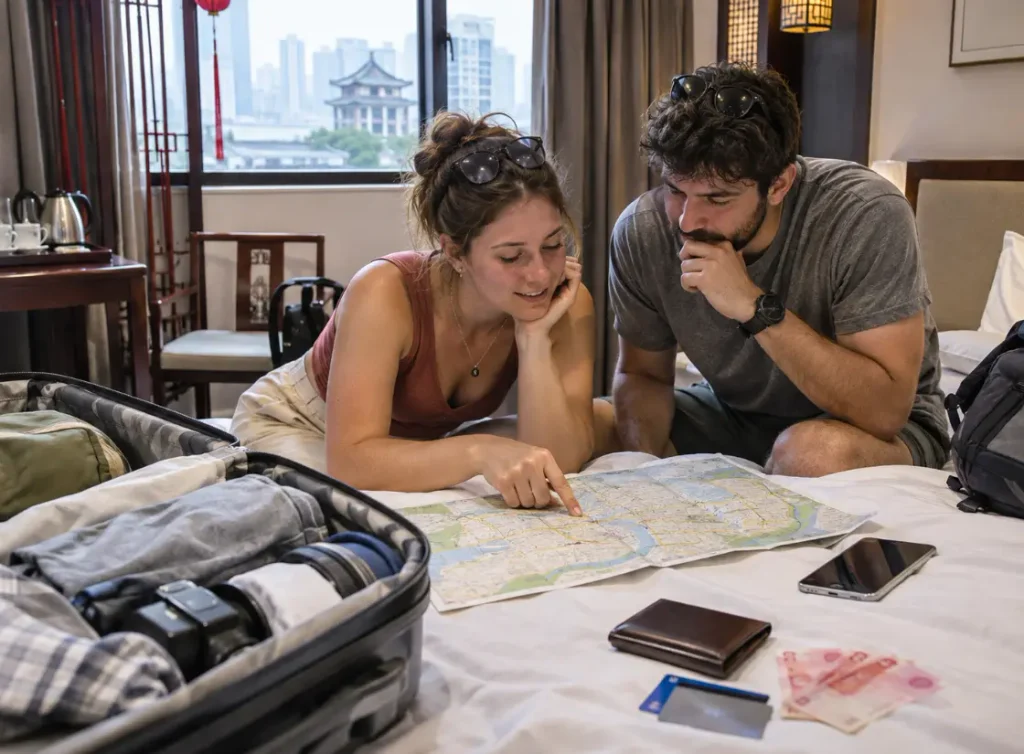
Accommodation, food, transport and sightseeing make up most everyday travel expenses. The following table shows how a mid-range traveler might divide a two-week budget.
| Expense | Estimated Cost per Person | What It Covers |
|---|---|---|
| Hotels | ¥3,500–5,500 | 13 nights in comfortable shared rooms |
| Food | ¥1,800–2,800 | Local meals, restaurants and drinks |
| Intercity Transport | ¥1,500–3,000 | High-speed trains and a possible domestic flight |
| Local Transport | ¥400–900 | Metro, buses and occasional taxis |
| Attractions | ¥800–1,500 | Museums, landmarks and sightseeing tickets |
| Other Expenses | ¥500–1,000 | Mobile data, snacks and small purchases |
This example gives a total of approximately ¥8,500–14,700. A higher allowance may be needed for premium hotels, private guides, extra excursions or more expensive transport. Keep a separate emergency reserve for unexpected expenses.
Accommodation Costs
Hotels are often one of the largest expenses on a China trip. Budget hotels and guesthouses can reduce costs, while international hotel brands usually charge more.
Beijing and Shanghai may require larger accommodation budgets than smaller cities. Hotel location also matters. A room near a metro station can reduce daily transport costs and save sightseeing time.
Food and Dining Costs
Food can be affordable if you enjoy local restaurants and regional dishes. Noodles, dumplings, rice meals and street food offer many budget-friendly choices.
Mid-range travelers can mix local restaurants with nicer dining experiences. Hotel restaurants and premium dining venues may increase daily spending. Therefore, choose where to spend more based on your interests.

Transportation Costs
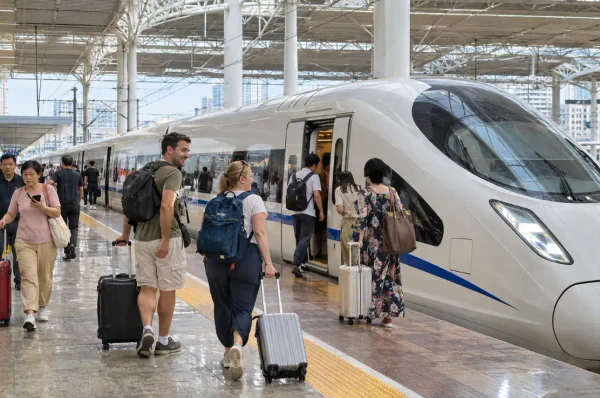
Metro systems and buses are useful for getting around major cities. High-speed trains connect many popular destinations. Domestic flights may be more practical for longer routes.
Train fares depend on the route, seat class and travel date. Before setting your budget, check current ticket prices on the official China Railway 12306 website.
Private drivers offer greater flexibility but usually cost more than public transport. If you are traveling with several people, compare the total vehicle price rather than the individual ticket cost.
Attraction and Activity Costs
Some parks and public areas are free or inexpensive. Major museums, historical sites and special experiences may require paid tickets.
Popular attractions can also have advance reservation rules. Check official ticket information before your visit. Do not assume that every child, student or senior visitor receives the same discount.
3. Example Budget for a 14-Day China Itinerary
Consider a first-time route covering Beijing, Xi’an, Chengdu and Shanghai. This four-city itinerary combines historical attractions, local culture and modern city experiences.
A reasonable mid-range budget for two travelers sharing a room is approximately ¥11,000–17,000 per person, excluding international flights. Your actual total will depend on hotel choices, travel dates and the activities you select.
| Ciudad | Suggested Stay | Main Spending Areas |
|---|---|---|
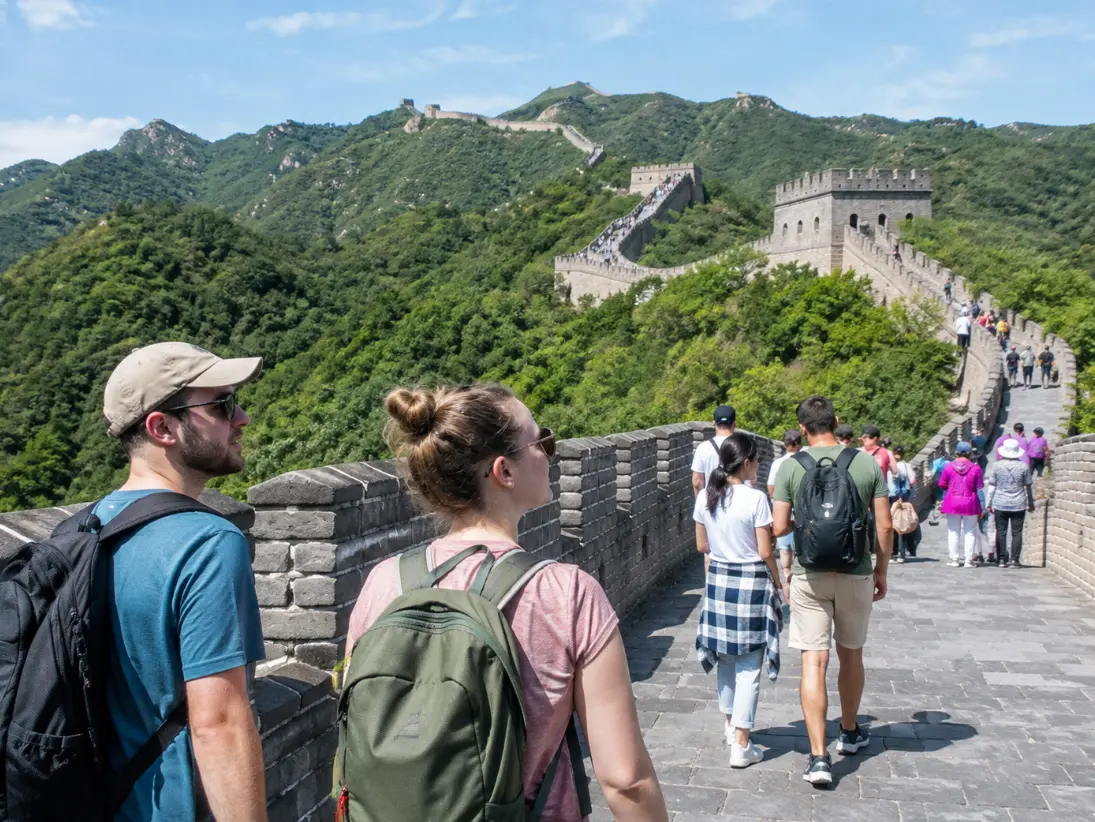
| Pekín | 4 nights | Hotels, Great Wall transport and historical attractions |
| Xi’an | 3 nights | Accommodation, Terracotta Warriors and local food |
| Chengdu | 3 nights | Panda Base, restaurants and local sightseeing |
| Shanghai | 3 nights | Hotels, museums and city attractions |
For this route, consider high-speed trains between Beijing and Xi’an, and Xi’an and Chengdu. Compare domestic flights and trains for the Chengdu–Shanghai journey. Airport transfers and luggage fees should be included in your final comparison.
You can follow SinoTrip’s 14-day Beijing, Xi’an, Chengdu and Shanghai itinerary for a more detailed daily sightseeing plan.
4. What Additional Costs Should You Prepare For?
Some expenses are easy to overlook when preparing a China travel budget. Add them separately instead of assuming they are included in your daily allowance.
- International flights: Prices depend on your departure country, season and booking date.
- Visa expenses: Requirements and fees depend on your nationality and eligibility for visa-free entry.
- Travel insurance: Compare medical coverage, trip cancellation and baggage protection.
- Mobile data: Include a travel eSIM, local SIM or roaming plan.
- Payment fees: Foreign bank cards may have platform or currency conversion charges.
- Private tours: Guides, private cars and customized activities may require additional payment.
- Shopping: Souvenirs and personal purchases should have a separate allowance.
For mobile payments, eligible foreign visitors can link supported international bank cards to Alipay or WeChat Pay. Check the fees displayed in the app and any charges from your bank. Read SinoTrip’s Alipay and WeChat Pay guide for tourists before departure.
5. How to Save Money on a Two-Week China Trip
You do not need to choose the cheapest option for every part of your trip. Instead, spend more on experiences that matter and save on expenses that have little effect on your enjoyment.
Book Accommodation Carefully
Compare hotel locations before comparing room prices. Staying near a metro station can reduce taxi costs and travel time. Also, check whether breakfast and taxes are included in the displayed rate.
Use Public Transport
Metro and bus services are practical in many large Chinese cities. Use trains for suitable intercity routes and reserve private cars for places with limited public transport. This can reduce overall travel costs.
Mix Local Food with Restaurant Meals
Try local restaurants and regional dishes instead of eating every meal at international hotel venues. You can still enjoy a special dining experience without spending heavily every day.
Travel Outside Major Holiday Periods
Flexible dates can help you find better hotel rates and more transport choices. Avoid peak holiday periods when possible. However, always check weather conditions and attraction schedules before changing your travel dates.
Choose Fewer Destinations
Adding more cities means more transport tickets, hotel changes and transfer expenses. For a two-week trip, three or four well-selected destinations are often enough. Spending longer in each city can also make the trip less tiring.
Preguntas frecuentes
Is ¥10,000 enough for two weeks in China?
It can be enough for a careful trip if you choose affordable hotels, eat at local restaurants and use public transport. However, a multi-city route with several train journeys and major attractions may require more. International flights and insurance should be budgeted separately.
How much spending money should I bring to China?
Your spending budget depends on prepaid hotels, transport and tour services. Keep a payment method for daily purchases and a small amount of RMB cash for situations where mobile payments are unavailable. Avoid carrying all your travel funds in cash.
Is China expensive for tourists?
China offers options for both budget and comfortable travel. Local food and public transport can be affordable, while premium hotels, private tours and long-distance travel increase costs. Your accommodation and travel style have a major effect on the final budget.
Is it cheaper to travel independently or join a private tour?
Independent travel can cost less when you book hotels and transport yourself. A private tour may cost more but can include transport, guides and itinerary planning. Compare the actual inclusions rather than looking only at the advertised price.
The China travel cost for 2 weeks can vary widely, but a clear budget makes planning much easier. Start with your accommodation and transport needs, then add food, sightseeing and other expenses. Keep some money aside for unexpected costs.
If you want to compare organized travel options, explore SinoTrip’s China tour destinations. You can also contact SinoTrip about your China itinerary to discuss available routes and travel arrangements.