Traveling to the Tibet Autonomous Region (TAR) remains one of the most logistically unique experiences in the global tourism industry. Unlike standard international destinations where a simple visa suffices, Tibet operates under specific regulatory frameworks that require advance planning and authorized coordination. Known as the “Roof of the World,” this high-altitude plateau offers profound cultural depth and geographic wonders, but success depends on understanding the interplay between permit regulations, physiological adaptation, and seasonal windows.
This guide serves as a technical roadmap for travelers, photographers, and cultural explorers aiming to navigate the complexities of the Tibetan landscape with professional foresight.
1. Navigating the Mandatory Tibet Travel Permit (TTP) System
The most critical distinction for any visitor is that independent travel in Tibet is not permitted. All foreign passport holders must have their journey pre-arranged through a licensed travel agency which secures the Tibet Travel Permit (TTP).
The TTP is an official document issued by the Tibet Tourism Bureau. Without it, travelers cannot board flights or trains to Lhasa, nor can they check into hotels.
Technical Permit Requirements:
- Lead Time: Applications must be submitted at least 15–20 days before your entry date.
- Documentation: A clear scan of your passport and Chinese Visa is required. If you are on a work or resident visa in China, an employment certificate or student ID is also necessary.
- Aliens’ Travel Permit (ATP): For travel beyond Lhasa (such as Everest Base Camp or Shigatse), an additional ATP is required, usually processed by your guide once you arrive in Tibet.
- Military Permit: Necessary only for sensitive border areas like Mt. Kailash or the overland route to Kashgar.
2. Strategic Seasonal Planning: Climate and Visibility
Tibet’s geography dictates a climate of extremes. While the “best time” is subjective, understanding the atmospheric conditions is vital for specific objectives like Himalayan photography or trekking.
| Season | Months | Characteristics | Best For |
| Spring | April – June | Clear skies, rising temperatures, dry air. | Everest Base Camp (EBC) visibility. |
| Summer | July – August | Monsoon influence, higher oxygen levels, lush greenery. | Cultural festivals and comfort. |
| Autumn | Sept – Oct | Stable weather, crisp air, golden landscapes. | Trekking and photography. |
| Winter | Nov – March | Intense cold, low crowds, deep discounts, clear peaks. | Budget travel and spiritual solitude. |
Expert Insight: While summer is the warmest, it is also the rainy season. For those prioritizing a clear view of Mount Everest (Qomolangma), the shoulder seasons (Spring and Autumn) offer a significantly higher probability of unobstructed mountain views.
3. Physiological Management: High-Altitude Acclimatization
Traveling to Tibet involves a rapid ascent to an average elevation of 4,000 meters (13,123 feet). Acute Mountain Sickness (AMS) is a real operational risk that must be managed through disciplined pacing.
Acclimatization Protocols:
- The “Lhasa Buffer”: Spend at least 2–3 days in Lhasa (3,650m) before ascending to higher altitudes like Shigatse (3,800m) or EBC (5,200m).
- Hydration Dynamics: The plateau air is extremely dry. Increased fluid intake is mandatory to assist blood oxygenation, but avoid alcohol and sedatives, which depress respiratory drive.
- Medical Consultation: Note that individuals with pre-existing severe heart or lung conditions are generally advised against high-altitude travel.
4. Primary Geographic Hubs and Route Logistics
Tibet’s vastness requires a tiered approach to itinerary design. Most travelers focus on the central and western circuits.
Lhasa: The Cultural Core
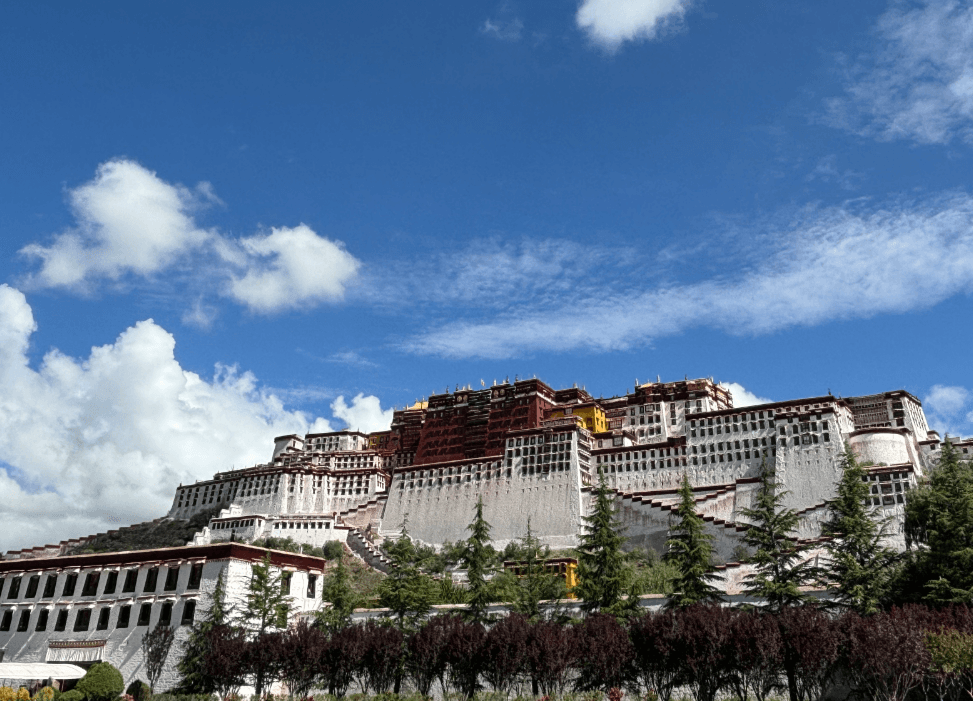
As the administrative and spiritual heart, Lhasa is home to the Potala Palace and the Jokhang Temple. The Barkhor Street circuit provides the best insight into the Kora (pilgrim circumambulation) traditions.
Shigatse and Everest Base Camp
The Friendship Highway connects Lhasa to Shigatse, the second-largest city. From here, the journey typically continues to the North Face of Everest. Unlike the Nepal side, the Tibetan Everest Base Camp is accessible by vehicle, making it a high-altitude logistical marvel.
Mount Kailash and Western Tibet (Ngari)
This is the most demanding circuit, requiring a 15-day commitment. It involves the sacred three-day trek around Mt. Kailash, a site of immense spiritual significance for four major religions.
5. Transport Logistics: The Qinghai-Tibet Railway vs. Flying
How you enter Tibet significantly impacts your experience and initial acclimatization.
- Flying to Lhasa: The fastest method, with connections from major Chinese hubs like Chengdu, Chongqing, and Xi’an. The sudden jump in altitude requires immediate rest upon arrival.
- The Qinghai-Tibet Railway: Often called the “Sky Road,” this is an engineering masterpiece. Starting from Xining, the train climbs over the Tanggula Pass (5,072m). While the train is pressurized and provides oxygen, the 21-hour journey from Xining allows for a more gradual, albeit still rapid, ascent.
6. Cultural Etiquette and Local Standards
Respecting Tibetan Buddhist customs is not merely a courtesy; it is essential for maintaining the integrity of the travel environment.
- Circumambulation: Always walk clockwise around temples, stupas, and prayer wheels.
- Photography Protocols: Photography is strictly prohibited inside the chapels of most monasteries. Always ask for permission before photographing individuals.
- The “Slow” Philosophy: Tibet operates on a different temporal scale. Expect security checkpoints, slower road speeds due to safety regulations, and a more deliberate pace of life.
7. Assessing Tour Structures and Service Levels
When evaluating Tibet travel options, the distinction between “Small Group Tours” and “Private Custom Tours” is paramount.
- Small Group Tours: These are cost-effective, following fixed departure dates and standardized routes (e.g., Lhasa to EBC). They are ideal for solo travelers or those prioritizing budget.
- Private Customized Tours: These offer flexibility in pacing, accommodation selection (from boutique guesthouses to international luxury chains in Lhasa), and specialized focus areas like birdwatching, meditation, or professional photography.
For those planning a journey, selecting an operator with a deep local network in Lhasa and Shigatse ensures higher reliability in permit processing and emergency support. Detailed city-specific itineraries and regional breakdowns can be explored through professional Tibet travel portals to match specific logistical needs with geographic interests.
PREGUNTAS FRECUENTES
Q:Do foreigners need a Tibet Travel Permit?
A:Yes. Foreign travelers need a Tibet Travel Permit before entering Tibet. The permit must be arranged through an authorized Tibet travel agency before departure.
Q: Can I travel to Tibet completely alone?
A: No. Foreign travelers must be part of an organized tour with a licensed guide and pre-arranged transport. You can, however, book a “private tour” for just one person, but you will still be accompanied by a guide and driver.
Q: Is it possible to enter Tibet from Nepal?
A: Yes. You can enter via flight (Kathmandu to Lhasa) or the Gyirong land border. However, this requires a “Group Tourist Visa” issued by the Chinese Embassy in Kathmandu, which is a different process than a standard Chinese Visa.
Q: What is the power voltage and plug type in Tibet?
A: Tibet uses 220V. Most hotels use the standard Chinese flat two-pin or three-pin sockets. Universal adapters are recommended for international hardware.
Q: How do I manage communication and internet access?
A: Most hotels in major cities like Lhasa and Shigatse offer Wi-Fi. However, a local SIM card or a roaming plan with a VPN is necessary to access many Western websites and apps.
Reference Sources
- Tibet Tourism Bureau (TTB): Official regulatory updates on permit policies and seasonal closures.
- International Society for Mountain Medicine (ISMM): Clinical guidelines for altitude sickness prevention and management.
- UNESCO World Heritage Centre: Historical and conservation data for the Potala Palace and Jokhang Temple.
- China Railway (CR): Technical specifications and scheduling for the Qinghai-Tibet high-altitude rail line.