
Wuhan, often referred to as the “thoroughfare of nine provinces,” stands as the strategic heart of Central China. Historically recognized as the “Chicago of the East,” this sprawling megalopolis is uniquely defined by its geography: the confluence of the Yangtze and Han Rivers. For the modern traveler or business visitor, understanding Wuhan requires more than a list of landmarks; it requires an appreciation of its tripartite layout—Wuchang, Hankou, and Hanyang—and its role as a massive multimodal transportation hub. Whether you are visiting for its rich Chu-state heritage or navigating its high-tech corridors, this guide provides the professional framework needed to experience the River City effectively.
The Geographical Blueprint: Understanding the Three Towns of Wuhan
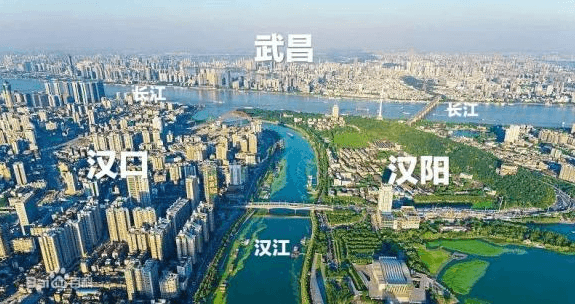
To navigate Wuhan efficiently, one must first grasp its “Three Towns” structure. Unlike centralized cities, Wuhan is a collection of three distinct historical districts separated by massive waterways, each offering a different functional profile:
- Hankou (The Commercial Core): Located on the north bank of the Yangtze and West of the Han River, Hankou is the historical center of trade and foreign concessions. It remains the city’s financial heart, home to luxury shopping districts and colonial-era architecture along the Bund.
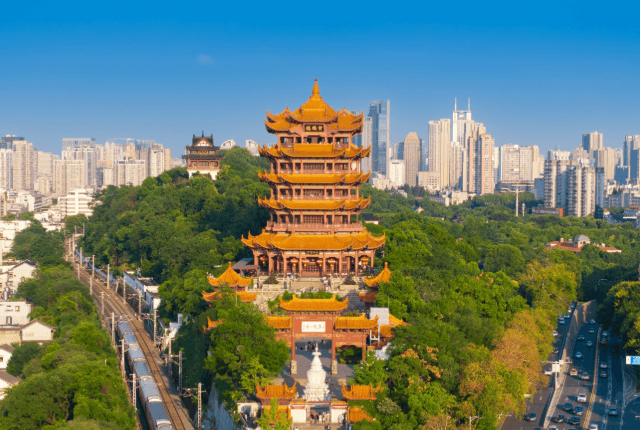
- Wuchang (The Intellectual & Political Hub): Situated on the south bank, Wuchang is the site of Hubei’s provincial government and the city’s vast educational sector. It hosts the Yellow Crane Tower and East Lake, representing the city’s cultural and academic soul.
- Hanyang (The Industrial Origin): Positioned between the Han and Yangtze Rivers, Hanyang is the birthplace of modern Chinese industry (Hanyang Ironworks). Today, it is a blend of industrial history and modern residential development.
Understanding this division is critical for logistics. Crossing the bridges (such as the historic First Yangtze River Bridge) can be time-consuming during peak hours. Professional travel planning often involves dedicating specific days to each “town” to minimize transit overhead.
Key Cultural Pillars: Chu Heritage and Revolutionary History
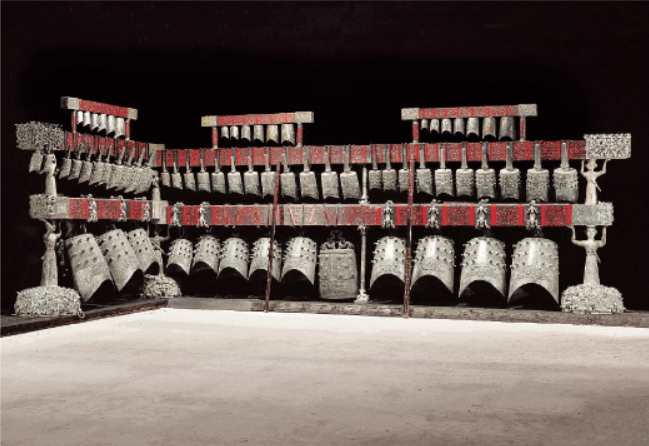
Wuhan’s identity is deeply rooted in the ancient Chu Culture, which flourished over 2,000 years ago. This heritage is best explored through the Hubei Provincial Museum, one of China’s eight state-level museums. The museum houses the Chime Bells of Marquis Yi of Zeng, a pinnacle of ancient metallurgy and musicology. From an expert perspective, the museum is not just a collection of artifacts but a testament to the region’s historical mastery of bronze casting and engineering.
Equally significant is Wuhan’s role in modern Chinese history. The Wuchang Uprising of 1911, which led to the collapse of the Qing Dynasty, began here. The Red Building (Uprising Museum) serves as a focal point for understanding the political transition of modern China. For travelers interested in political history, this site offers a profound look at the strategic importance of Wuhan’s central location in national movements.
Seasonal Logistics: Navigating the “Four Furnaces” and Cherry Blossoms
When planning a trip using a Wuhan travel guide, timing is the most critical variable. Wuhan is historically labeled one of the “Four Furnaces” of China due to its extreme summer humidity and heat.
- Spring (March – April): Peak season. Wuhan University and East Lake become global destinations for cherry blossom viewing. Logistics can be difficult during this period due to high visitor volumes; advanced booking of private transport or guided services is highly recommended.
- Summer (June – August): Temperatures frequently exceed 35°C (95°F) with high humidity. Outdoor sightseeing is best limited to early mornings or late evenings.
- Autumn (September – November): The most temperate and stable weather for exploration. Ideal for river cruises and walking tours of the Hankou concessions.
- Winter (December – February): Damp and cold. While there is less tourism traffic, outdoor activities are less comfortable.
The Gastronomy of “Guo Zao”: Wuhan’s Breakfast Culture
In Wuhan, breakfast is not just a meal; it is a ritual known as “Guo Zao.” The city is famous for its diverse street food, reflecting its history as a bustling transit hub where workers needed quick, high-energy meals.
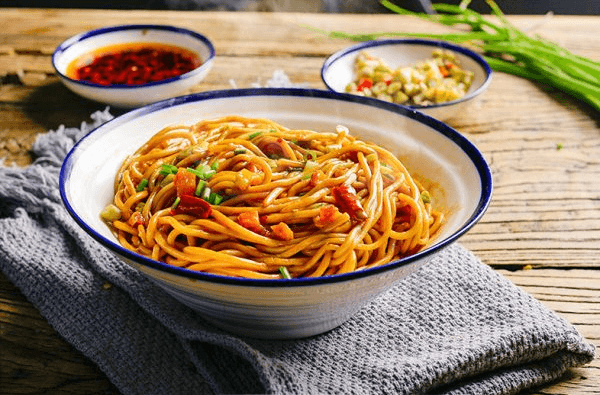
- Hot Dry Noodles (Re Gan Mian): The city’s signature dish. Unlike most Chinese noodle soups, these are coated in a rich, alkaline sesame paste.
- Doupi: A complex dish featuring a skin of mung bean and rice flour filled with sticky rice, minced meat, and mushrooms.
- Mianyang Three Steamed Dishes: A staple of the broader Hubei region, emphasizing the preservation of natural flavors through steaming techniques.
For the culinary traveler, visiting Hubu Alley or Liangdao Street offers a concentrated look at these traditions. However, those seeking a more authentic experience often find the best vendors in the residential backstreets of Hankou.
Infrastructure and Modern Navigation
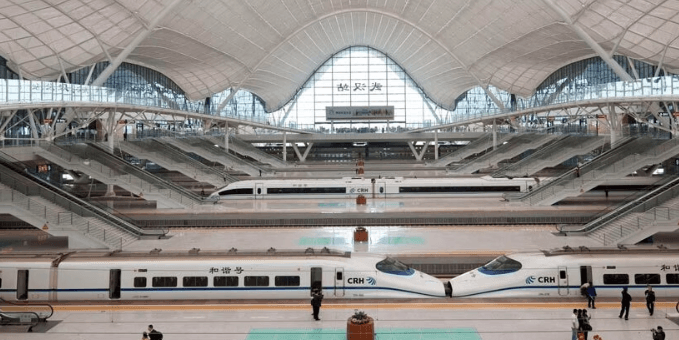
Wuhan serves as the primary high-speed rail (HSR) hub of China, connecting Beijing, Guangzhou, Shanghai, and Chengdu within a 4-to-5-hour radius. The city features three major railway stations: Wuhan Station (HSR focus), Hankou Station, and Wuchang Station.
Internal transit is supported by a sophisticated Metro system that crosses beneath the Yangtze River. However, for international travelers or business groups, navigating the scale of Wuhan often requires curated logistics. Utilizing professional services like those found at SinoTrip’s Wuhan section allows for seamless transfers between the three towns, particularly when trying to balance the cultural sites of Wuchang with the commercial meetings of Hankou. Private car services are often preferred over local taxis for reliability and to overcome the language barriers often encountered in Central China compared to coastal cities like Shanghai.
PREGUNTAS FRECUENTES
How many days are sufficient for a comprehensive Wuhan visit?
For a standard informational or cultural tour, 3 days is optimal. Day 1: Wuchang (Yellow Crane Tower & Museum). Day 2: Hankou (The Bund & History). Day 3: East Lake and local gastronomy.
What is the best way to cross the Yangtze River as a tourist?
While the Metro is fastest, taking the local ferry from China Merchants Wharf in Hankou to Zhonghua Road in Wuchang offers the best views of the city skyline and the historic First Yangtze River Bridge at a very low cost.
Is Wuhan friendly for English-speaking travelers?
Major hotels and high-end malls have English-speaking staff, but street-level navigation and local eateries primarily use Mandarin. Using a translation app or hiring a local guide through a reputable platform is recommended for a smoother experience.
Are there any specific cultural etiquettes to observe?
Wuhan people are known for being straightforward and “loud” (the local dialect can sound aggressive to outsiders, but it is generally friendly). It is common to see people eating breakfast on the go—this is a normal part of the fast-paced “Guo Zao” culture.
What should I pack for a summer trip?
High-SPF sunscreen, moisture-wicking clothing, and a portable fan are essential. The “furnace” heat is a combination of high temperature and stagnant river humidity, making hydration a top priority.
Reference Sources
- Hubei Provincial Museum Official Archive (Historical artifacts and Chu culture documentation).
- Wuhan Municipal Bureau of Culture and Tourism (Seasonal event calendars and infrastructure updates).
- China Railway Map (HSR hub logistics and connectivity data).
- UNESCO Creative Cities Network (Wuhan is a designated City of Design).


