
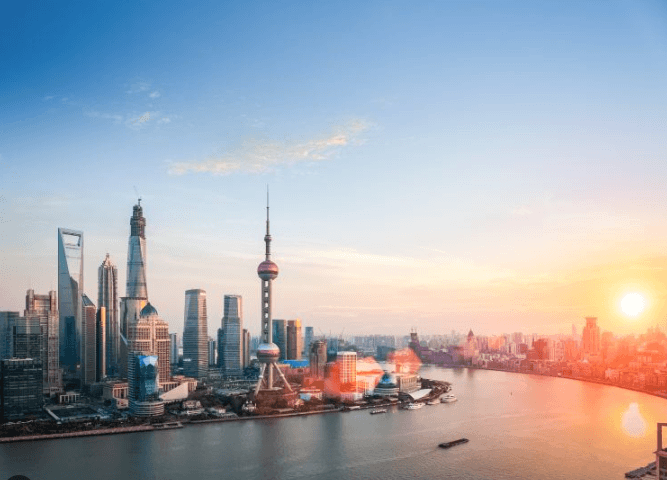
Navigating the Complexity of Shanghai: A Guide for International Travelers
For international travelers, Shanghai is often the primary gateway to China. However, navigating a megalopolis of 26 million people involves significant logistical hurdles, ranging from digital payment barriers to the intricacies of the 144-hour visa-free transit policy. Selecting the right Shanghai tours requires more than just a list of landmarks; it requires an understanding of transit efficiency, guide expertise, and the geographical layout of the Yangtze River Delta.
Efficiency is the benchmark of a high-quality tour. Whether you are on a 12-hour layover or a multi-day business trip, the “best” tour is one that bypasses common transit bottlenecks—such as the heavy traffic between Pudong International Airport (PVG) and the Puxi city center—while providing deep cultural context that a solo traveler would likely miss.
Evaluating Tour Categories: Which Format Fits Your Schedule?
The Shanghai tourism market is divided into several specialized segments. Choosing the correct category depends on your time constraints and your specific interest in China’s dual identity as a colonial-era port and a global financial hub.
| Tour Type | Best For | Typical Duration | Logistical Focus |
| Private City Highlights | First-time visitors | 8–10 Hours | Efficiency, historical depth, private transport. |
| Layover/Transit Tours | Travelers at PVG/SHA | 4–6 Hours | Maglev integration, tight scheduling, airport pickup. |
| Water Town Excursions | Cultural enthusiasts | Full Day | Out-of-city logistics, boat navigation, ancient architecture. |
| Night Cruises & Skyline | Photographers/Foodies | 3–4 Hours | Bund photography, evening crowd management. |
| Side Trips (Suzhou/Hangzhou) | Regional explorers | 1–2 Days | High-speed rail coordination, inter-city logistics. |
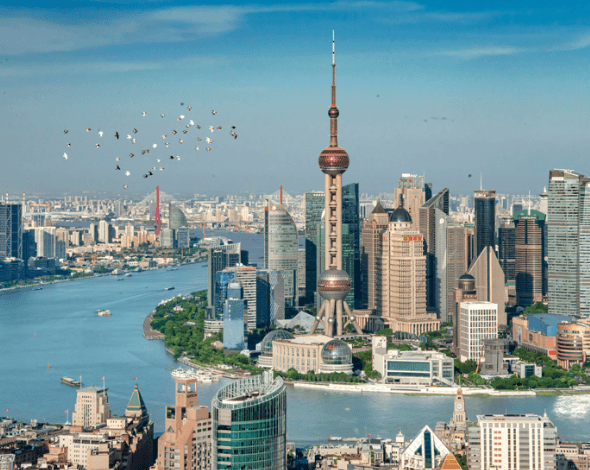
The Core Pillars of a Premium Shanghai Experience
When evaluating Shanghai tours, international travelers should look for three technical indicators of quality: logistical synchronization, linguistic expertise, and “skip-the-line” capabilities at major sites like the Shanghai Tower or the Yu Garden.
1. Urban Logistics and the Maglev Advantage
A sophisticated tour operator understands that time is the most valuable commodity in Shanghai. For travelers arriving at Pudong International (PVG), a tour that incorporates the Maglev train (reaching speeds of 431 km/h) provides both a technical marvel and a practical shortcut to the city’s outskirts, where private vehicles can then take over for door-to-door service.
2. Colonial History vs. Modern Futurism
The architectural dichotomy of the Bund (colonial-era Neoclassical buildings) versus Lujiazui (the world-class skyline) requires a guide with a grasp of both 19th-century trade history and 21st-century urban planning. Professional tours provide this narrative bridge, explaining how the former marshlands of Pudong transformed into a global financial center in less than three decades.
3. Navigating the “Venice of the East”
Water towns like Zhujiajiao, Fengjing, and Nanxun are essential for those seeking “Old China.” However, these areas can be difficult to access via public transport. A high-value tour will manage the 60-90 minute drive from the city center, include private rowing boat experiences, and ensure visits are timed to avoid the peak crowds of domestic tourism.
Optimizing Your Itinerary with SinoTrip
For travelers seeking structured yet flexible options, SinoTrip’s Shanghai Portfolio offers a range of services designed specifically for the international market. Their operational model focuses on removing the friction of local travel through:
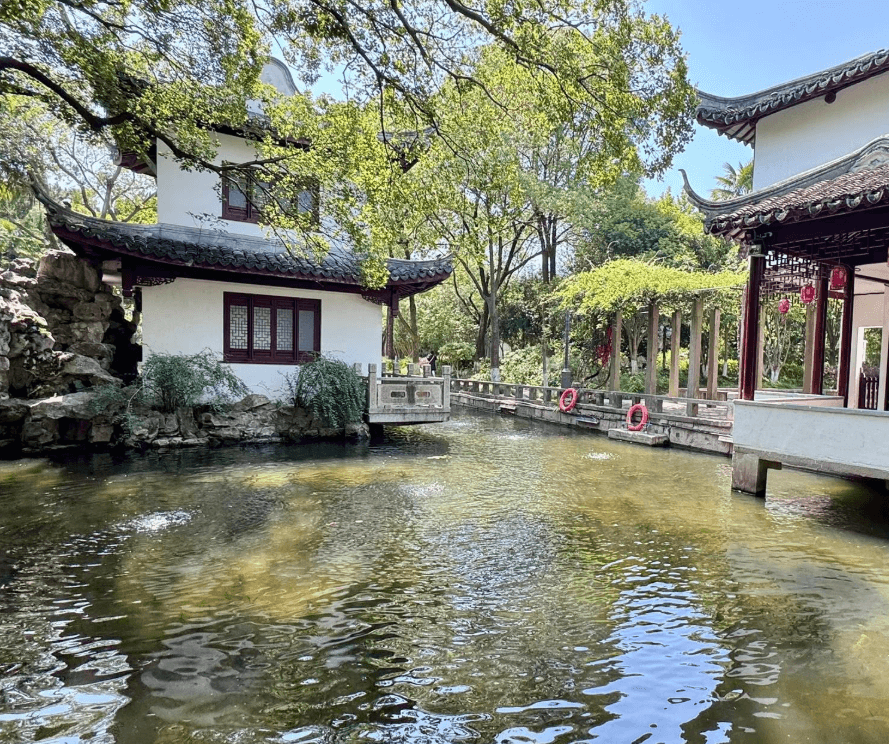
- Customizable Private Day Tours: These are not rigid group tours. They allow for adjustments based on the traveler’s pace, focusing on the Yu Garden, the French Concession, and the Shanghai Museum.
- Specialized Layover Services: Specifically designed for those utilizing the 144-hour visa-free transit, these tours include airport meet-and-greet and guaranteed return-to-terminal timing.
- Regional Extensions: SinoTrip facilitates the logistical transition from Shanghai’s urban core to the nearby “Garden City” of Suzhou or the scenic West Lake in Hangzhou via the high-speed rail network.
By utilizing a professional service, travelers avoid the complexities of local navigation apps (which are often not optimized for English users) and the challenges of securing entrance tickets to high-demand attractions, which now often require pre-registration via local digital platforms.
Strategic Considerations for International Visitors
Before booking, consider these three professional tips to maximize your tour value:
- The “Golden Week” Factor: Avoid booking intensive city tours during China’s National Day (early October) or Lunar New Year. If you must visit then, prioritize private tours that utilize secondary routes to avoid massive crowds.
- Payment Infrastructure: While a tour covers your primary costs, ensure your guide can assist you in setting up Alipay or WeChat Pay, as Shanghai is nearly cashless.
- Accommodation Alignment: Most high-quality tours include hotel pickup. Selecting a hotel near the Bund or the French Concession reduces the “dead time” spent in transit at the start of your tour day.
FAQ: Essential Information for Shanghai Tours
Q: Do I need a visa for a 24-hour Shanghai tour?
A : Many nationalities qualify for the 144-hour visa-free transit policy if they are transiting through Shanghai to a third country or region. You must have a confirmed ticket and the necessary visas for your next destination. Professional tour operators can often provide a “layover support” service to help you navigate the transit desk at PVG.
Q: What is the best time of year to book a Shanghai tour?
A : Spring (March to May) and Autumn (September to November) offer the most temperate weather. Summer can be extremely humid with temperatures exceeding 35°C (95°F), while winter is cold and damp.
Q: Are private tours significantly better than group tours in Shanghai?
A : Yes, primarily due to mobility. Private tours use smaller vehicles that can access narrow streets in the French Concession and offer “door-to-door” service, saving approximately 2–3 hours of transit and waiting time compared to large coach tours.
Q: Can a one-day tour cover both the city and a water town?
A : It is possible but demanding. A typical “combo” day starts with a morning visit to Zhujiajiao Water Town and ends with an evening walk along the Bund. This requires private transportation to be viable.
Q: Is English widely spoken on these tours?
A : While general English proficiency in the city is higher than in rural China, a professional tour guide provides the essential “linguistic bridge” for menus, historical signage, and interacting with local artisans.
Reference Sources
- Shanghai Municipal Administration of Culture and Tourism: Official guidelines on heritage sites and visitor statistics.
- National Immigration Administration of China: Regulations regarding the 144-hour Visa-Free Transit policy for international travelers.
- UNESCO World Heritage Convention: Historical data regarding the cultural significance of classical gardens and water towns in the Yangtze Delta.
- Maglev Official Operational Data: Transit speeds and scheduling for Pudong International Airport connections.


