Sichuan is no longer a hidden gem. It is a global hub for travelers seeking the intersection of wildlife conservation and world-class gastronomy. For those planning a trip, the “Land of Abundance” offers a complex landscape of logistics, seasonal shifts, and cultural nuances.
Choosing the right Sichuan tour requires more than just picking a route. It involves understanding the differences between panda research bases and identifying authentic culinary experiences beyond the tourist traps. This guide provides the technical and logistical insights needed to select a high-value itinerary.
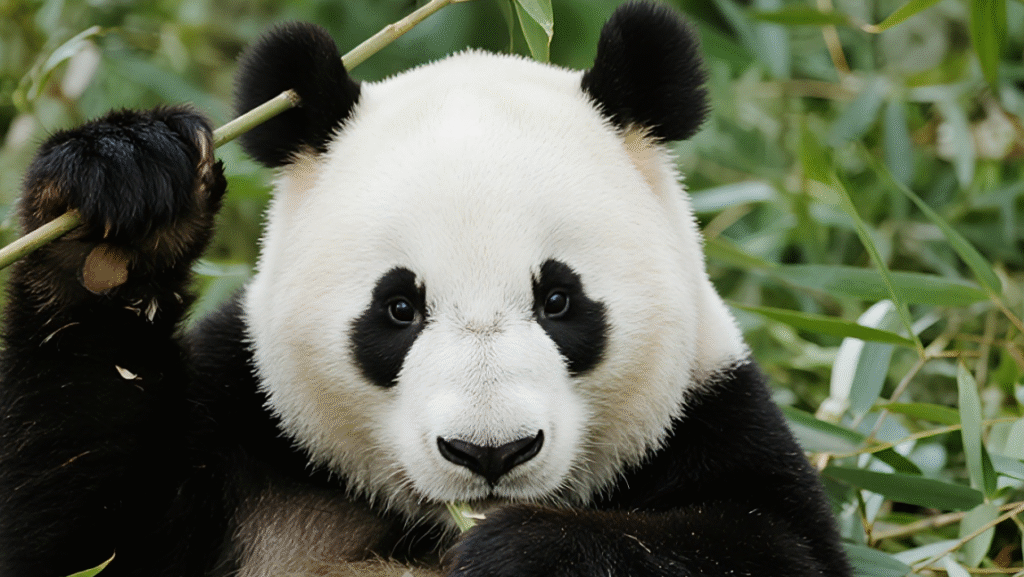
Why Sichuan Tours Define the Modern China Experience
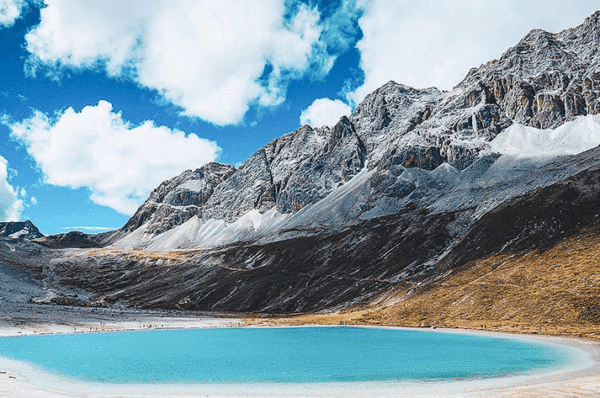
Sichuan represents a unique logistical challenge and reward. Unlike the historical rigidity of Beijing or the financial sheen of Shanghai, Sichuan is decentralized. Most tours begin in Chengdu, the provincial capital. From here, travelers must decide between the high-altitude wonders of Jiuzhaigou, the spiritual heights of Mt. Emei, or the deep conservation zones of Wolong.
A professional-grade tour doesn’t just provide a driver. It manages “Mala” (numbing-spicy) food intensity for foreign palates and navigates the complex ticketing systems of high-demand sites. For panda lovers and foodies, the quality of a tour is defined by access and timing.
Evaluating Panda Encounters: Wolong vs. Dujiangyan vs. Chengdu
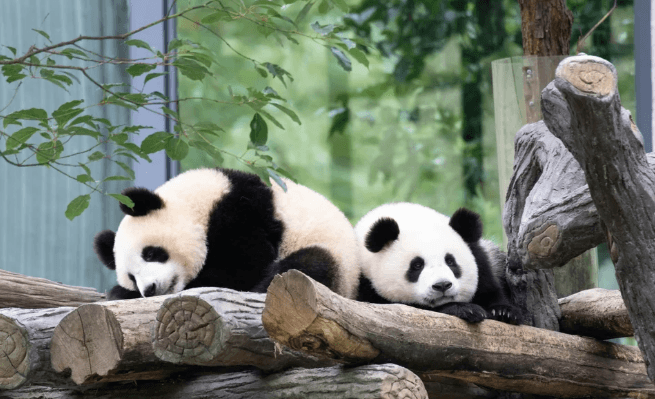
Not all panda experiences are equal. Most standard Sichuan tours visit the Base de recherche de Chengdu sur l'élevage du panda géant. While convenient, it can be crowded. For a more technical or immersive experience, industry experts look toward the China Conservation and Research Center for the Giant Panda (CCRCGP) branches.
| Feature | Chengdu Research Base | Base de panda de Dujiangyan | Wolong Shenshuping Base |
| Location | 30 mins from city center | 1.5 hours from Chengdu | 3 hours from Chengdu |
| Primary Focus | Tourism & Breeding | Panda Volunteering | Natural Habitat Research |
| Crowd Level | Very High | Moderate | Low |
| Best For | Short stays / Families | Volunteer programs | Photography / Nature lovers |
If your goal is “Panda Volunteering,” you must verify that your tour operator handles the required health certificates and local permits. Programs in Dujiangyan allow participants to clean enclosures and prepare bamboo, offering a deeper look into conservation science than a simple viewing gallery.
The Foodie’s Blueprint: Authenticity vs. Accessibility
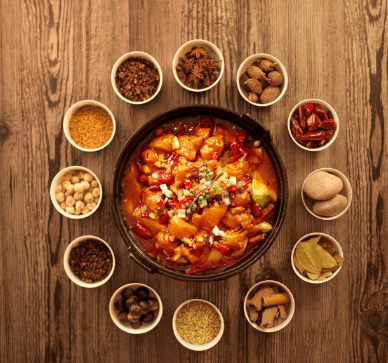
Sichuan cuisine (Chuan Cai) is one of the Four Great Traditions of Chinese cuisine. However, a “foodie tour” must go beyond the standard Kung Pao Chicken. High-quality Sichuan tours prioritize the “Three Essential Experiences”:
- The Spice Market Audit: A visit to a local wet market to understand the Erjingtiao chili and the Hanyuan Sichuan peppercorn.
- The Fly Restaurant (Cang Ying Guan): These are small, unassuming eateries that locals frequent. A professional guide knows which “fly restaurants” maintain hygiene while delivering elite flavors.
- Traditional Tea House Culture: Especially in Chengdu’s People’s Park, where the slow pace of life (Man Shenghuo) is as important as the food.
For travelers with lower spice tolerance, a well-planned tour ensures a “Yuan Wei” (original/non-spicy) alternative is always available. This balance is critical for maintaining energy levels throughout a multi-day trip.
Logistical Benchmarks for High-Quality Sichuan Tours
When evaluating providers like SinoTrip’s Sichuan offerings, look for these specific operational markers:
- Private vs. Group Transit: Sichuan’s top sites are spread out. Private vehicles allow for “Golden Hour” arrivals at panda bases before the heat of the day makes the animals lethargic.
- Guide Specialization: Ensure your guide has specific knowledge of either wildlife biology (for pandas) or culinary history.
- Itinerary Flexibility: The best tours allow for spontaneous stops at roadside fruit markets or village festivals, which are common in Western Sichuan.
Optimizing Your Itinerary: The “Panda + Buddha” Loop
A common mistake is trying to see Jiuzhaigou and Leshan in a single three-day window. This results in “travel fatigue” due to the high-speed rail and road transfers involved.
A strategic 5-day Sichuan tour usually follows this flow:
- Day 1: Arrival in Chengdu, evening Hot Pot (with a guide to explain the dipping sauce ritual).
- Day 2: Early morning Panda Base visit, afternoon Jinli or Kuanzhai Alley exploration.
- Day 3: Day trip to Leshan Giant Buddha. Consider a boat view for the best photography angles.
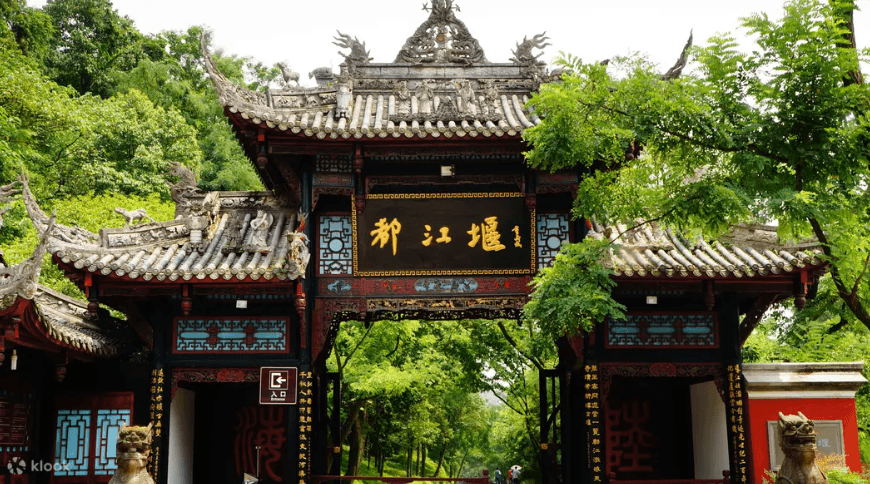
- Day 4: Dujiangyan Irrigation System (a UNESCO engineering marvel) and the nearby Panda Base.
- Day 5: Cultural immersion in a local market before departure
The Impact of Seasonality on Travel Quality
Seasonality affects both your “Panda experience” and your “Foodie experience.”
- Spring (March–May): Ideal weather. The pandas are active, and the “Spring Bamboo” is in season, leading to unique seasonal dishes.
- Autumn (September–November): The most visually stunning time for Jiuzhaigou. However, this is peak season, requiring bookings months in advance.
- Winter: Cold, but the best time for “Panda in the Snow” photos at Wolong. Many heavy, spicy soups are best enjoyed in this climate
Conclusion: Selecting Your Sichuan Partner
A Sichuan tour is a significant investment of time and resources. For the panda lover, the value lies in quiet, respectful observation and conservation education. For the foodie, it lies in the layers of flavor—numbling, spicy, sweet, and sour.
When browsing professional travel platforms, prioritize those that offer clear breakdowns of transport, entrance fees, and meal inclusions. Authentic Sichuan travel is not about the lowest price; it is about the depth of the local connection.
FAQ
Q: Is it possible to hold a panda on these tours?
A: Currently, the Chinese government has suspended all “panda holding” or physical contact programs for the safety of the animals. Be wary of any tour claiming otherwise. Official programs now focus on “Volunteering” (cleaning and feeding from a distance).
Q: How spicy is the food on a typical tour?
A: Professional tours allow you to customize spice levels. Most restaurants can prepare “Wei La” (slightly spicy) or “Bu La” (not spicy). Your guide should act as your culinary translator.
Q: How far in advance should I book a Sichuan tour?
A: For peak seasons (October, May, and August), it is recommended to book 3 to 6 months in advance. This ensures availability for high-speed train tickets and specialized panda volunteer slots.
Q: What is the best airport to fly into?
A: Chengdu Tianfu International Airport (TFU) is the main international hub. Some domestic flights still use the older Chengdu Shuangliu (CTU), which is closer to the city center. Always check your arrival terminal carefully.
Reference Sources
- UNESCO World Heritage Centre: Mount Emei Scenic Area, including Leshan Giant Buddha Scenic Area
- Sichuan Provincial Department of Culture and Tourism: Official guidelines on regional travel safety and peak seasons.
- China Conservation and Research Center for the Giant Panda (CCRCGP): Official protocols for volunteer programs and base access.
- Michelin Guide Chengdu: For technical breakdowns of Sichuan culinary standards and rated establishments.