Chongqing Travel Guide: Things to Do, Food, Itinerary & Travel Tips
Chongqing is one of the most distinctive cities in China, known for its dramatic mountain landscape, riverside skyline, spicy food culture and unique urban design. Unlike many traditional flat cities, Chongqing is built across hills and rivers, creating a multi-level city where streets, buildings and transportation systems often appear on different elevations.
Located at the meeting point of the Yangtze River and Jialing River, Chongqing combines modern city life with traditional neighborhoods, historic streets and natural landscapes.
For many travelers, Chongqing is not just another stop in China. It is a destination where food, architecture, history and local lifestyle come together.
This Chongqing Travel Guide covers the best things to do, how many days to stay, famous food experiences, transportation, the best time to visit and how to combine Chongqing with a wider Sichuan itinerary.

What Is Chongqing Known For?
Chongqing is often called the Mountain City because of its unique terrain. The urban area is shaped by mountains, rivers and steep slopes, creating a cityscape unlike many other destinations in China.
The city is especially known for:
- Chongqing hot pot
- Hongya Cave night views
- Yangtze River scenery
- Mountain city streets
- Liziba Monorail
- Ciqikou Ancient Town
- Sichuan culture
- Nearby natural areas such as Wulong Karst
Unlike a traditional sightseeing city where attractions are spread across flat areas, Chongqing itself is part of the travel experience. Walking through different levels of streets, taking local transportation and exploring viewpoints are often highlights of the trip.
Best Things to Do in Chongqing
1. Visit Hongya Cave at Night
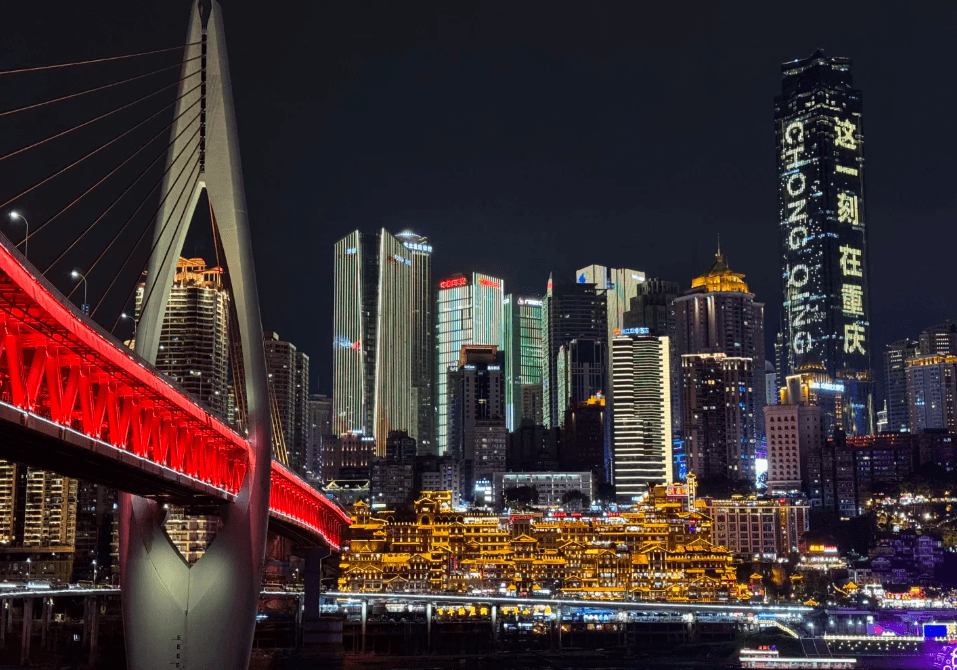
Hongya Cave is one of Chongqing’s most recognizable landmarks.
Built along the hillside near the Jialing River, the complex combines traditional-style architecture with restaurants, shops and viewing areas.
The best time to visit is usually in the evening when the lights create a dramatic riverside atmosphere.
However, Hongya Cave is not only about photography. Visitors can also explore nearby streets, enjoy local snacks and experience Chongqing’s night atmosphere.
2. Experience Chongqing Hot Pot
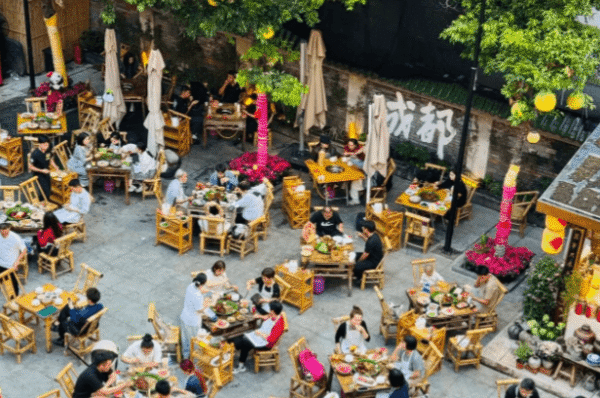
Chongqing hot pot is one of the city’s most famous cultural experiences.
Unlike many restaurant meals where dishes are prepared before serving, hot pot is a shared dining experience. Ingredients are cooked directly at the table in a spicy broth.
Typical ingredients include:
- Beef slices
- Vegetables
- Tofu
- Meatballs
- Noodles
- Local specialties
The defining feature is the combination of chili and Sichuan peppercorn, creating the famous spicy and numbing mala flavor.
For travelers who are not used to spicy food, many restaurants allow different spice levels. Trying Chongqing hot pot is often considered an essential part of visiting the city.
For more background, see our guide:
[ Sichuan Food Guide: Famous Dishes, Food Culture & What to Eat in Chengdu ]
3. Ride the Liziba Monorail
The Liziba Station of Chongqing Rail Transit became famous because the train passes directly through a residential building.
It represents Chongqing’s unusual urban design, where transportation systems adapt to the city’s mountainous terrain.
For visitors, it is a quick but memorable experience and can be combined with nearby sightseeing areas.
4. Explore Ciqikou Ancient Town
Ciqikou Ancient Town offers a different side of Chongqing.
Compared with the modern skyline of central Chongqing, Ciqikou shows older streets, traditional buildings, local snacks and historic neighborhood culture.
Although it is now a popular visitor destination, it remains a useful place to understand Chongqing’s connection with traditional commercial streets and local life.
5. Walk Around Jiefangbei and Central Chongqing
Jiefangbei is one of the city’s most central areas.
The district combines:
- Shopping areas
- Restaurants
- Modern buildings
- Historical landmarks
It is also a convenient base for first-time visitors because many popular attractions are within reasonable distance.
Exploring the surrounding streets after sunset is one of the easiest ways to experience Chongqing’s urban atmosphere.
6. Take in Yangtze River Views
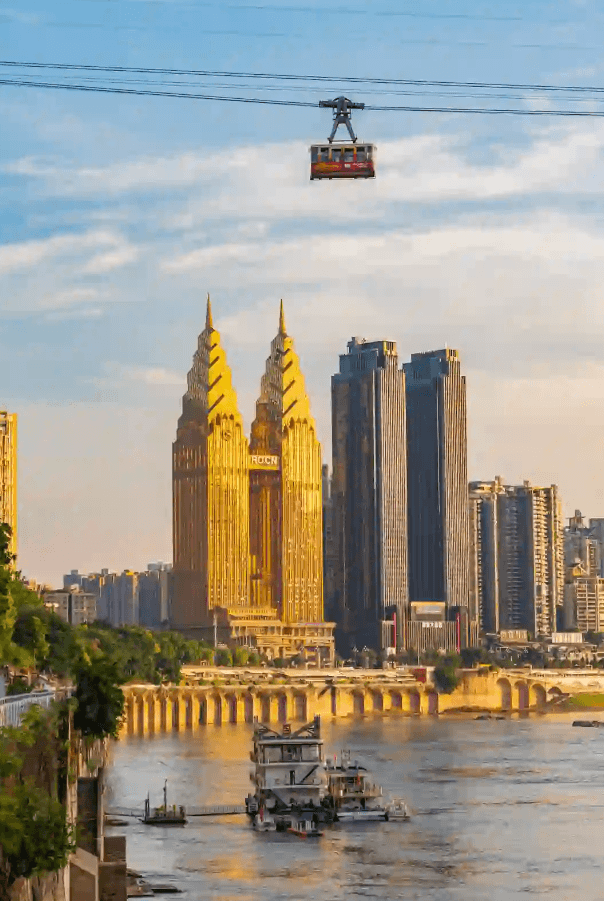
Because Chongqing sits where the Yangtze and Jialing rivers meet, river scenery is an important part of the city’s identity.
Popular ways to experience the rivers include:
- Riverside walks
- Viewpoints
- Night cruises
- Bridge viewpoints
The contrast between mountains, rivers and high-rise buildings is one of the reasons Chongqing feels different from other Chinese cities.
Chongqing Food: What Should You Try?
Food is one of the main reasons travelers visit Chongqing.
Besides hot pot, visitors can explore:
Chongqing Noodles (Xiaomian)
Chongqing small noodles are a popular everyday breakfast and street food.
They usually combine noodles with:
- Chili oil
- Sichuan pepper
- Minced meat
- Vegetables
- Seasonings
Unlike hot pot, noodles are a simple way to experience local flavor quickly.
Chongqing Grilled Fish
Grilled fish is another popular local dish.
The fish is usually served with a flavorful sauce containing chili, spices and vegetables.
Jianghu Cuisine
Jianghu cuisine refers to a style of Sichuan cooking associated with strong flavors and informal dining culture.
It reflects Chongqing’s local food identity and is often enjoyed in groups.
How Many Days Do You Need in Chongqing?
For first-time visitors, 2–3 days is usually a practical length.
One Day in Chongqing
A short visit can cover:
- Jiefangbei
- Grotte de Hongya
- Liziba Monorail
- Chongqing hot pot
However, the schedule will be relatively fast.
Two Days in Chongqing
A two-day itinerary allows more flexibility.
Example:
Day 1
- Jiefangbei
- Grotte de Hongya
- Yangtze River views
- Hot pot dinner
Day 2
- Liziba Monorail
- Ciqikou Ancient Town
- Local neighborhoods
- Food exploration
Three Days in Chongqing
Three days allows you to add:
- Museums
- Additional viewpoints
- Cultural experiences
- A nearby natural attraction
If you enjoy food, photography or urban exploration, a slower pace can make the trip more enjoyable.
Chongqing and Chengdu: Which Should You Visit?
Chongqing and Chengdu are often combined because they represent two different sides of Sichuan travel.
| Chongqing | Chengdu | |
|---|---|---|
| Main identity | Mountain city | Relaxed cultural city |
| Famous for | Hot pot, rivers, skyline | Pandas, tea houses, Sichuan culture |
| Atmosphere | Energetic and dramatic | Slower and more relaxed |
| Landscape | Mountains and rivers | Plains and surrounding nature |
For travelers with enough time, visiting both creates a more complete Sichuan experience.
A common route is:
Chengdu → Chongqing
or
Chongqing → Chengdu
depending on your transportation plans.
How to Get to Chongqing
From Chengdu
Chengdu and Chongqing are connected by high-speed rail, making it easy to combine both destinations in one Sichuan itinerary.
By Air
Chongqing Jiangbei International Airport connects the city with many domestic and international destinations.
Getting Around Chongqing
Because of the city’s mountainous terrain, transportation planning is slightly different from flat cities.
Useful options include:
- Metro
- Taxi
- Walking
- River transportation
The metro is especially useful for reaching many central attractions.
However, visitors should remember that distances on a map may not reflect actual walking difficulty because of Chongqing’s hills and elevation changes.
Best Time to Visit Chongqing
Chongqing can be visited throughout the year, but different seasons provide different experiences.
Spring
Spring is comfortable for walking and exploring outdoor attractions.
Summer
Summer can be hot and humid. Morning and evening sightseeing is usually more comfortable.
Autumn
Autumn is often considered a pleasant period for city exploration and nearby trips.
Winter
Winter is cooler and can be suitable for enjoying hot pot, museums and indoor cultural activities.
For most travelers, spring and autumn are comfortable periods for exploring the city.
Chongqing Travel Tips
Prepare Comfortable Shoes
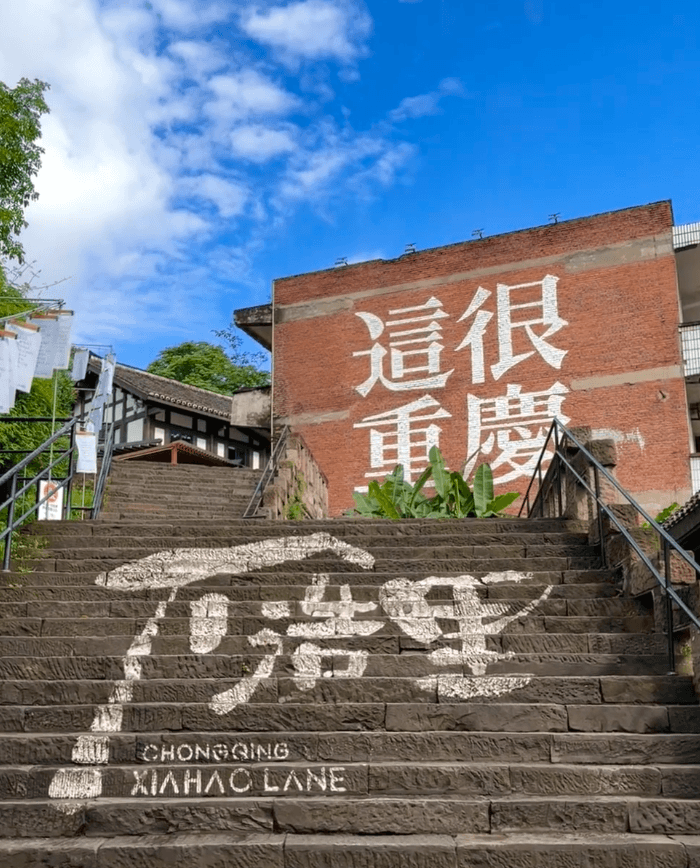
Chongqing involves many stairs, slopes and walking routes.
Comfortable shoes are important, especially if you plan to explore neighborhoods on foot.
Do Not Only Visit Famous Photo Spots
Hongya Cave and Liziba are popular, but Chongqing’s character also comes from ordinary streets, food markets and local neighborhoods.
Plan Extra Time for Transportation
Because of the city’s geography, travel times may be longer than expected.
Avoid arranging too many attractions in different districts on the same day.
Try Local Food Gradually
If you are not familiar with spicy food, start with milder dishes before trying extremely spicy hot pot.
Is Chongqing Worth Visiting?
Chongqing is worth considering for travelers who want a destination combining food, culture, urban landscapes and unique geography.
Its appeal is not limited to individual attractions. The experience comes from seeing how people live in a city built around mountains and rivers.
A good Chongqing trip usually combines:
- Local food
- Night views
- Traditional streets
- River scenery
- Modern urban experiences
For travelers exploring Sichuan, Chongqing adds a completely different atmosphere from Chengdu.
Frequently Asked Questions
What is Chongqing famous for?
Chongqing is famous for hot pot, mountain landscapes, Hongya Cave, Yangtze River views, spicy food culture and its unique urban design.
How many days should I spend in Chongqing?
Two to three days is suitable for most first-time visitors. Longer stays allow more time for food, neighborhoods and nearby attractions.
Is Chongqing better than Chengdu?
They offer different travel experiences. Chongqing is known for dramatic city landscapes and hot pot culture, while Chengdu is known for pandas, tea houses and a slower lifestyle.
Is Chongqing suitable for first-time visitors to China?
Yes. With basic planning, Chongqing is a rewarding destination for travelers interested in food, culture and city exploration.
What food should I try in Chongqing?
Chongqing hot pot, small noodles, grilled fish and local Sichuan dishes are among the most popular choices.
References
- UNESCO World Heritage Centre — Dazu Rock Carvings
https://whc.unesco.org/en/list/912/ - Travel China — Official Tourism Website of China
https://www.travelchina.org.cn/ - Chongqing International Communication Center
https://www.ichongqing.info/