
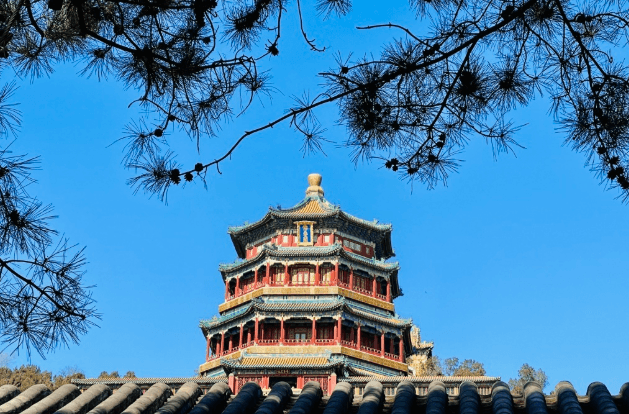
Identifying the Best Time to Visit Beijing is a critical first step in planning, as it significantly impacts the quality of your experience. Given its sprawling landscape and humid continental climate, the city undergoes dramatic shifts in temperature, air quality, and crowd density throughout the year. Consequently, for most travelers, the consensus points toward the shoulder seasons—late spring and autumn—as the most balanced periods for exploration.
The Short Answer: When is the Best Time to Visit Beijing?
The best time to visit Beijing is from September to October or April to May. During these months, the city enjoys its most temperate weather, characterized by clear skies and comfortable humidity levels. These periods avoid the extreme heat of the summer and the biting winds of the Mongolian steppe that define Beijing’s winter.
Beijing Weather and Seasonal Breakdown
Understanding the meteorological nuances of North China is essential for itinerary planning. Beijing’s climate is influenced by its proximity to the Gobi Desert and the Bohai Sea, creating distinct seasonal profiles.
| Season | Months | Average Temp (°C/°F) | Characteristics |
| Spring | March – May | 10°C to 25°C (50°F – 77°F) | Blossoming flowers, rising temperatures, occasional wind. |
| Summer | June – August | 25°C to 35°C (77°F – 95°F) | High humidity, frequent rain, peak domestic tourism. |
| Autumn | Sept – Oct | 12°C to 25°C (54°F – 77°F) | “Golden” weather, clear blue skies, crisp air. |
| Winter | Nov – Feb | -10°C to 5°C (14°F – 41°F) | Dry, cold, low tourist volume, potential for snow. |
Autumn: The “Golden Season” (September – October)
Many seasoned travelers and local guides consider autumn the pinnacle of Beijing’s calendar. By September, the stifling humidity of summer dissipates. This period is famous for “Tian Gao Qi Shuang” (the sky is high and the air is brisk).
Key highlights of autumn include:
- Fragrant Hills (Xiangshan): The turning of the maple leaves provides a stunning backdrop for photography.
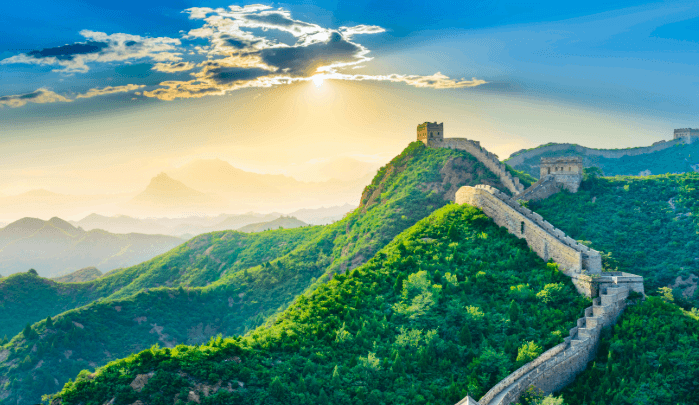
- The Great Wall: Visibility is often at its highest, making this the best time for hiking sections like Mutianyu or Jiankou.
- Comfortable Walking: Since Beijing city tours involve significant outdoor walking, the mild 18°C–22°C temperatures are ideal.
Spring: The Season of Renewal (April – May)
Spring is a close runner-up to autumn. April marks the arrival of peach and cherry blossoms throughout the city’s imperial parks.
Considerations for spring travel:
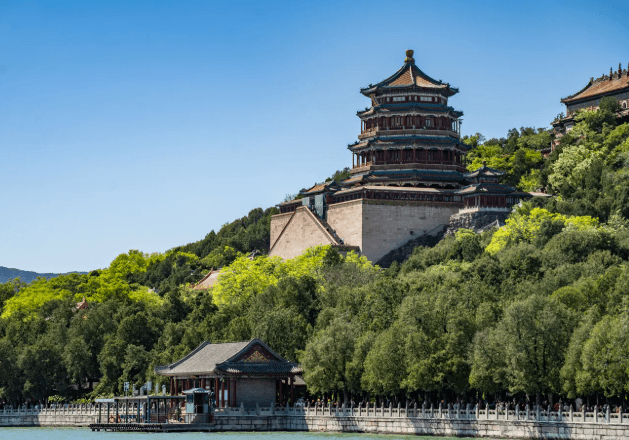
- Flora: The Summer Palace and Temple of Heaven are particularly scenic during this time.
- Sandstorms: Historically, Beijing faced dust storms in March; however, extensive reforestation (the “Green Wall”) has significantly reduced these occurrences.
- Layering: Temperatures can fluctuate rapidly between morning and evening, requiring versatile clothing.
Navigating Peak Crowds and Public Holidays
In China, the “when” is often dictated as much by the calendar as by the clouds. Beijing is the primary destination for domestic tourism, meaning national holidays can lead to extreme congestion at major sites.
- The “Golden Week” (October 1st – 7th): This is the National Day holiday. It is generally advised to avoid Beijing during this week. Prices for accommodation spike, and sites like the Forbidden City reach maximum capacity weeks in advance.
- Chinese New Year (January/February): While the city is quieter as migrant workers return home, many smaller shops and local eateries may close. However, temple fairs offer a unique cultural immersion.
- Summer School Holidays (July – August): This is the busiest time for families. Expect long queues at the Universal Studios Beijing and the Badaling Great Wall.
Atmospheric Conditions and Visibility
Air quality in Beijing has improved remarkably over the last decade due to strict environmental regulations. However, “haze” days can still occur, particularly in late winter or during seasonal transitions.
To maximize visibility for photography and sightseeing:
- Monitor the AQI: Use real-time air quality index apps to plan outdoor versus indoor activities.
- Post-Rain Clarity: Often, the day following a summer rainstorm offers the clearest views of the city skyline and distant mountains.
- Winter Winds: While cold, the northwesterly winds in winter often blow away pollutants, resulting in bright, sunny days despite the low temperatures.
Traveling on a Budget: The Winter Advantage
For travelers prioritizing value over weather, the period from November to early March (excluding Chinese New Year) offers significant advantages.
- Discounted Rates: Hotels often lower their rates by 30-50% compared to the October peak.
- Solitude: You can experience a nearly empty Great Wall, a rare feat during other times of the year.
- Winter Sports: With the legacy of the 2022 Winter Olympics, the ski resorts in Zhangjiakou and Yanqing are world-class and easily accessible via high-speed rail.
Practical Planning for Your Beijing Visit
When booking your Beijing travel arrangements, keep the following logistics in mind:
- Booking Windows: The Forbidden City (Palace Museum) now requires ticket reservations at least 7 days in advance via their official mini-program. This is mandatory regardless of the season.
- Packing: If visiting in the shoulder seasons, bring wind-resistant outerwear. For summer, high-SPF sunscreen and umbrellas are non-negotiable.
- Hydration: Beijing is an exceptionally dry city, especially in winter and spring. Carry a reusable water bottle to mitigate the effects of the dry northern air.
자주 묻는 질문
What is the worst time to visit Beijing?
The first week of October (Golden Week) is generally considered the “worst” time for international tourists due to extreme crowds and inflated pricing. The peak heat of July and August can also be physically taxing.
Does it snow often in Beijing?
Beijing is quite dry in winter. While it does snow, heavy accumulations are rare. When it does snow, the Forbidden City and the Great Wall become exceptionally beautiful, though surfaces can be slippery.
When can I see the red leaves in Beijing?
The best time for autumn foliage is usually from mid-October to early November. The Fragrant Hills Park is the most famous spot, but the Mutianyu section of the Great Wall also offers spectacular forest colors.
Is Beijing air pollution still a major problem for tourists?
While it has significantly improved, sensitive travelers should still check the AQI. Most modern hotels in Beijing are equipped with high-end air filtration systems to ensure guest comfort.
Are attractions open during the Chinese New Year?
Major sites like the Forbidden City and the Great Wall stay open, but they may have adjusted hours on New Year’s Eve. Public transport continues to operate, though some private businesses will close for 3–7 days.
Reference Sources:
- China Meteorological Administration (CMA) – Historical Climate Data for Beijing.
- Beijing Municipal Administration of Cultural Heritage – Visitor Guidelines and Capacity Reports.
- World Health Organization (WHO) – Air Quality Transition Case Studies: Beijing.
- Official Portal of the People’s Government of Beijing Municipality – Tourism & Culture Sections.


