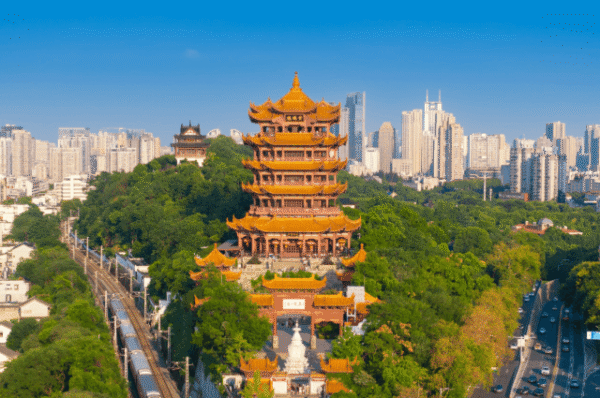
While the Yellow Crane Tower (Huanghe Lou) dominates the skyline and the postcards, it is merely the gateway to a city defined by three sprawling towns—Wuchang, Hankou, and Hanyang—bisected by the mighty Yangtze and Han Rivers. This guide highlights the best things to Do in Wuhan beyond Yellow Crane Tower.For the traveler or business visitor, Wuhan represents a unique intersection of ancient Chu culture, colonial history, and modern industrial prowess.
To truly experience the “Thoroughfare of Nine Provinces,” one must look beyond the rebuilt towers and engage with the city’s water-centric geography and its profound historical weight. Whether you are visiting for a layover or an extended cultural tour, the following locations provide a comprehensive view of Central China’s most vital hub.
Immerse in Chu Culture at the Hubei Provincial Museum
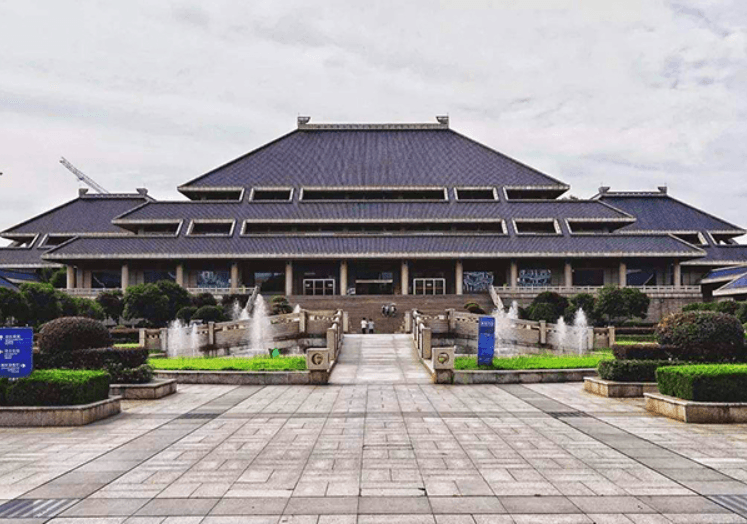
If the Yellow Crane Tower is the symbol of Wuhan, the Hubei Provincial Museum is its soul. This is not a generic local gallery; it is one of China’s eight national-level museums.
The centerpiece of any visit is the Chime Bells of Marquis Yi of Zeng, an archaeological marvel unearthed in 1978. Dating back to the Warring States period (433 BC), these 65 bronze bells are still functional, capable of playing a full pentatonic scale.
- Expert Tip: Check the schedule for the live chime bell performances. Hearing the resonance of 2,400-year-old bronze in a modern acoustic setting is a rare sensory connection to ancient Chinese musicology.
- Key Highlights: The Sword of Goujian (the “Excalibur of the East”) and the intricate lacquerware that defines the aesthetic of the Chu Kingdom.
Experience the Scale of East Lake (Donghu)
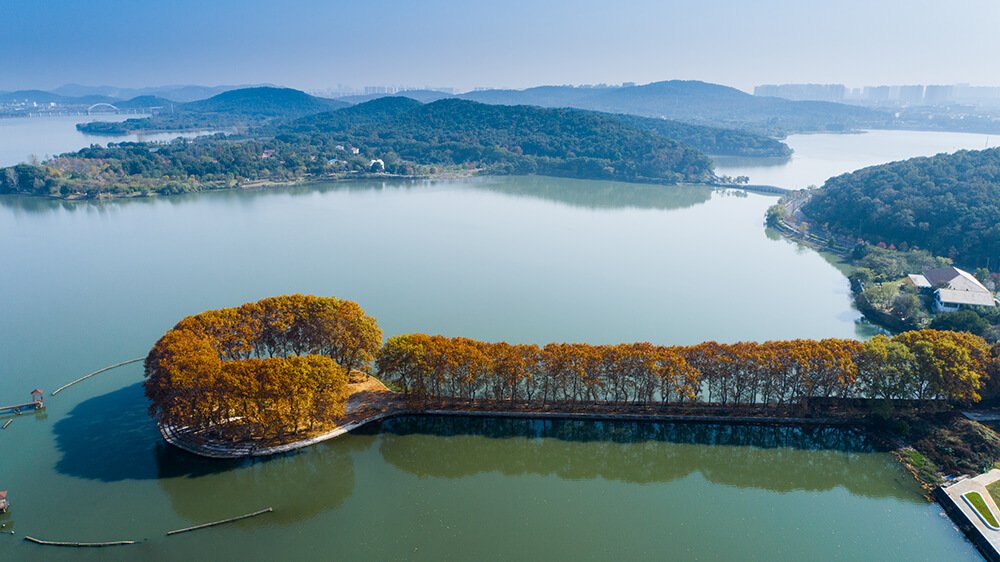
Often overshadowed by Hangzhou’s West Lake, Wuhan’s East Lake is significantly larger and, in many ways, more integrated into the daily life of the city. For those seeking a respite from the urban density of the Wuchang district, East Lake offers over 33 square kilometers of water surface.
The lake is divided into four main areas: Tingtao, Moshan, Luo Yan, and Baima. For a focused visit, the Moshan (Mill Mountain) area is essential. It provides a panoramic view of the lake’s vastness and houses the Chu City Gate, a reconstruction of ancient defensive architecture.
- Seasonal Note: If visiting in early spring (March), the East Lake Cherry Blossom Park is world-renowned, rivaling the displays in Kyoto, Japan, due to its historical connections and sheer volume of trees.
Trace Modern History Along the Hankou Riverside
Wuhan’s identity as a commercial powerhouse was cemented in the late 19th and early 20th centuries. Walking through the Hankou Five-Nation Concession Area reflects Wuhan’s history as an international trading port in the late 19th and early 20th centuries.
The architecture here—baroque, classical, and neoclassical—reflects the period when Britain, France, Russia, Germany, and Japan established concessions along the Yangtze.
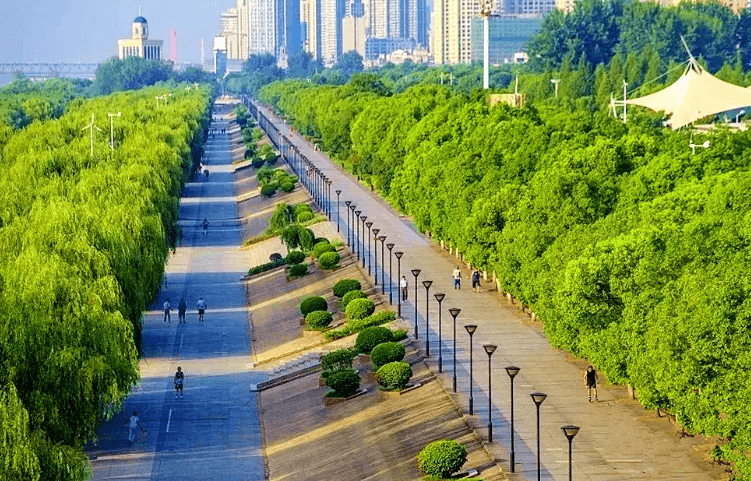
- The Bund Experience: Unlike the high-gloss neon of Shanghai’s Bund, Wuhan’s riverside (Hankou Jiangtan) feels lived-in. It is the best place to witness “Wuhan life”—from kite flyers to senior citizens practicing Tai Chi against a backdrop of massive container ships navigating the Yangtze.
Engage with Zen Heritage at Guiyuan Temple
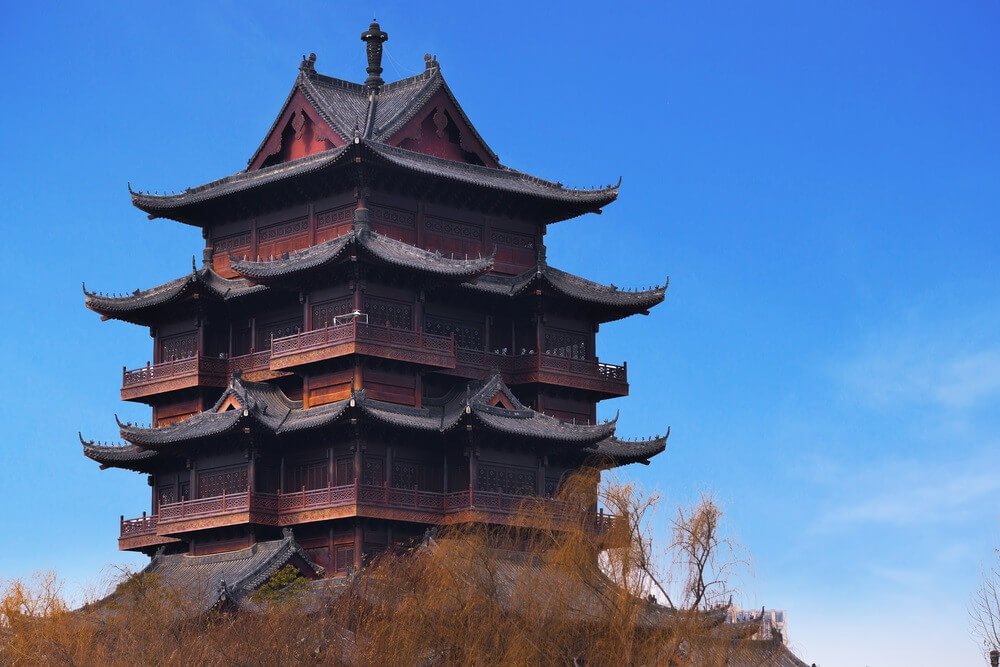
Located in Hanyang, Guiyuan Temple is one of the four most famous Buddhist temples in Hubei Province. Unlike many temples that face south, Guiyuan Temple is one of the well-known Buddhist temples in Hubei Province.
The highlight for most visitors is the Hall of the 500 Arhats. Each of the 500 statues has a unique facial expression, posture, and symbolic meaning. A local tradition involves “counting the Arhats”—starting from a random statue and counting your way to your current age; the statue you land on is said to reflect your fortune for the year.
Cross the First Yangtze River Bridge on Foot
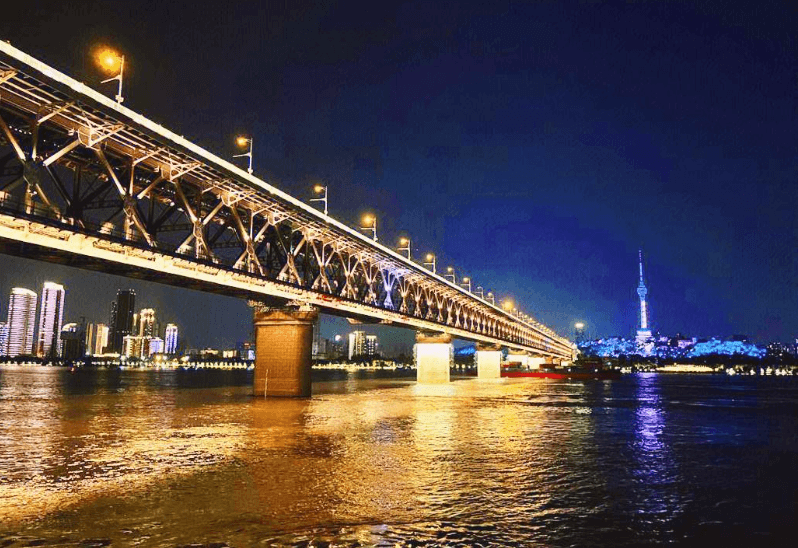
Completed in 1957 with Soviet assistance, the Wuhan Yangtze River Bridge was the first bridge to span the “Great River” for both road and rail. It is a monument to mid-century engineering and a vital artery connecting Wuchang and Hanyang.
Walking across the bridge (approximately 1.6 kilometers) provides a perspective of the river’s power that you cannot get from a car. You can see the Yellow Crane Tower to the east and the Qingchuan Pavilion to the west, with the gargantuan river traffic moving beneath your feet.
Discover the “Breakfast Capital” Culture
In Wuhan, breakfast is not just a meal; it is a ritual known as “Guo He” (过早). While tourists flock to Hubu Alley, locals prefer the authenticity of Liangdao Street or the neighborhood wet markets.
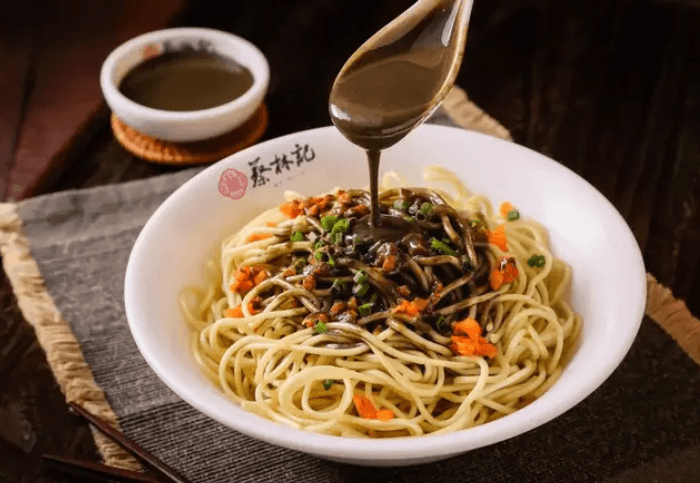
- Hot Dry Noodles (Re Gan Mian): The quintessential Wuhan dish. Alkaline noodles coated in a rich, savory sesame paste, topped with pickled radish and chives.
- Mianwo: A savory, deep-fried donut made of rice and soy milk batter with scallions.
- Doupi: A complex “pancake” of bean skin filled with sticky rice, minced meat, and mushrooms.
Explore Industrial Heritage at Hanyang 824
Taking a cue from Beijing’s 798 Art District, Hanyang 824 is a creative park built within the skeletal remains of old industrial factories. It represents Wuhan’s transition from a heavy industrial “Steel City” to a modern creative hub. It is an excellent spot for photography and seeing how the city’s younger generation is repurposing its manufacturing legacy.
Planning Your Wuhan Itinerary
Navigating a city of 11 million people requires logistics. While the metro system is world-class, the sheer distance between the three towns (Wuchang, Hankou, and Hanyang) can be daunting for first-time visitors.
For those looking to maximize their time—especially business travelers or families—utilizing structured city services can bridge the gap. Professional Wuhan city tour arrangements offer curated transport that connects these disparate sites, ensuring you don’t spend your entire day in transit. Whether you require a private transfer to the East Lake Greenway or a guided historical walk through the Hankou concessions, having a localized logistical partner is highly recommended for an efficient experience.
常見問題
Q: What is the best time of year to visit Wuhan for Things to Do in Wuhan?
A: Spring (March to May) and Autumn (September to November) are ideal. Wuhan is known as one of China’s “Four Furnaces” due to its extreme summer humidity and heat.
Q: Is Wuhan a walkable city?
A: Certain areas, like the Hankou Riverside and the East Lake Greenway, are exceptionally walkable. However, moving between districts requires the metro or a private car due to the massive width of the Yangtze River.
Q: How many days are needed to see the major sites?
A: Two to three days is sufficient for the core cultural sites. One day for Wuchang (Museum and East Lake), one day for Hankou (Concessions and Food), and a half-day for Hanyang (Guiyuan Temple).
Q: Can I visit these sites during a high-speed rail layover?
A: Yes. Wuhan is a major rail hub. If you have a 5-6 hour layover, the Hubei Provincial Museum is the most accessible high-value target from the Wuchang or Wuhan Railway Stations.
Reference Sources
- UNESCO Creative Cities Network: Wuhan – City of Design Profile – Details on Wuhan’s inclusion in the creative network and its industrial design heritage.
- Hubei Provincial Museum (Official Website): Collection of Ancient Instruments – Technical background and history of the Chime Bells of Marquis Yi of Zeng (Note: some sections may require translation).
- The State Council of the People’s Republic of China: Wuhan: The Transport Hub of Central China – Official report on Wuhan’s strategic role in the national high-speed rail and logistics network.
- National Cultural Heritage Administration (NCHA): Protection of Hankou’s Modern Architectural Heritage – Records regarding the preservation of the historic concession buildings in the Hankou riverside district.