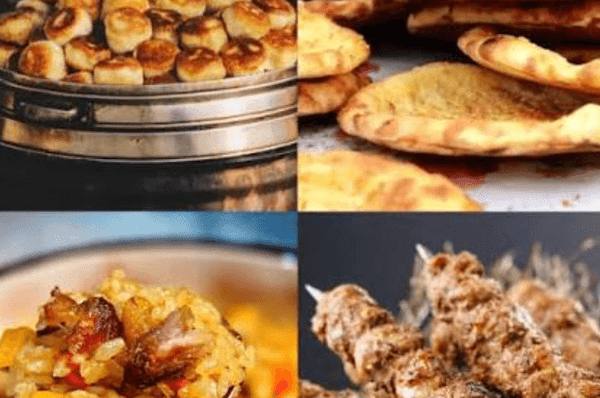
Hunan Cuisine: Famous Dishes, Flavors & Food Guide
Hunan Cuisine, also known as Xiang cuisine, is one of China’s eight major regional culinary traditions. It is known for bold flavors, fresh ingredients, chili, garlic, preserved foods, and cooking methods ranging from stir-frying and steaming to braising and stewing. Official Hunan sources describe the cuisine as varied in ingredients, flavors, and cooking techniques, with distinctive regional styles across the province.
For travelers, Hunan food is more than simply spicy food. A meal in Changsha can be very different from one in western Hunan or around Dongting Lake. Some dishes emphasize fresh chili and aromatic ingredients, while others highlight preserved meats, fish, sour flavors, or local produce.
This Hunan food guide explains what Hunan Cuisine tastes like, which dishes to try, where to experience it, and how it differs from Sichuan cuisine.
What Is Hunan Cuisine?
Hunan Cuisine, or Xiang cuisine, developed across Hunan Province in central-southern China. The province’s varied geography and agricultural resources have contributed to a broad culinary tradition.
Hunan cuisine is traditionally associated with bold, savory and aromatic flavors, with hot and sour notes appearing frequently. Chili, garlic, ginger, vinegar and preserved ingredients are commonly used, but not every Hunan dish is simply hot.
Hunan’s official tourism information identifies three broad regional styles: the Xiang River basin, the Dongting Lake area, and the mountainous areas of western Hunan. These regions have different ingredients and culinary traditions, which helps explain the variety found under the name “Hunan cuisine.”
The cuisine also has a long history. Hunan government sources note that cooking techniques were already highly developed in the region more than 2,000 years ago, with evidence of methods such as frying, stewing, steaming, braising and curing found in archaeological discoveries.
What Is Hunan Cuisine Known For?
Hunan food is often recognized for several characteristics.
Chili and Bold Flavors
Chili is an important ingredient in many Hunan dishes, but the type and preparation can vary. Fresh, dried and preserved chilies may produce different flavors and levels of heat.
The goal is not always to make a dish as hot as possible. Chili is often combined with garlic, ginger, vinegar, fermented ingredients or other seasonings to create a stronger overall flavor.
Fresh and Local Ingredients
Hunan has extensive agricultural and freshwater resources, and local cooking makes use of vegetables, rice, freshwater fish, pork, poultry and other regional ingredients.
The official Hunan government food guide highlights the variety of ingredients used across the province and the importance of regional specialties.
Preserved and Cured Foods
Preservation is another important part of Hunan food culture.
Cured meats, preserved fish and pickled vegetables are particularly associated with some areas of western Hunan. These foods add salty, smoky, sour or fermented flavors and can be found in both traditional dishes and everyday meals.
Different Cooking Methods
Hunan cuisine includes much more than stir-frying. Steaming, braising, stewing, roasting and curing are also important.
This variety is one reason why two Hunan dishes can taste very different even when both contain chili.
Famous Hunan Dishes to Try
If you are visiting Hunan for the first time, these dishes are a useful starting point.
1. Steamed Fish Head with Chopped Chili
Steamed fish head with chopped chili, or duo jiao yu tou (剁椒鱼头), is one of the best-known Hunan dishes.
A fish head is steamed with chopped chili, creating a dish that combines the natural flavor of the fish with the salty, spicy and aromatic character of the chili topping.
It is commonly served as a shared dish, making it a good choice when dining with several people.
2. Stir-Fried Pork with Chili
Often translated as stir-fried pork with chili peppers, this dish combines sliced pork with fresh chili and aromatic seasonings.
It is a classic example of Hunan cooking because the ingredients are relatively simple while the finished dish has a strong, direct flavor.
It is also one of the dishes specifically identified by Hunan’s official sources as a representative Hunan specialty.
3. Chairman Mao’s Red-Braised Pork
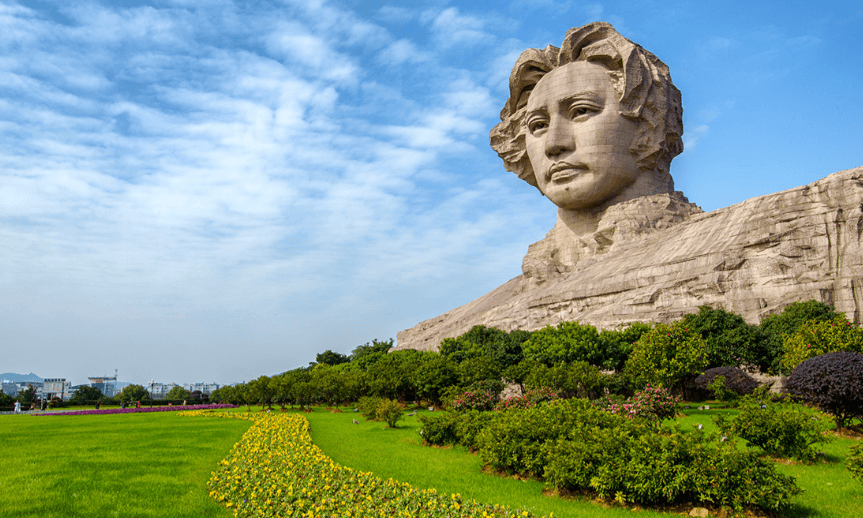
Chairman Mao’s red-braised pork, commonly associated with Mao Zedong’s hometown of Shaoshan in Hunan, is a rich braised pork dish.
Pork belly is slowly cooked with seasonings to develop a deep color and savory-sweet flavor. It is quite different from the lighter, chili-forward dishes that many visitors initially associate with Hunan food.
4. Changsha Stinky Tofu
Changsha stinky tofu is one of the city’s best-known street foods.
The fermented tofu has a strong aroma, while the finished snack is usually crisp on the outside and soft inside. It is commonly served with spicy or savory toppings.
If you are exploring Changsha’s food scene, this is one of the snacks worth trying even if the smell is initially surprising.
Hunan’s official tourism information lists Changsha stinky tofu among the region’s representative foods.

5. Dong’an Chicken
Dong’an chicken comes from Dong’an County in Hunan and is another traditional dish associated with Xiang cuisine.
Chicken is prepared with seasonings that create a distinctive combination of savory, sour and spicy flavors. It is a useful choice for travelers who want to explore Hunan cuisine beyond the most internationally familiar dishes.
6. Hunan Preserved Meats
Preserved meats are particularly associated with western Hunan and are an important part of the region’s food culture.
Depending on the locality, visitors may encounter preserved pork, sausage, fish and other cured products. These dishes can have a stronger smoky and savory character than fresh-cooked dishes.
Hunan’s official tourism information specifically highlights cured delicacies from western Hunan as foods worth trying.
7. Tang You Baba
Tang you baba is a traditional Hunan snack made from glutinous rice and coated or cooked with sugar.
Compared with the strongly savory dishes for which Hunan is famous, this snack provides a sweeter option and can be a useful addition to a food-focused itinerary.
It is also listed by the Hunan government among representative local snacks.

What Does Hunan Food Taste Like?
There is no single flavor that describes every Hunan dish.
In general, Hunan food can combine:
- Spicy flavors from fresh, dried or preserved chili
- Savory flavors from meat, fish and fermented ingredients
- Sour notes from vinegar and pickled ingredients
- Aromatic flavors from garlic, ginger and other seasonings
- Smoky or salty flavors from preserved foods
- Fresh flavors from vegetables and local ingredients
This variety is important when ordering Hunan food for the first time.
If you do not eat very spicy food, do not assume that every dish will be extremely hot. Instead, ask the restaurant about the spice level and choose dishes based on the ingredients as well as the cooking style.
Hunan Cuisine vs. Sichuan Cuisine
Hunan and Sichuan cuisines are both well known for spicy dishes, so they are sometimes confused by international visitors. However, they have different flavor profiles and culinary traditions.
| Feature | Hunan Cuisine | Sichuan Cuisine |
|---|---|---|
| Chinese name | Xiang cuisine | Chuan cuisine |
| Main region | 湖南 | 四川 |
| Common flavors | Spicy, savory, sour, aromatic | Spicy, savory, numbing, aromatic |
| Chili | Widely used | Widely used |
| Sichuan peppercorn | Not the defining ingredient | A key ingredient in many dishes |
| Preserved foods | Important in some regional dishes | Also used, but with different traditions |
| Typical impression | Direct, bold and often chili-forward | Layered flavors with the characteristic “mala” sensation |
The biggest difference for many visitors is Sichuan peppercorn. Its characteristic numbing sensation is strongly associated with Sichuan cuisine, while Hunan cuisine tends to emphasize fresh or preserved chili and other aromatic ingredients.
That does not mean every Hunan dish is hotter than every Sichuan dish. The actual spice level depends on the individual recipe and restaurant.
Where to Try Hunan Cuisine
Changsha
Changsha is one of the best places to explore Hunan food.
As the provincial capital, the city offers everything from traditional restaurants to casual eateries and street snacks. Visitors can try dishes such as stir-fried pork with chili, steamed fish head with chopped chili, Changsha stinky tofu and tang you baba.
For a first-time visitor, Changsha works particularly well as a food-focused stop because several styles of Hunan food can be experienced without traveling far between different parts of the province.
Zhangjiajie
If you are visiting Zhangjiajie, Hunan cuisine can easily become part of the trip.
The local food culture also includes Tujia influences. Hunan government tourism information highlights regional specialties such as three-item pot and other dishes using preserved meats, tofu, vegetables and local ingredients.
This makes Zhangjiajie an interesting destination for travelers who want to combine natural scenery with regional food.
For a wider trip-planning perspective, see SinoTrip’s Best Hunan Tours: Expert Guide to Zhangjiajie & Beyond.
Western Hunan and Fenghuang
Western Hunan has its own culinary traditions influenced by the region’s geography and ethnic communities.
Fenghuang and surrounding areas are associated with foods such as Miao-style cured meat, sour soup fish, fried shrimp cakes and other local specialties. Hunan’s official tourism information describes these foods as part of the region’s distinctive culinary culture.
This makes western Hunan particularly interesting for travelers who want to connect food with local history, ethnic culture and traditional lifestyles.
How to Order Hunan Food
Ordering Hunan food can be easier if you understand a few practical points.
Ask About Spice Level
If you are sensitive to chili, tell the restaurant before ordering.
A dish that sounds mild from its English translation may still contain fresh or preserved chili.
Order Several Dishes to Share
Many Hunan dishes are designed to be shared.
For two or three people, it can be more useful to order several smaller dishes with different flavor profiles rather than ordering one large spicy dish.
For example, you could combine:
- One chili-based meat dish
- One fish dish
- One vegetable dish
- One preserved-food specialty
- One snack or dessert
This gives you a better idea of the range of Hunan cuisine.
Try More Than One Type of Dish
Do not judge Hunan food based on a single spicy dish.
A meal that combines steamed, braised, stir-fried and preserved foods can provide a much more balanced introduction to the cuisine.
Mention Dietary Restrictions Clearly
If you have food allergies or dietary restrictions, explain them clearly when ordering. Ingredients and preparation methods can vary between restaurants, so do not rely only on an English menu description.
Planning a Hunan Food Trip
A food-focused trip to Hunan does not need to be completely separate from a sightseeing itinerary.
A simple route might combine Changsha with Zhangjiajie, allowing you to experience both urban Hunan food culture and the regional cuisine of western Hunan.
For travelers who want to explore more of the province, additional destinations can be selected according to specific food interests. Hunan’s official tourism information also highlights culinary routes and regional specialties in places such as Yiyang, Yongzhou, Yueyang, Chenzhou and Loudi.
When planning a food-focused itinerary:
- Check restaurant locations before building your daily route.
- Leave enough time for meals rather than treating food as an afterthought.
- Try both well-known dishes and regional specialties.
- Ask about spice levels before ordering.
- Consider local markets and traditional snack streets where appropriate.
- Avoid scheduling long-distance transfers immediately before important meals.
- Check current restaurant hours and reservation requirements before visiting.
If you are combining food with a wider Hunan itinerary, SinoTrip’s Hunan Tour guide can be used as a starting point for connecting culinary stops with sightseeing.
Frequently Asked Questions About Hunan Cuisine
What is Hunan cuisine known for?
Hunan cuisine is known for bold flavors, chili, garlic, fresh ingredients, preserved foods, and cooking methods such as stir-frying, steaming, braising, stewing and curing. Hot and sour flavors are common, but Hunan food includes a wide range of tastes and dishes.
Is Hunan food very spicy?
Many Hunan dishes contain chili, but not every dish is extremely spicy. The level of heat depends on the recipe, ingredients and restaurant. Travelers who prefer milder food should ask about the spice level before ordering.
What are the most famous Hunan dishes?
Some well-known examples include steamed fish head with chopped chili, stir-fried pork with chili, Chairman Mao’s red-braised pork, Dong’an chicken, Changsha stinky tofu, Hunan preserved meats and tang you baba.
What is the difference between Hunan and Sichuan cuisine?
Both cuisines use chili, but Sichuan cuisine is particularly associated with Sichuan peppercorn and the numbing “mala” sensation. Hunan cuisine often places greater emphasis on fresh or preserved chili, bold savory flavors, and sour or aromatic notes.
Where is the best place to try Hunan cuisine?
Changsha is a strong choice for a first introduction to Hunan food, while Zhangjiajie and western Hunan offer additional regional specialties. The best destination depends on whether you want classic Xiang cuisine, street food, or local dishes connected with specific regions.
Can I enjoy Hunan food if I do not eat spicy food?
Yes, although you should check each dish individually. Hunan cuisine includes steamed, braised, preserved and other dishes that do not necessarily rely on intense chili heat. Asking the restaurant about spice levels is the safest approach.
最終想法
Hunan Cuisine is much more diverse than its reputation for spicy food suggests. Chili is important, but so are fresh ingredients, preserved foods, regional traditions and different cooking methods.
For first-time visitors, Changsha offers an accessible introduction to classic Hunan dishes, while Zhangjiajie and western Hunan provide opportunities to explore regional and ethnic food traditions alongside sightseeing.
The best way to experience Hunan food is to try several types of dishes rather than judging the cuisine from one meal. Combine spicy and non-spicy options, explore local specialties, and allow enough time to enjoy food as part of the travel experience rather than simply another item on the itinerary.
References