
Selecting a proper Great Wall tour from Beijing requires strict logistical evaluation. International travelers often face significant friction regarding transit, crowd density, and ticketing infrastructure. The Mutianyu section provides the highest operational efficiency for day trips. It balances historical preservation with modern accessibility standards.
Located in Huairou District, this segment connects with Juyongguan in the west. It extends toward the Gubeikou section in the east. Historically, it served as a critical military passage for safeguarding Beijing. Today, it offers a streamlined visitor experience.
Planning this excursion demands attention to specific variables. Transport mechanisms, weather conditions, and physical stamina dictate your optimal route. Proper commercial package selection can eliminate common transit bottlenecks. This guide breaks down the essential planning parameters for your upcoming trip.
What Makes Mutianyu the Optimal Great Wall Tour?
Evaluating Great Wall segments requires analyzing visitor throughput and infrastructure. Badaling suffers from extreme crowd saturation during peak seasons. Jiankou offers raw authenticity but lacks basic safety infrastructure. Mutianyu occupies the ideal middle ground for a standard Great Wall tour.
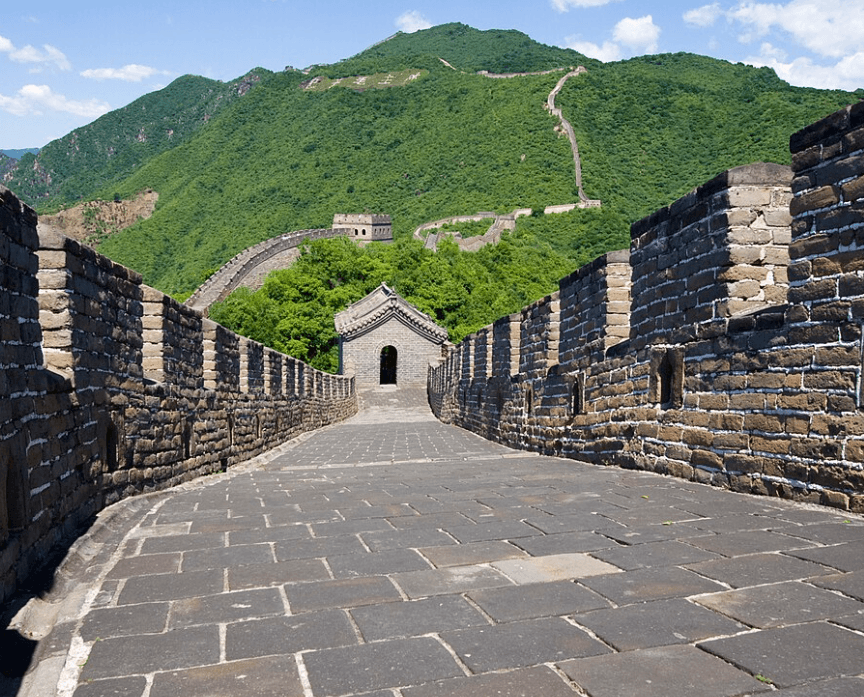
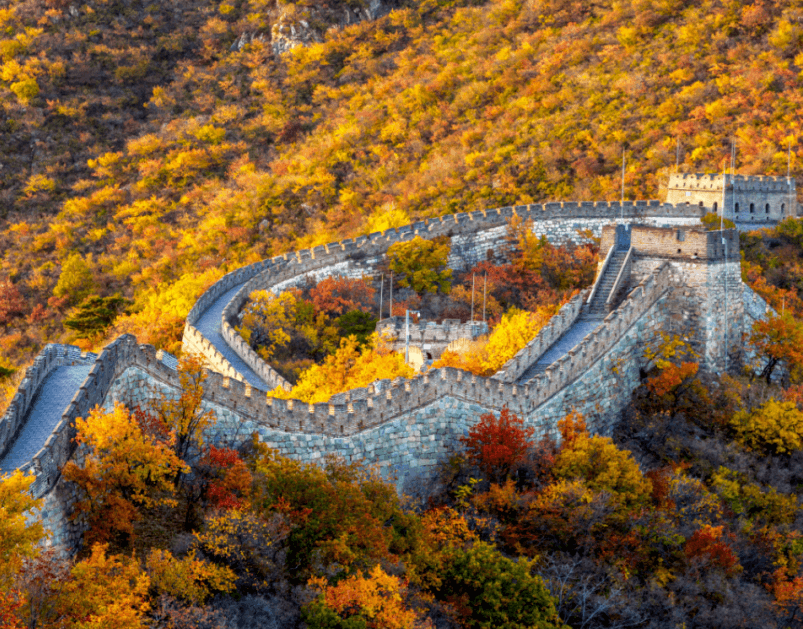
The currently accessible tourist zone spans approximately 2,250 meters. Within this relatively compact operational area, you will find 22 distinct watchtowers. This density of defensive structures is highly unusual. It provides excellent architectural visibility without excessive hiking.
A key structural highlight exists between Platform 1 and Platform 4. Platform 1 is known locally as Dajiaolou. Platform 4 is designated as Zhengguan Terrace. Within this 500-meter stretch, four massive watchtowers stand in close proximity. Three watchtowers actually stand side-by-side on one single platform at Zhengguan Terrace.
This specific architectural layout is rarely found in other defensive sections. It allows visitors to experience complex military engineering efficiently. The wall here is also relatively flat and consistently paved. This makes navigation significantly easier for diverse age groups.
Ascent Mechanisms: Cable Car vs Chairlift
Bypassing the pedestrian hike requires selecting a mechanical ascent option. The scenic area operates two independent transit systems. They begin from separate ticket checkpoints at the base. You must evaluate these options based on your desired hiking route.
The North Checkpoint services the enclosed cableway system. This modern gondola transports visitors directly to Platform 14. It operates continuously and offers high hourly passenger throughput. This is the most efficient choice for older travelers or families.
The South Checkpoint features an open-air chairlift system. This mechanism drops passengers near Platform 6. The chairlift provides unobstructed views during the ascent. However, it requires a higher tolerance for heights and environmental exposure.
Your descent mechanism should also influence this decision. The South Checkpoint connects directly to the metal toboggan slide. The toboggan offers a gravity-fed descent controlled by a manual handbrake. It remains the most popular commercial attraction for younger demographics.
Ascent Mechanism Comparison
| Transport Type | Base Location | Terminal Point | Target Demographic | Peak Wait Time |
| Enclosed Cable Car | North Checkpoint | Platform 14 | Seniors, Families | 15-25 minutes |
| Open Chairlift | South Checkpoint | Platform 6 | Adventure Seekers | 10-20 minutes |
| Toboggan Slide | South Checkpoint | Base Station | Younger Travelers | 30-45 minutes |
| Pedestrian Path | Both Checkpoints | Platforms 8 or 10 | High Stamina | Zero |
Structuring Your Navigation Route
Touring the wall requires a predefined navigational workflow. Wandering without a target destination often leads to physical exhaustion. Visitors must align their entry points with their physical capabilities. Most structured itineraries favor specific directional flows.
Route A targets maximum elevation and dramatic scenery. You ride the North cable car up to Platform 14. From there, you hike northwest toward Platform 22. This section becomes progressively steeper as it approaches the unrestored zones.
Route B focuses on architectural density and the toboggan descent. You take the South chairlift up to Platform 6. You then hike southeast down toward Platform 1 (Dajiaolou). After exploring the clustered watchtowers, you return to Platform 6 for the toboggan ride.
Route C represents the complete pedestrian challenge. You bypass mechanical transport and utilize the 1,500-meter stepped pathways. The North path leads to Platforms 8 and 10. The South path terminates near Platforms 6 and 8. Only select this if you possess excellent cardiovascular conditioning.
Managing Environmental and Timing Variables
Environmental factors heavily impact the quality of your excursion. The microclimate in Huairou District differs slightly from central Beijing. Wind speeds on the exposed ridges reduce the perceived temperature significantly. Layered technical clothing is always recommended for this environment.
Lighting conditions dictate the optimal arrival time for photography. Early morning arrivals ensure minimal atmospheric haze. Late afternoon visits provide excellent directional lighting across the brickwork. Mid-day overhead sunlight generally washes out architectural contrast in photographs.
Crowd dynamics shift predictably throughout the operational day. Commercial bus fleets typically arrive between 10:00 AM and 11:30 AM. Arriving precisely at the 7:30 AM opening time guarantees structural isolation. Alternatively, arriving after 2:30 PM allows you to bypass the departing commercial groups.
Commercial Procurement: Evaluating Tour Packages
Organizing independent transit from central Beijing introduces significant logistical friction. Public transit requires navigating multiple bus transfers at Dongzhimen hub. Ride-hailing applications face dynamic pricing and return-trip availability issues. Booking a consolidated Great Wall tour package mitigates these operational risks.
A structured commercial provider manages the baseline transportation and ticketing interfaces. This is highly recommended for travelers lacking local language proficiency. The 慕田峪長城一日遊 package by SinoTrip offers an optimal baseline solution. Priced aggressively at $48.19, it functions as a highly efficient logistical bridge.
This specific package eliminates the friction of navigating Beijing’s outer transit rings. It drops you directly at the commercial staging area. You avoid the standard delays associated with public bus routing. Visitors retain their energy for the actual physical ascent.
When evaluating such packages, confirm the exact operational inclusions. Standard baseline packages cover round-trip vehicular transit and basic entry. Mechanical ascent tickets are often handled separately on-site. This allows you flexibility to choose the cable car or the toboggan upon arrival.
Utilizing a dedicated operator ensures predictable scheduling. You receive a guaranteed departure time and a confirmed return manifest. This operational certainty allows you to plan evening activities in Beijing without transit anxiety. It transforms a complex logistical puzzle into a straightforward consumer transaction.
常見問題
How far in advance should I book a commercial Great Wall tour?
During standard operational months, booking 48 to 72 hours prior is sufficient. During Chinese national holidays, you must secure reservations at least 14 days in advance. Ticket quotas are strictly enforced by the municipal government.
Does the $48.19 package include the toboggan ride?
Baseline transit packages generally exclude internal mechanical transport fees. The toboggan, chairlift, and cable car operate as independent commercial entities. You will procure these specific ascent tickets upon reaching the base staging area.
What is the minimum physical requirement for this specific location?
The cable car drops you directly on the paved surface. However, navigating between watchtowers still requires managing uneven stone stairs. Visitors must possess baseline mobility to handle steep gradients safely.
Are there customization options for corporate or large group bookings?
Yes, commercial operators routinely scale their logistics for larger deployments. You can request customized departure times or private vehicular transit. Contact the service provider directly to request an RFQ for customized group itineraries.
How long does the vehicular transit take from central Beijing?
Under optimal highway conditions, the transit requires approximately 90 minutes. Heavy morning commuter traffic can extend this duration to 120 minutes. Providers actively monitor traffic patterns to optimize their departure windows.
Reference Sources
- UNESCO World Heritage Centre: The Great Wall – Outstanding Universal Value and historical parameters.
- Beijing Municipal Bureau of Culture and Tourism: Official operational guidelines and capacity limits for Huairou District attractions.
- China National Tourism Administration (CNTA): Infrastructure ratings and AAAAA scenic area classifications for Mutianyu.