
A well-planned Beijing Itinerary balances ancient palaces, famous landmarks, and local street life. Grouping nearby places together saves time and helps you avoid heavy traffic. Most visitors divide the city into central, northern, and southern areas.
Beijing is a huge city, so a clear travel route is essential for new visitors. Key sites require real-name passport booking, so reserve your tickets early. With simple planning, three full days are enough to enjoy the top UNESCO sites comfortably.
How to Spend 3 Days in Beijing: A Realistic Day-by-Day Route
Day 1: Central Imperial Core
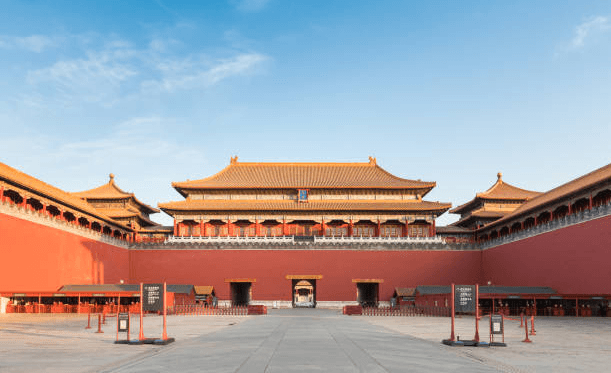
Start your first morning early at Tiananmen Square, the immense civic heart of modern China. Walk directly through the Meridian Gate into the Forbidden City, home to twenty-four Ming and Qing emperors. Plan to spend three hours exploring its magnificent ceremonial halls and secluded inner courtyards.
Exit the northern gate of the Palace Museum and climb the hill inside Jingshan Park. The summit pavilion provides a panoramic 360-degree view over the yellow tile roofs of the Forbidden City. Conclude your evening strolling through the vibrant pedestrian avenues of Wangfujing or historic Dashilan to sample local cuisine.
Day 2: Suburban Ramparts and Royal Gardens
Dedicate your second day to visiting the Great Wall of China at Mutianyu, located 70 kilometers northeast of downtown. Mutianyu offers preserved watchtowers, lush mountain scenery, and convenient cable cars or toboggan rides. Arriving early in the morning helps you beat peak tour crowds and capture serene photos.
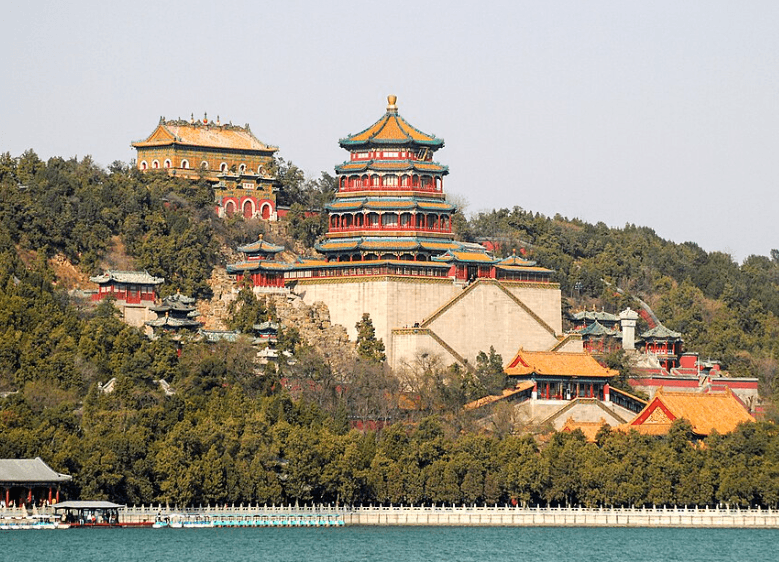
Return toward downtown in the afternoon to visit the Summer Palace, the former royal retreat of the Qing Dynasty. Wander along the Long Corridor and admire the ornate marble boat beside Kunming Lake. Finish your day enjoying roasted Peking Duck at a traditional local restaurant.
Day 3: Sacred Temples and Historic Alleyways
Begin day three at the Temple of Heaven, where imperial emperors performed annual rituals for good harvests. The surrounding park comes alive in the morning with local residents practicing Tai Chi, calligraphy, and traditional music. Explore the Hall of Prayer for Good Harvests to appreciate its timber-frame architecture constructed without nails.
In the afternoon, immerse yourself in the narrow alleyways known as hutongs surrounding the Drum and Bell Towers. Walk through Shichahai or Nanluoguxiang to discover traditional courtyard homes, craft shops, and quiet tea houses. End your 3-day journey with a relaxing evening walk near Houhai Lake.
Pacing Your Trip: Imperial Core, Great Wall, and Cultural Alleyways
Executing an efficient travel schedule requires understanding spatial distances between suburban mountains and central historic districts. Grouping sight-seeing locations by geographic proximity prevents unnecessary backtrack travel across the city.
| Day | Primary Focus Zone | Top Attractions Included | Recommended Mode of Transit | Suggested Daily Duration |
| Day 1 | Central Imperial Axis | Tiananmen Square, Forbidden City, Jingshan Park | Beijing Subway / Walking | 7–8 Hours |
| Day 2 | Suburban & Royal Gardens | Mutianyu Great Wall, Summer Palace | Private Transfer or Direct Bus | 8–9 Hours |
| Day 3 | South & Old Quarters | Temple of Heaven, Beijing Hutongs, Houhai | Subway / Taxi / Walking | 6–7 Hours |
Physical stamina is an essential consideration when walking through large imperial sites. Visitors often walk between six and ten miles daily inside vast compounds like the Forbidden City and Summer Palace. Wearing comfortable walking shoes and carrying hydration ensures a pleasant experience throughout your sight-seeing schedule.
Seasonal timing also impacts your travel experience significantly. Autumn, specifically September and October, brings crisp air, clear skies, and comfortable temperatures for outdoor walking. Spring offers blooming flowers across imperial gardens, while winter brings fewer crowds and discounted accommodation rates.
Navigating Beijing Itinerary Logistics: Tickets, Apps, and Transit
Navigating China’s capital requires advance planning due to real-name identity verification policies at national monuments. Major sites like the Forbidden City release entry tickets seven days prior to arrival. Overseas travelers must register their official passport information accurately during the online ticketing process.
Digital connectivity and mobile applications play a major role in modern Chinese urban transit. Downloading WeChat or Alipay allows seamless mobile payment integration for metro rides, taxis, and small vendors. Setting up electronic payment accounts prior to departure eliminates transaction difficulties upon arrival.
Public transit in Beijing is fast, clean, and extremely affordable for daily travel. The extensive Beijing Subway system covers almost all urban landmarks with clear English signage. For suburban trips to the Great Wall, booking private transportation saves considerable transit time compared to public buses.
Optimizing Your Beijing Travel Route with Local Expertise
While independent travel in Beijing is manageable, managing multiple entry reservations and suburban transit can become complex. Coordinating ticket releases across strict time windows often creates stress for first-time visitors. Professional travel arrangements eliminate these administrative hurdles entirely.
Custom tour packages and private guide services provide door-to-door transportation, licensed English-speaking commentary, and pre-arranged attraction tickets. Securing expert local routing allows you to focus purely on enjoying Beijing’s rich three-thousand-year history. This approach maximizes limited vacation time while ensuring smooth transfers between spread-out attractions.
Travelers seeking tailored local packages, pre-booked tickets, and private transfers can explore customized solutions on SinoTrip’s Beijing Tour Category. These curated travel services streamline day-by-day travel logistics, ensuring a stress-free capital city experience.
常见问题
Is 3 days sufficient to see Beijing’s main highlights?
Three days provide enough time to tour top UNESCO sites, including the Great Wall, Forbidden City, and Temple of Heaven. Grouping attractions geographically allows you to experience iconic imperial landmarks and historic hutongs without feeling rushed.
How far in advance should Forbidden City tickets be reserved?
Tickets for the Forbidden City open seven days before the visit date at midnight local time. Due to daily visitor limits, advance booking using your passport details is mandatory before arriving in Beijing.
Which Great Wall section is recommended for a short 3-day visit?
Mutianyu is the ideal choice for a 3-day trip due to its scenic views, cable car access, and moderate crowds. It lies roughly ninety minutes from central Beijing and offers restored watchtowers suitable for all physical activity levels.
What digital tools are necessary for traveling around Beijing?
Alipay and WeChat are essential for digital payments, ride-hailing, and subway QR payments. Downloading a reliable translation app and offline navigation maps helps overcome language barriers during daily city transit.
Reference Sources
- UNESCO World Heritage Centre – Historic Centre of Beijing (Forbidden City, Temple of Heaven, Summer Palace)
- Beijing Municipal Bureau of Culture and Tourism – Official Beijing Tourism Information & Cultural Heritage
- National Immigration Administration of China – Official Guide on 144-Hour Visa-Free Transit Entry Requirements