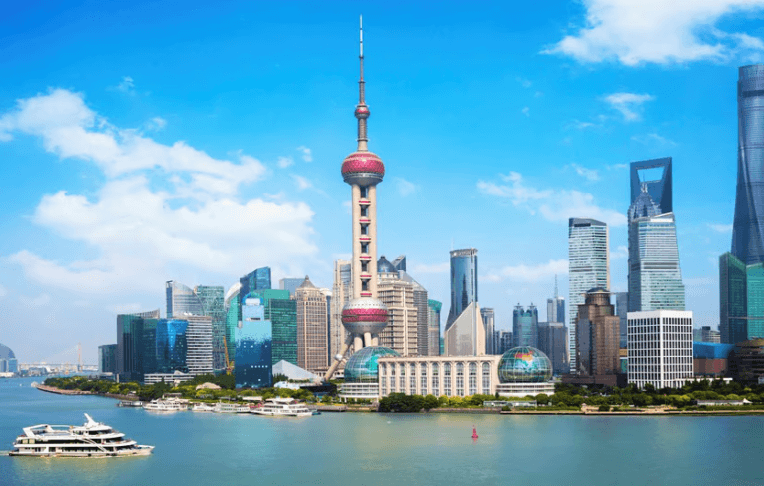
As China’s financial heart and a strategic logistical powerhouse, Shanghai is the premier gateway for international travelers. This Shanghai Travel Guide leverages the 144-hour visa-free transit to explore the city’s “Haipai” culture, from the Pudong skyline to the French Concession. Master the world’s largest metro and navigate urban planning with professional precision using this definitive Shanghai Travel Guide.
What Defines the Shanghai Experience?
Shanghai is geographically and culturally bisected by the Huangpu River. To understand the city’s layout, one must recognize the distinction between Puxi (West of the River) and Pudong (East of the River).
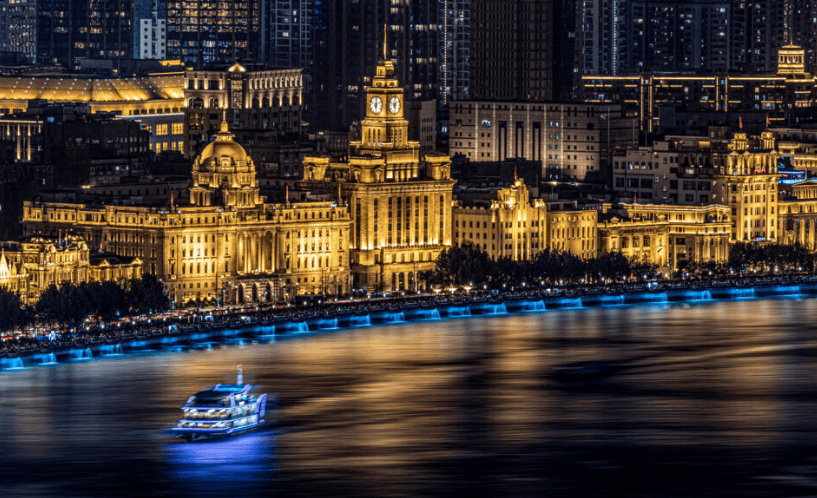
- Puxi: The historic core. It houses the Former French Concession, the traditional Shikumen (stone-gate houses), and the neo-classical colonial architecture of the Bund.
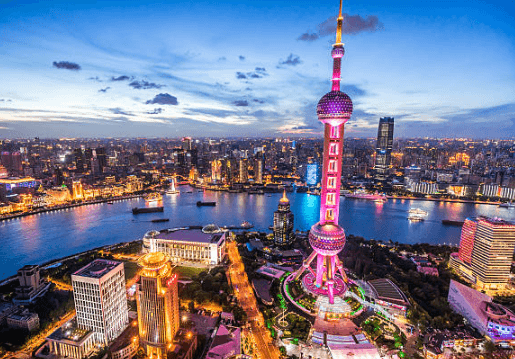
- Pudong: The Special Economic Zone. Developed primarily after 1990, this area is a forest of glass and steel, home to the Lujiazui financial district and some of the world’s tallest skyscrapers.
From an urban planning perspective, Shanghai is a “polycentric” city. Rather than having a single downtown, it operates through multiple high-density hubs, each serving specific commercial and cultural functions.
Navigating the Megacity: Logistics and Infrastructure
For the professional traveler, efficiency is paramount. Shanghai’s infrastructure is designed to move millions of people daily with surgical precision.
The Shanghai Metro System
With over 800 kilometers of track, the Shanghai Metro is the longest rapid transit system in the world.
- Operational Logic: Trains are frequent (often every 2-3 minutes during peak hours).
- Accessibility: Almost every major landmark, including those listed on specialized Shanghai city routes, is within a 10-minute walk of a metro station.
- الدفع: Use the “Shanghai Metro” app or integrated “Alipay/WeChat” transport codes for contactless entry.
High-Speed Rail and Maglev
Shanghai serves as the primary hub for the Yangtze River Delta.
- The Maglev: Connecting Pudong International Airport (PVG) to Longyang Road, this is the world’s fastest commercial high-speed electric train, reaching speeds of 300–430 km/h.
- Railway Stations: Shanghai Hongqiao is a massive intermodal hub connecting the airport, metro, and high-speed rail (HSR) lines to Suzhou, Hangzhou, and Nanjing in under an hour.
Strategic Neighborhoods: A Guide to Shanghai’s Districts
Any comprehensive Shanghai Travel Guide will tell you that the secret to a perfect trip lies in the location; selecting the right district is a matter of matching your “travel persona” with the city’s diverse urban environments:
- The Bund & Huangpu: Ideal for the History Buff who wants European architecture and premium hospitality at the city’s traditional heart.
- Jing’an: Perfect for the Luxury Shopper looking for high-end corporate vibes and hidden temples.
- Xuhui / Former French Concession: The go-to for the Culture Enthusiast seeking tree-lined lanes, boutique cafes, and a Tudor-style residential atmosphere.
- Lujiazui, Pudong: The choice for the Business Traveler or futurist wanting to stay among the world’s tallest skyscrapers and economic powerhouses.
Why Shanghai Architecture Reflects its History
The city’s “East meets West” identity is embedded in its structures.
- Shikumen Architecture: These are unique 19th-century townhouses that combine Western layout logic with Chinese “Skywell” (courtyard) concepts. You can see preserved examples in areas like Xintiandi or Tianzifang.
- Art Deco Influence: In the 1930s, Shanghai had more Art Deco buildings than any city in the world. The Park Hotel and the Cathay Hotel (now the Fairmont Peace Hotel) are landmark examples of this era’s engineering and aesthetic.
- Sustainable Verticality: Modern Pudong architecture, specifically the Shanghai Tower, utilizes a double-glass facade and wind turbines, showcasing the city’s commitment to modern green building standards.
Essential Cultural Logic for First-Time Visitors
To navigate Shanghai like a local expert, keep these practical realities in mind:
- The Cashless Economy: China is almost entirely cashless. Ensure you have Alipay or WeChat Pay set up with an international credit card before arrival.
- Connectivity: International roaming or a local SIM with a VPN (or an eSIM like Airalo) is necessary to access non-Chinese websites and apps.
- Seasonality: Shanghai has a humid subtropical climate. The most temperate windows are March to May (Spring) and September to November (Autumn). Summers can be intensely humid with occasional typhoons.
Planning Your Logistics with Local Expertise
While Shanghai is navigable independently, the complexity of its local systems—from booking museum tickets on WeChat mini-programs to navigating “hidden” local neighborhoods—often benefits from professional coordination.
For travelers looking for structured efficiency, local service providers offer specialized logistics. Whether you are looking for airport transfers to bypass the taxi queues or curated historical walks through the Concession, professional Shanghai city services can bridge the gap between being a tourist and experiencing the city as an insider.
الأسئلة الشائعة
Q: Is English widely spoken in Shanghai?
A: In high-end hotels, major tourist hubs, and the Lujiazui financial district, English is common. However, for local transport and smaller restaurants, having a translation app or a pre-written destination card in Chinese is highly recommended.
Q: How many days are needed to see Shanghai?
A: For a comprehensive overview, 3 to 4 days is the standard. This allows for one day in Puxi (The Bund/Old Town), one day in Pudong (Skyscrapers), and one or two days for neighborhoods like the French Concession or a day trip to a nearby Water Town like Zhujiajiao.
Q: What is the best way to get from Pudong Airport (PVG) to the city center?
A: The Maglev is the fastest (8 minutes to the city’s edge), while Metro Line 2 is the most cost-effective but takes about 60–90 minutes. For maximum convenience, especially with luggage, a pre-arranged private transfer is the most efficient logistical choice.
Q: Do I need a visa to visit Shanghai?
A: Many nationalities can take advantage of the 144-hour Visa-Free Transit policy if they are transiting through Shanghai to a third country or region. Always check the latest requirements from the Chinese Consulate or official immigration portals.
Reference Sources:
- Shanghai Municipal Commission of Economy and Informatization – Official Urban Statistics
- Council on Tall Buildings and Urban Habitat (CTBUH) – Shanghai Tower Technical Specifications
- UNESCO World Heritage Convention – Cultural Significance of the Bund
- Shanghai Shentong Metro Group – Network Operations and Data