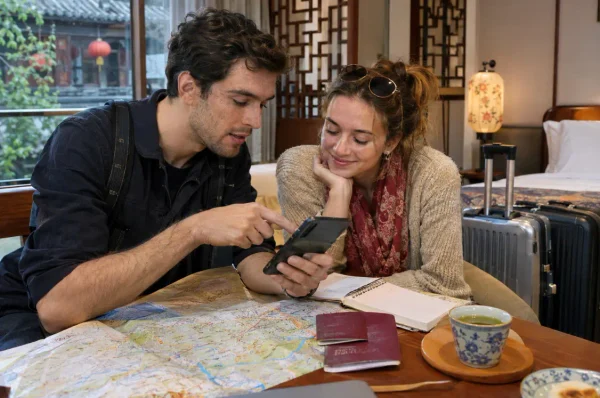
China family travel is easier when you choose a few child-friendly cities, limit hotel changes and leave time to rest. Beijing, Shanghai, Chengdu and Xi’an are good starting points for families visiting China for the first time. Each offers a different mix of culture, food and activities. For a comfortable trip, plan one major attraction each day, use convenient transport and choose hotels near public transit.
Traveling with children also means planning for meals, tickets, internet access and long journeys. However, you do not need to organize every hour. A flexible schedule often works better than a packed sightseeing plan.
1. Best Destinations for China Family Travel
The best destination depends on your children’s ages and interests. Some families enjoy museums and history, while others prefer animals and outdoor activities. For a first trip, consider these four cities.
Beijing: History, Parks and the Great Wall
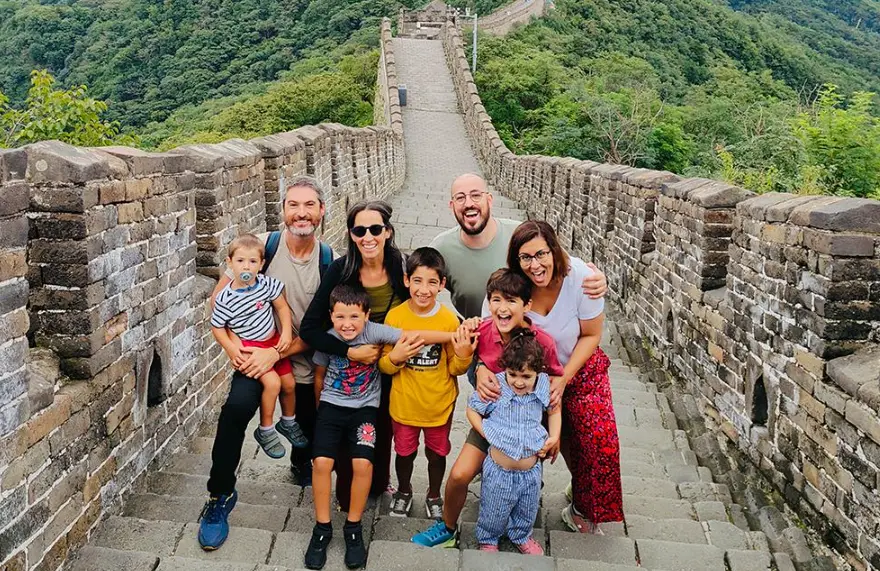
Beijing is a good choice for families interested in Chinese history. Children can see the Forbidden City, explore large parks and walk along selected sections of the Great Wall.
However, major sites involve plenty of walking. At the Great Wall, choose a section and route that match your children’s fitness levels. Mutianyu can be a practical option, but access facilities and weather conditions should be checked in advance.
The Forbidden City requires advance reservations. Therefore, book through the official Palace Museum website before your planned visit. See SinoTrip’s Beijing travel guide for more route-planning advice.
Shanghai: Modern Sights and Easy City Activities
Shanghai offers a mix of modern buildings, museums, parks and family entertainment. The Bund is a popular place for a waterfront walk. In addition, some families may enjoy Shanghai Disneyland or a visit to the city’s science museums.
Choose activities based on the child’s age and the weather. For example, an indoor museum may work better on a very hot or rainy day. Also, check ticket rules and opening times directly with each attraction.
Chengdu: Giant Pandas and Local Culture
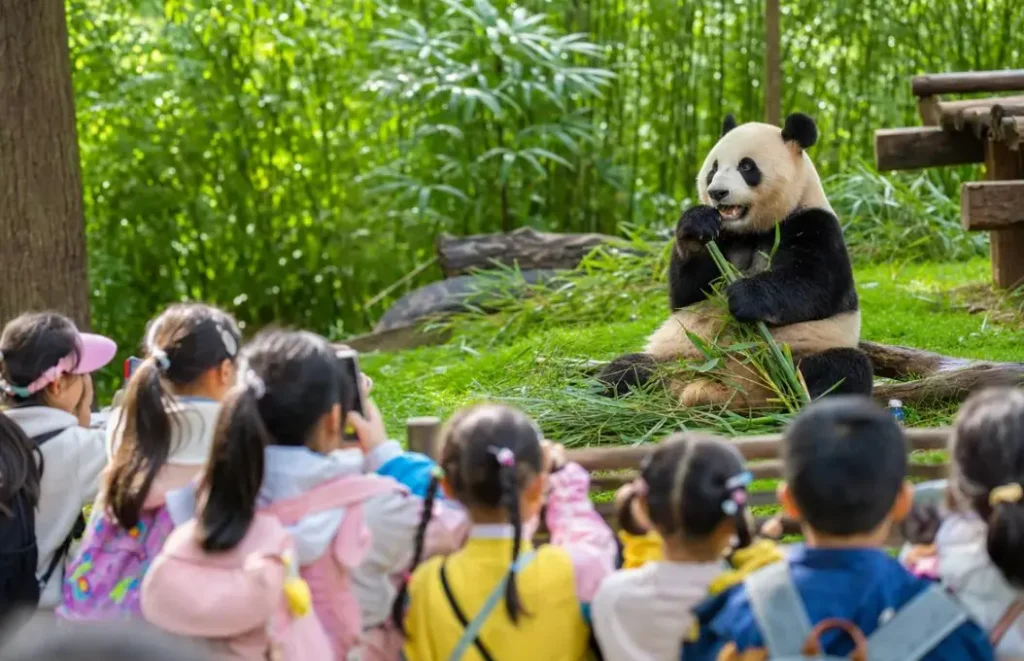
Chengdu is a strong choice for children who love animals. The Chengdu Research Base of Giant Panda Breeding is one of the city’s main attractions. Families can also explore parks and enjoy traditional teahouse culture.
Plan a panda visit earlier in the day when conditions may be cooler. However, panda activity varies, and sightings are never guaranteed. Read SinoTrip’s Chengdu Panda Base guide before planning your visit.
Xi’an: Ancient History and Hands-On Experiences
Xi’an is suitable for older children who enjoy history and cultural activities. The Terracotta Warriors offer an introduction to China’s first imperial dynasty. Families can also explore the Ancient City Wall and traditional streets.
However, younger children may need shorter museum visits. A hands-on cultural activity can help balance the day. SinoTrip’s جولة ثقافية خاصة لمدة 3 أيام في شيان includes historical sites and a craft activity. Check the actual tour inclusions and age suitability before booking.
2. How Many Days Should You Spend in China with Kids?
For most first-time family visits, 10 to 14 days is a useful starting point. This allows time for two or three destinations without rushing every day. Families with toddlers may prefer fewer cities and longer stays.
| Trip Length | Suggested Destinations | Best For |
|---|---|---|
| 5–7 days | Beijing or Shanghai | Young children and short holidays |
| 8–10 days | Beijing and Xi’an, or Shanghai and Chengdu | Families wanting two destinations |
| 11–14 days | Beijing, Xi’an and Chengdu, or another three-city route | Families comfortable with intercity travel |
| More than 14 days | Three or four cities with rest days | Longer school holidays |
These are planning examples, not fixed tour packages. Your children’s ages, sleep schedules and interests should shape the final route. Also, account for jet lag and the time needed to travel between cities.
A Simple 10-Day Family Route
For families visiting China for the first time, Beijing and Shanghai can make a manageable two-city trip. You can spend five days in Beijing, including arrival and a Great Wall outing. Then take a train or flight to Shanghai and spend the remaining days there.
This route reduces hotel changes and leaves room for flexible activities. However, if seeing giant pandas is a priority, consider replacing one city with Chengdu instead.
3. Traveling Around China with Children
Transport is one of the most important parts of a China family vacation. High-speed trains are often convenient between major cities, while flights can save time on longer routes. For families with heavy luggage, direct transfers may also be useful.
Taking High-Speed Trains with Kids
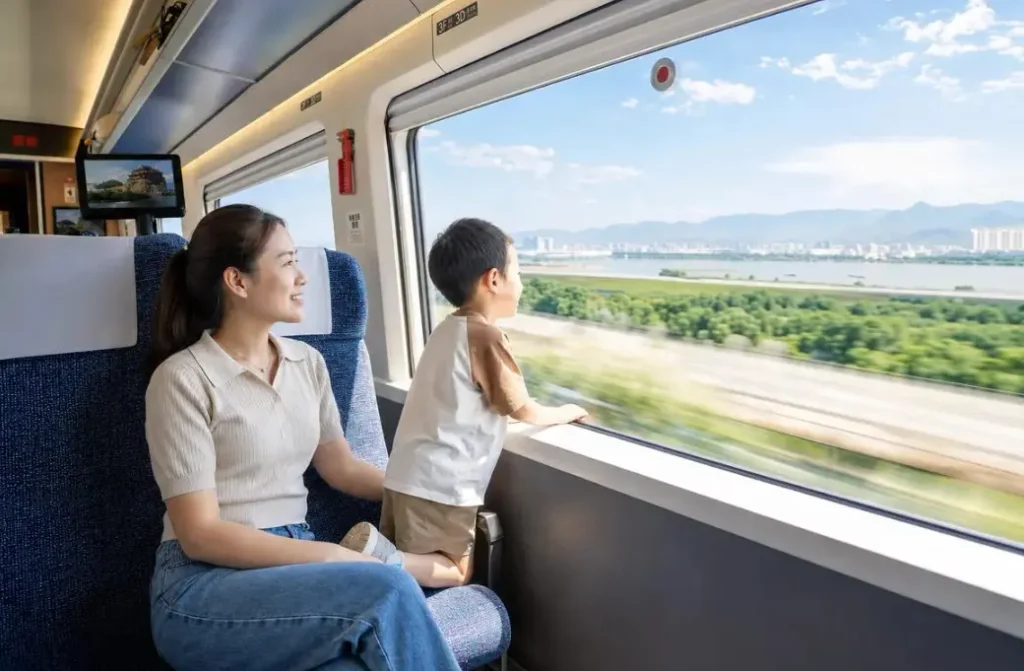
Chinese high-speed trains offer reserved seating, toilets and space to move between carriages when permitted. This can make medium-distance journeys easier than long car rides. However, keep children supervised and follow onboard safety rules.
China Railway 12306 uses age-based child ticket rules:
- Children under 6 may travel free with a ticketed adult if they do not occupy a separate seat. Each adult may bring one such child under the free-travel rule.
- Children aged 6 to under 14 need a child discount ticket.
- Travelers aged 14 and older need a full-price ticket.
- A child under 6 needs a child ticket if they require a separate seat.
Free-travel children must be declared when booking. Bring the valid identity document linked to the child’s ticket or registration. Check the official China Railway 12306 FAQ before purchasing tickets.
Using Taxis and Private Cars
Taxis can be useful when traveling with young children or several suitcases. However, confirm whether a suitable child car seat can be arranged. Do not assume every taxi or booked vehicle provides one.
For family airport transfers, share the number and ages of children before booking. Also, confirm luggage space, pickup details and the availability of suitable safety equipment.
4. Hotels, Food and Daily Comfort
Choosing the right hotel can make a family trip much easier. Look beyond room price and check bed sizes, breakfast options, lift access and nearby transport. A centrally located hotel may also reduce daily travel time.
Choosing a Family-Friendly Hotel
Before booking, check whether the property offers connecting rooms or suitable family rooms. Ask about extra beds, cots and child policies. In addition, confirm whether all guests can register using their passports.
Room names do not always guarantee enough space for everyone. Therefore, check the maximum occupancy and bed layout before paying.
Food and Drinking Water
Chinese food offers many family-friendly choices, including noodles, rice, dumplings and steamed dishes. However, spice levels vary greatly by region. In Chengdu, for example, ask for mild dishes if your children do not enjoy spicy food.
Use bottled or safely boiled water for drinking. If a child has food allergies, carry a clear translation of the ingredients to avoid. Also, keep familiar snacks available for long travel days.
Planning Rest Breaks
Children often need more breaks than adults, especially during hot weather. Plan one main activity in the morning and a lighter activity later. Instead of adding more attractions, allow time for parks, meals and rest.
For toddlers, check stroller access at major sites. Historic areas may have stairs, uneven paths or long walking routes. Therefore, a lightweight carrier may sometimes be more practical than a stroller.
5. Costs, Safety and What to Prepare
A family trip to China can fit different budgets. However, the total cost depends on hotels, transport, attraction tickets and tour services. Age-based discounts also vary between attractions.
What Affects the Family Travel Budget?
- International and domestic flights.
- Hotel room size and extra-bed charges.
- High-speed train tickets and seat classes.
- Children’s attraction tickets and activity fees.
- Private transport, guides and car seats.
- Meals, travel insurance and personal expenses.
Do not assume that every child qualifies for free admission. Some attractions use age limits, while others also require identity checks. Check official ticket rules before preparing your budget.
Travel Documents and Health Preparation
Every family member should have the travel documents required for their nationality and itinerary. Check visa or visa-free entry rules through official channels. Children may also need additional documents when traveling with only one parent or another guardian.
Before departure, review routine vaccinations and any travel health advice with a qualified clinician. Carry required medicines in their original packaging when possible. Also, keep your travel insurance details and emergency contacts available offline.
Mobile Payments and Internet Access
Mobile payments are widely used in China. Eligible international visitors can link supported bank cards to Alipay or WeChat Pay. However, some payment features may not work with foreign-issued cards.
Also, arrange mobile data or suitable roaming before departure. This makes maps, translation and communication easier. Keep cash and offline copies of important booking details as backups.
6. Independent Travel or a Private Family Tour?
Both options can work well for families. Independent travel gives you more control over your plans and spending. However, you need to manage bookings, transport, language support and attraction reservations yourself.
A private family tour may make planning easier, especially for multi-city trips or visits with younger children. Yet service details vary between providers. Compare the actual inclusions before choosing.
| Planning Factor | Independent Travel | Private Family Tour |
|---|---|---|
| Daily schedule | You plan and adjust it | Usually planned with the operator |
| Transport | Book each journey yourself | Depends on package inclusions |
| Language support | Use apps or local assistance | May include a guide |
| Child-friendly pacing | Fully controlled by you | Confirm flexibility before booking |
| السعر | Depends on your choices | Depends on the agreed services |
Before booking a private tour, ask about the daily walking distance, child-friendly activities, guide language and vehicle size. Also, confirm whether tickets, meals, hotels and train journeys are included.
Frequently Asked Questions
Is China a good destination for families with children?
Yes. China offers historical attractions, parks, panda experiences and modern city activities that can suit different ages. However, the best route depends on your children’s interests and comfort with travel. Choose fewer destinations, plan rest time and check attraction rules before departure.
Which city in China is best for young children?
Shanghai and Chengdu are useful options for many families. Shanghai offers parks and indoor attractions, while Chengdu is known for giant pandas and relaxed local culture. Beijing is also rewarding, but some major sites involve long walks. Choose based on age, season and daily energy levels.
Can children travel on high-speed trains in China?
Yes. Children can travel on high-speed trains with adults. Under current 12306 rules, children aged 6 to under 14 need discounted tickets. One child under 6 may travel free with each ticketed adult if the child does not need a separate seat. Bring the required identity documents.
Are private family tours worth it in China?
They can be useful for families who want help arranging transport, guides and daily sightseeing. However, a private tour is not always necessary. Compare the service details, cost, flexibility and child-related arrangements before booking. Independent travel may be suitable for families comfortable planning their own routes.
Successful China family travel depends more on comfort and planning than on visiting every famous attraction. Choose a realistic route, protect your children’s rest time and prepare important bookings before departure.
If you want help comparing routes for your family, contact SinoTrip about your China family trip. Share your children’s ages, travel dates and preferred destinations so the team can discuss suitable available tour options and arrangements.