
Wuhan Food Guide: Navigating Central China’s Culinary Capital
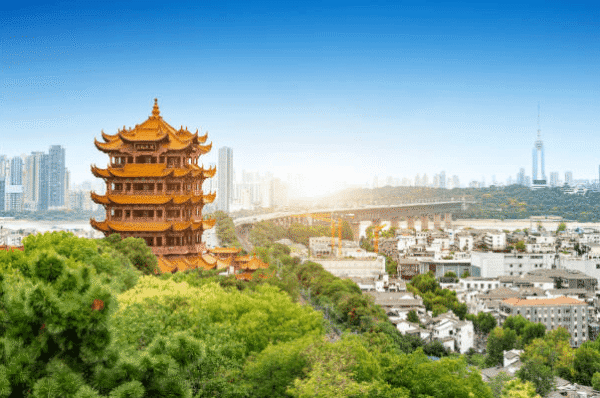
Wuhan stands as a vital crossroads in central China. The city is geographically divided by the Yangtze and Han rivers. This unique positioning creates a culinary melting pot where northern and southern Chinese flavors intersect.
A proper Wuhan food guide must start with the city’s defining morning ritual. Locals practice a tradition called “Guo Zao,” which translates to “passing the morning.” This fast-paced breakfast culture involves eating savory, calorie-dense street food while commuting. Understanding this daily rhythm is essential for any visitor wanting to experience authentic local life.
Wuhan cuisine emphasizes bold, savory, and moderately spicy profiles. It relies heavily on fresh river ingredients and distinct preparation methods. For travelers and cultural explorers, tasting these regional specialties provides immediate insight into the city’s historical significance as a major trading hub.
What Defines Wuhan’s Culinary Identity?
Geography dictates Wuhan’s food culture. Known as the “Thoroughfare of Nine Provinces,” the city historically absorbed culinary techniques from neighboring regions. Sichuan’s spice, Guangdong’s precision, and northern China’s wheat staples all influence local dishes.
Freshwater fish dominates the dinner table. The proximity to the Yangtze River ensures a steady supply of aquatic ingredients. Local chefs excel at steaming, braising, and deep-frying these ingredients to remove muddiness and enhance natural sweetness.
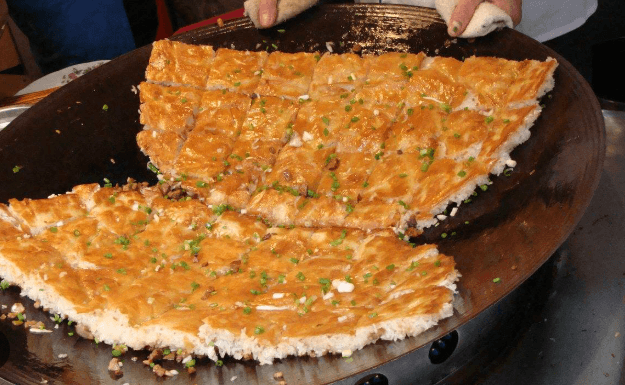
Street food culture operates on a massive scale. High-volume stalls serve thousands of portions daily. This requires efficient preparation methods and standardized flavor profiles. Visitors will notice vendors using specialized wide-mouth woks and bamboo steamers designed for rapid, continuous service.
Must-Try Wuhan Dishes and Local Specialties
To truly understand local flavors, travelers should prioritize specific iconic dishes. These items represent the core of Wuhan’s street food and restaurant menus.
- Hot Dry Noodles (Reganmian): This is the undisputed king of Wuhan breakfast. It features chewy alkaline noodles coated in rich sesame paste. Vendors top it with pickled spicy radish, chili oil, and fresh scallions.
- Sanxian Doupi: A complex, multi-layered savory snack. Chefs spread a thin batter of mung bean and egg over a large flat wok. They then layer it with sticky rice, diced pork, mushrooms, and bamboo shoots before cutting it into squares.
- Spicy Duck Necks: A famous nighttime snack originating from Jingwu Road. The meat is braised in a complex mixture of star anise, cinnamon, dried chilies, and Sichuan peppercorns. It delivers a numbing, spicy kick.
- Wuchang Fish: A prized local freshwater fish. Restaurants typically serve it steamed whole with ginger and scallions to preserve its delicate texture.
- Mianwo: A savory, deep-fried donut made from rice and soybean milk. It features a crispy outer edge and a soft, chewy center.
Wuhan Culinary Quick Reference Table
| Dish Name | Flavor Profile | Best Time to Eat | Primary Ingredients |
| Hot Dry Noodles | Nutty, savory, mild spice | Breakfast | Alkaline noodles, sesame paste |
| Doupi | Savory, rich, textural | Breakfast/Lunch | Sticky rice, egg skin, pork |
| Duck Necks | Spicy, numbing, herbal | Late Night | Duck neck, aromatics, chilies |
| Wuchang Fish | Delicate, fresh, umami | Dinner | Freshwater fish, ginger, soy |
| Mianwo | Salty, crispy | Breakfast | Rice milk, soybean milk, scallions |
Where to Experience Authentic Wuhan Street Food
Finding the right dining location is just as important as knowing what to order. Wuhan features several distinct food districts, each catering to different dining preferences and times of day.
Hubu Alley (Hubu Xiang)
This historic 150-meter street is the most famous destination for breakfast. It concentrates dozens of traditional snacks in one accessible area. While it attracts high tourist volume, it remains an excellent starting point for first-time visitors seeking variety.
Jiqing Street
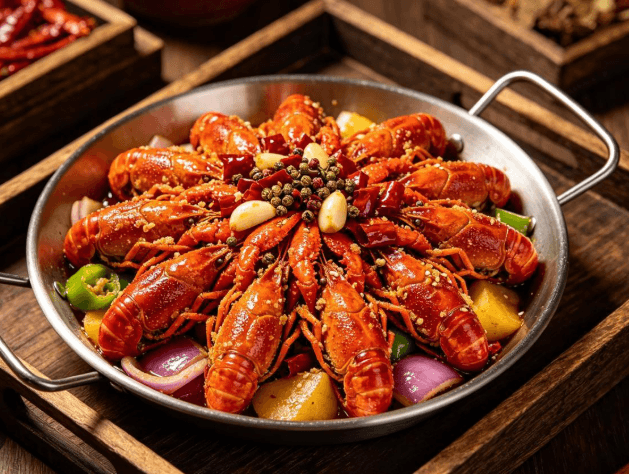
When evening falls, Jiqing Street becomes the center of nighttime dining. This area is famous for outdoor seating, spicy seafood, and braised meats. Diners are often entertained by local folk musicians who navigate between tables, creating a vibrant, noisy atmosphere.
Local Neighborhood Markets
For a more localized experience, travelers should explore residential areas in Hankou. Streets around Shuiguohu and Dazhi Road offer authentic “Guo Zao” spots. These vendors focus on single specialties, serving loyal neighborhood customers rather than transient tourists.
How to Plan Your Wuhan Culinary Itinerary
Integrating food exploration into a broader travel schedule requires strategic planning. The city’s massive scale means navigating between districts like Wuchang, Hankou, and Hanyang can take significant time. Attempting to visit major landmarks and distinct food streets in a single day requires efficient transit solutions.
Travelers looking to optimize their time should consider structured travel services. Utilizing professional logistics ensures you do not waste time navigating complex public transit. For customized travel planning, transportation, and guided experiences, visitors can explore options via Sinotrip’s Wuhan city tours. These services seamlessly blend cultural sightseeing at the Yellow Crane Tower with curated stops at authentic local dining districts.
By coordinating your logistics, you can comfortably experience a traditional “Guo Zao” in the morning, visit provincial museums in the afternoon, and end the day at a bustling night market. Proper planning elevates the entire culinary journey.
الأسئلة الشائعة (FAQ)
What exactly is “Guo Zao” in Wuhan?
“Guo Zao” is Wuhan’s unique breakfast culture. It involves eating fast, flavorful, and filling street food, often while walking or commuting to work.
Is Wuhan food considered very spicy?
Wuhan cuisine uses spice, but it is generally less intense than Sichuan or Hunan food. It balances mild heat with savory, salty, and sweet notes.
Can I find vegetarian options in Wuhan?
Yes. While meat is prevalent, many morning snacks like plain Hot Dry Noodles, Mianwo, and various steamed greens are vegetarian-friendly.
When is the best time to visit Hubu Alley?
Early morning is the best time to visit. Arriving between 7:00 AM and 9:00 AM allows you to experience the peak breakfast energy and get the freshest food.
Are local street food vendors cash-only?
Most vendors now primarily accept mobile payments like WeChat Pay and Alipay. However, keeping small denomination cash is still recommended for international travelers.
Reference Sources
- China National Tourist Office (CNTO): Official guidelines on regional Chinese culinary traditions and cultural tourism.
- UNESCO Creative Cities Network: Documentation on Wuhan’s urban design and cultural heritage integration.
- CNN Travel: Features on regional Chinese street food, specifically highlighting Wuhan’s “Guo Zao” morning culture.
- Hubei Provincial Department of Culture and Tourism: Official resources detailing local specialties like Wuchang Fish and traditional dining districts.