For most first-time visitors, 10 to 14 days is a practical amount of time to explore China’s major highlights without rushing through every destination. Seven days can work for one or two cities, while three weeks or longer allows you to add regional experiences, natural scenery and more time for local culture. The right trip length depends on your interests, arrival and departure cities, travel pace, and how much time you want to spend moving between destinations.
China is too large and diverse to experience in a single trip. Instead of trying to cover as many cities as possible, build your itinerary around a few destinations that complement each other. Beijing offers imperial history and access to the Great Wall, Xi’an is known for its Terracotta Warriors and ancient city heritage, and Shanghai combines historic neighbourhoods with contemporary urban life. Chengdu, Guilin and other destinations offer different experiences when you have additional time.
How Many Days Do You Need in China?
The following guide provides a starting point for planning your first visit. These are suggested trip lengths rather than fixed rules; your final itinerary should account for international flights, domestic transfers, attraction reservations and personal interests.
| Trip Length | Suggested Route | Best For |
|---|---|---|
| 5–7 days | Beijing and one additional destination, or Shanghai and its surroundings | Travelers with limited annual leave or a short first visit |
| 8–10 days | Beijing, Xi’an and Shanghai | First-time visitors interested in history, culture and modern China |
| 12–14 days | Beijing, Xi’an, Shanghai and one additional destination | Travelers who want a broader introduction without changing hotels every day |
| 15–21 days | Three or four main destinations, with time for regional exploration | Travelers interested in nature, food, photography or a slower pace |
| Three weeks or more | A multi-region itinerary covering selected cities and landscapes | Travelers with specific regional interests or an extended holiday |
When calculating your available time, distinguish between total trip days and full sightseeing days. An international arrival, a long-distance transfer and your departure may each use a substantial part of a day. A ten-day holiday does not necessarily provide ten complete days for sightseeing.
Is 7 Days in China Enough for a First Visit?
Yes, seven days can provide a rewarding first experience of China if you concentrate on a limited area. It is generally better to explore one city thoroughly or combine two destinations with convenient transport connections than to squeeze four or five cities into a single week.
Option 1: Seven Days in Beijing and Shanghai
This route suits travelers who want to experience both imperial landmarks and contemporary city life. However, the itinerary needs to account for the intercity transfer and should not treat every day as a full sightseeing day.
- Days 1–3: Beijing. Explore central Beijing, the Forbidden City, the Temple of Heaven or the Summer Palace, and reserve a separate day for a section of the Great Wall. Check attraction availability and booking requirements before finalizing the schedule.
- Day 4: Travel to Shanghai. Use the transfer day for transportation and a relaxed evening if arrival time permits.
- Days 5–6: Shanghai. Explore the Bund, historic neighbourhoods, Yu Garden and other attractions that match your interests.
- Day 7: Departure. Keep the final day flexible according to your flight time and airport transfer requirements.
This itinerary prioritizes two destinations rather than attempting to represent the whole country. Travelers with an interest in ancient Chinese history may prefer to replace Shanghai with Xi’an, particularly if the Terracotta Warriors are a major reason for visiting.
Option 2: Seven Days in One Region
If your main interests are food, scenery, architecture or a particular cultural region, spending the week in one area can be more satisfying than crossing the country.
For example, a traveler interested in the landscapes of southern China could focus on Guilin and Yangshuo. Those interested in Sichuan cuisine and giant pandas could prioritize Chengdu and nearby attractions. Choose the region that best matches your interests, then allow enough time for local transport, sightseeing and rest.
How to Spend 10 Days in China: A Classic First-Timer Route
Ten days is a useful target for travelers who want to combine China’s imperial history, archaeological heritage and modern urban culture. Beijing, Xi’an and Shanghai form a logical starting point because each offers a distinct experience.
Days 1–4: Beijing
Begin in Beijing, where you can explore historic landmarks and understand how the capital developed over different periods of Chinese history.
- Day 1: Arrive, transfer to your hotel, and keep the schedule light. A nearby neighborhood walk and an early dinner are more realistic than a packed sightseeing day after a long international flight.
- Day 2: Visit the Forbidden City and nearby central landmarks, subject to ticket availability and current entry arrangements.
- Day 3: Spend the day visiting the Great Wall. Choose the section according to your preferred walking difficulty, transport arrangements, and available time.
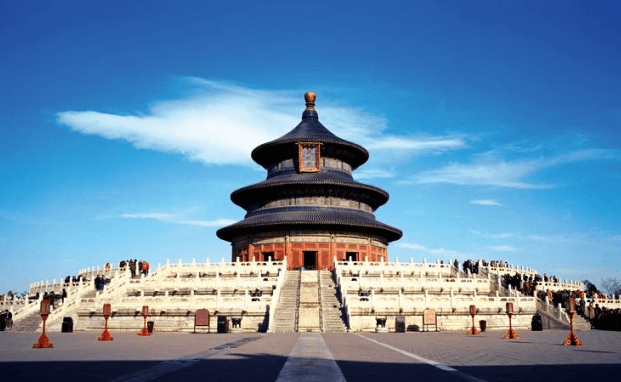
- Day 4: Explore the Temple of Heaven, Summer Palace, hutongs, or museums. Select a manageable combination based on location and opening hours.
Four days provides a useful introduction to Beijing, although travelers with a strong interest in museums, architecture, or local neighborhoods may want to stay longer.
Days 5–6: Xi’an
Travel to Xi’an by high-speed train or domestic flight, depending on the available schedule, total journey time and your preferred departure point.
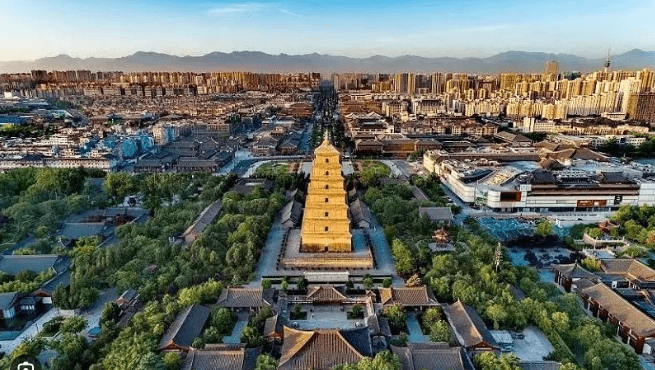
- Day 5: Arrive and explore the historic city center. The City Wall and surrounding neighborhoods are useful options if your arrival time allows.
- Day 6: Visit the Terracotta Army and allow sufficient time for transportation and the museum complex. Add another city attraction only if the schedule remains comfortable.
Two days give you an introduction to Xi’an, but they leave limited room for additional archaeological sites, museums, and slower cultural experiences. If ancient history is a priority, consider extending your stay.
Days 7–9: Shanghai
Travel to Shanghai and shift the focus from ancient capitals to modern urban life, historic commercial districts and contemporary architecture.
- Day 7: Transfer to Shanghai, check in and visit the Bund if time and weather permit.
- Day 8: Explore Yu Garden and its surrounding historic area, then choose a museum, observation deck or neighbourhood walk.
- Day 9: Discover another part of the city or consider a nearby water town, provided the additional journey fits your interests and schedule.

Day 10: Departure
Keep your departure day flexible. If you have a late flight, you may have time for a short activity near your hotel. For an early departure, plan only for the airport transfer and necessary check-in procedures.
This route works well for travelers whose priority is to see three contrasting sides of China. SinoTrip lists both an Beijing tour selection and an Xi’an tour selection, which can help when comparing destination-specific sightseeing options.
Is 14 Days in China Better Than 10 Days?
For many first-time visitors, two weeks offers a better balance between sightseeing and travel time. The extra days make it possible to add another destination without removing too much time from Beijing, Xi’an or Shanghai.
There is no single best fourth destination. Choose according to what you want to experience rather than adding a city simply to increase the number of places visited.
Option A: Add Chengdu for Food and Pandas
Chengdu is a strong choice for travelers interested in Sichuan cuisine, giant pandas and a more relaxed urban atmosphere. Allow enough time for the panda base, which generally requires an early start, and choose other activities according to opening times and transport needs.
A two-week trip could allocate four days to Beijing, two days to Xi’an, three days to Chengdu and three days to Shanghai, leaving the remaining time for intercity transfers and arrival or departure arrangements. The exact distribution should change according to flight schedules and the attractions you want to visit.
Option B: Add Guilin and Yangshuo for Landscapes
If dramatic karst scenery, river landscapes and countryside experiences appeal more than another major city, consider Guilin and Yangshuo. These destinations offer a different pace from Beijing and Shanghai.
Allow at least two or three days for the Guilin and Yangshuo area if you want to enjoy the landscape rather than simply pass through. Activities may include river scenery, countryside cycling or walking, and exploring local towns, depending on weather and operating conditions.
SinoTrip has a dedicated Guilin tour collection for travelers comparing local sightseeing options. Review the actual itinerary and included services before deciding whether a particular tour fits your available days.
Option C: Spend Longer in Your Favorite City
An additional four days do not have to mean another destination. You could use the time to explore Beijing’s museums and historic neighbourhoods, experience more of Shanghai, or include day trips that do not require another hotel change.
This approach is especially useful for families, older travelers, photographers and visitors who prefer fewer transfers. A longer stay in one place can also provide more flexibility when weather, attraction reservations or transport schedules change.
What Can You See in China in 21 Days?
Three weeks gives you more freedom to combine different regions, but the country is still too large to cover comprehensively. The most effective itinerary usually includes three or four main bases, with selected day trips rather than constant long-distance movement.
One possible structure is:
- Days 1–4: Beijing. Explore the capital and visit the Great Wall.
- Days 5–7: Xi’an. Focus on the Terracotta Army, historic sites and local food.
- Days 8–11: Chengdu and surrounding attractions. Allow time for the panda base and Sichuan culture.
- Days 12–15: Guilin and Yangshuo. Experience the region’s river and countryside landscapes.
- Days 16–19: Shanghai. Explore the city’s historic and contemporary districts.
- Days 20–21: Flexibility and departure. Use these days for a slower finish, an extra activity or departure arrangements, depending on flight schedules.
This is a planning framework, not a fixed schedule. The transfer between Guilin and Shanghai, for example, needs to be based on actual train or flight availability. If the proposed route creates inconvenient connections, remove a destination rather than sacrificing essential sightseeing time.
Travelers particularly interested in Tibet, Xinjiang or remote mountain regions should plan separately. These areas can require longer transfers, additional preparation and checks on local access requirements. Adding them to a busy classic-city itinerary may be less practical than planning a dedicated regional trip.

How to Choose the Right Number of Days for Your Travel Style
The ideal length of a China trip depends not only on the destinations but also on how you prefer to travel.
| Travel Style | Suggested Planning Approach | Why It Helps |
|---|---|---|
| First-time independent traveler | Start with 8–14 days and two to four destinations | Balances major sights with time for transport and practical arrangements |
| History enthusiast | Allow extra time in Beijing and Xi’an | Reduces pressure to rush through major historical sites and museums |
| Family with children | Choose fewer hotel changes and add rest periods | Makes the itinerary easier to manage when walking distances and energy levels vary |
| Food and culture traveler | Stay longer in selected cities and neighbourhoods | Leaves room for local markets, regional dishes and less structured exploration |
| Nature and photography traveler | Build in weather flexibility and regional travel time | Reduces the risk of missing outdoor activities because of a tightly packed schedule |
| Private tour traveler | Match the route to available days and confirm the actual service inclusions | Helps coordinate transport, sightseeing and personal preferences |
How Much Time Should You Allow for Travel Between Cities?
One of the most common planning mistakes is counting only sightseeing time. China’s major cities are connected by extensive rail and air networks, but a transfer still takes time beyond the advertised train or flight duration.
For a more realistic itinerary, consider the complete journey:
- Travel from your hotel to the station or airport.
- Allow time for check-in, security or station procedures where applicable.
- Include the train or flight itself.
- Account for the journey from the arrival station or airport to your next hotel.
- Leave room for meals, luggage and possible delays.
High-speed rail is useful for many intercity journeys, while domestic flights may be more practical for some longer routes. Neither is automatically faster once the entire journey is considered. Compare current schedules, station locations, airport transfers and ticket conditions before choosing.
Foreign travelers can consult the official China Railway 12306 English website for railway information and ticketing. The railway operator states that eligible foreign passengers can use valid passports for real-name ticket purchases, subject to applicable requirements. Check the current rules and train availability before booking.
What Other Factors Affect Your China Trip Length?
International Flight Times
Long-haul flights, jet lag and arrival procedures can make your first day less productive than expected. Avoid placing a major timed attraction immediately after an overnight international flight. If your return flight leaves early, your final day may offer little sightseeing time.
Attraction Reservations
Some popular attractions have reservation requirements, capacity limits or specific entry arrangements. Confirm these details before building your daily schedule around a particular visit. If an important attraction is unavailable on your preferred date, you may need to change the order of your itinerary.
Season and Weather
Weather can influence the experience of outdoor attractions, mountain regions and river landscapes. Spring and autumn may suit some travelers, but the best season depends on the region and your priorities. Check destination-specific conditions rather than assuming the same travel window works equally well throughout China.
Entry Requirements
Before confirming your trip, check the entry requirements that apply to your nationality, passport and travel purpose. Visa-free entry and visa-free transit are not interchangeable, and transit policies have specific eligibility, routing and permitted-area conditions.
The National Immigration Administration of China publishes official immigration information. Review the current guidance for your circumstances before booking non-refundable travel. Do not assume that eligibility for a visa-free transit arrangement automatically permits an ordinary tourism itinerary.
Should You Plan China Independently or Choose a Private Tour?
Independent travel can work well if you are comfortable arranging train tickets, checking attraction reservations, navigating local transport and adjusting plans when circumstances change. It offers control over your pace and makes it easier to spend extra time at places that interest you.
A private tour may be useful if you have limited time, want assistance coordinating multiple destinations, or prefer organized transport and sightseeing. Families, travelers with complex routes and visitors who do not want to manage every transfer may find this approach more convenient.
Before choosing a tour, check the details rather than relying on the itinerary title alone:
- Which destinations and attractions are included?
- Are intercity transfers, local transport and airport pickups included?
- Are hotels, meals, entrance fees and guide services included or charged separately?
- What language does the guide speak?
- How much free time is available each day?
- What are the cancellation and change conditions?
- Can the route be adjusted to match your arrival and departure dates?
If you already know your travel dates but are unsure how to combine destinations, use SinoTrip’s contact page to discuss your requirements. Share your available days, preferred destinations, approximate budget and travel pace so the proposed route can be assessed against your actual needs.
Common Mistakes When Deciding How Many Days to Spend in China
- Trying to visit too many cities. Every additional destination introduces another transfer and more coordination.
- Counting arrival and departure days as full sightseeing days. Flight times and airport transfers can substantially reduce usable time.
- Ignoring the size of individual attractions. Major historical sites, museums and scenic areas may need several hours or more.
- Booking transport before checking attraction dates. Reservation restrictions can affect the best order of visits.
- Leaving no flexibility. Weather, delays and changes to operating arrangements can disrupt a tightly packed itinerary.
- Choosing a route only because it looks comprehensive. A route that fits your interests and travel pace is often more rewarding than one with the longest destination list.
FAQ: Planning Your First Trip to China
Is 10 days enough to visit China for the first time?
Yes. Ten days is a practical starting point for visiting Beijing, Xi’an and Shanghai, provided you account for intercity transfers and do not try to see every attraction. If you prefer a slower pace or want to explore additional regions, consider 12 to 14 days.
Is two weeks enough to travel around China?
Two weeks is enough for a well-planned trip covering several major destinations, but not the whole country. Choose a small number of regions and leave sufficient time for transportation, sightseeing and rest.
Can I visit Beijing, Xi’an and Shanghai in seven days?
It is possible to visit all three in seven days, but the schedule will be tight. You will have limited time in each city once transfers are included. Eight to ten days generally offers more room for a balanced first visit.
How many days should I spend in Beijing?
Three to four days is a useful starting point for first-time visitors who want to see central Beijing and visit the Great Wall. Add time if you want to explore more museums, historic neighbourhoods or attractions outside the city centre.
Should I book a private tour for my first trip to China?
A private tour is worth considering if you want help coordinating transport, sightseeing and multiple destinations. Independent travel may be preferable if you enjoy making your own arrangements and want maximum flexibility. Compare actual service inclusions and costs before deciding.
Final Recommendation: Choose Your Route Before Adding More Days
For most first-time visitors, 10 to 14 days is a sensible target for a multi-city China trip. Seven days works best when you concentrate on one region or a small number of destinations, while three weeks gives you more room for nature, regional culture and a slower pace.
The best itinerary is not the one that covers the most places. It is the one that gives you enough time to experience the destinations that matter to you without spending an excessive share of the trip in transit.
Before booking, list your must-see attractions, confirm your entry requirements, check current transport schedules and allow flexibility around arrival and departure. If you need help combining destinations into a workable route, explore SinoTrip’s China tour options or contact the team to discuss a trip that fits your available time.