
The journey into the heart of China’s most populous cities often reveals unexpected pockets of tranquility, and none is quite as profound or vast as the scenic expanse of East Lake China. Officially known as Donghu Scenic Area, this monumental urban retreat, located in the bustling city of Wuhan, Hubei Province, is far more than a simple body of water; it is a vital, living ecosystem and a critical cultural landscape. Spanning over 88 square kilometers, it is famously the largest inner-city lake in China, establishing itself not only as a natural spectacle but also as a hub of history, recreation, and ecological significance. For the discerning traveller seeking an authentic blend of nature and urban sophistication, understanding the comprehensive applications of this vast area is key to unlocking its unique value.
This article delves deep into what makes the East Lake China an ultimate destination, focusing primarily on the tangible ways visitors and local residents engage with and utilize its expansive grounds. We will navigate beyond the simple picturesque views to explore its role as a premier recreational facility, a pivotal cultural center, and an indispensable ecological conservancy. Consequently, the information provided here is designed to offer a detailed, user-focused itinerary and a professional perspective on the lake’s multifaceted existence, ensuring a truly enriching experience that supports positive, responsible tourism. Furthermore, by concentrating on the activities and utility of the lake, we aim to provide actionable value for anyone planning a visit to this magnificent landmark.
Exploring the Multifaceted Applications of East Lake China
The utility of a natural urban space can be measured not just by its size, but by the diversity of activities it supports and the breadth of users it serves. The East Lake China excels in this regard, having been carefully developed over decades to cater to a wide array of interests—from the avid hiker and cyclist to the history enthusiast and the family seeking a peaceful weekend outing. Its vastness has allowed for the creation of distinct, yet harmoniously integrated, zones, each offering a unique set of applications.
The East Lake as a Premier Recreational Hub
The primary use for a great number of visitors to the East Lake China is, without a doubt, recreation and physical activity. The entire scenic area is enveloped by an extensive network of trails, famously known as the East Lake Greenway. This initiative transformed the lake’s perimeter into a world-class environment for non-motorized transport. For example, cycling the full loop, which stretches for over 100 kilometers, has become a quintessential experience. Visitors are encouraged to rent bikes and traverse the varied landscape, which includes lakeside paths, forest trails, and picturesque bridges. This application of the lake caters directly to the growing demand for sustainable and healthy outdoor pursuits in an urban setting.
In addition to the cycling paths, the tranquil waters themselves provide essential recreational applications. Boating is available across several of the lake’s major sections. Small ferries connect different scenic spots, offering a unique perspective of the landscape that is otherwise unseen from the shore. Furthermore, for those who prefer stationary enjoyment, numerous designated picnic areas and beautifully designed pavilions are meticulously maintained. These spaces allow families and friends to gather, socialize, and simply soak in the natural surroundings. Consequently, the design and maintenance of these facilities underline the lake’s status as a top-tier recreational facility, a core feature that drives user engagement throughout the year.
Embracing Culture and History: Artistic and Educational Applications
The value of East Lake China transcends pure recreation; it is also deeply embedded in the cultural and historical tapestry of the region. The lake area is home to several sites of deep historical significance, notably the Moshan Scenic Area, which is intrinsically linked to the ancient Chu Kingdom. This section hosts several important cultural exhibitions and architectural recreations, allowing the site to function as an open-air historical museum. Visitors often participate in educational tours here, gaining valuable insight into the local history that pre-dates the modern city of Wuhan.
The area surrounding the lake is also utilized extensively by local universities and research institutes for educational purposes. The proximity to Wuhan University, a renowned institution, means the lake often serves as a natural laboratory for studies in botany, ecology, and environmental science. Moreover, the cultural significance is further emphasized by the numerous annual festivals and artistic events hosted on its grounds. The famous plum blossom garden, for instance, attracts poets, painters, and photographers, effectively positioning the lake as a major center for artistic inspiration and application. Therefore, for those seeking a deeper cultural and intellectual engagement, the East Lake China offers a rich, layered experience beyond just scenic beauty.

The East Lake as a Natural Sanctuary: Conservation and Ecotourism
Perhaps the most critical, yet sometimes overlooked, application of the East Lake China is its role as a dedicated natural sanctuary and a successful model of urban conservation. In an era of rapid urbanization, maintaining a substantial natural habitat is paramount, and the lake’s protected status ensures its continued ecological health. The vast marshlands and forest areas surrounding the water act as a critical carbon sink and a home for diverse aquatic and avian species.
The conservation efforts are intentionally blended with ecotourism applications. Designated nature trails and bird-watching spots allow visitors to observe the wildlife without disturbing the sensitive ecosystem. This controlled access supports a powerful educational narrative about environmental stewardship, appealing directly to the environmentally conscious traveller. Moreover, the local government has invested significantly in water quality management, which is a continuous and complex application of environmental engineering and policy. The success of these conservation measures ensures that the East Lake China remains a healthy, functional ecosystem, thereby sustaining its recreational and cultural applications for future generations. This focus on long-term sustainability underscores the integrity and positive social value of the entire scenic area.
Planning Your Immersion: Practical Tips for Visitors
To maximize the value derived from a visit to the East Lake China, users must understand the sheer scale of the destination and plan their time accordingly. The area is divided into several main zones—Tingtao (Listening to the Wave), Moshan (Millstone Hill), Luoyan (Falling Goose), and the Chuiyu Scenic Area—each providing a distinct thematic experience.
Navigating the Scenic Areas: Which Zone is Right for You?
The Tingtao Scenic Area is often the first point of entry for many and is characterized by its historical pavilions and literary connections. It provides an excellent application for a half-day gentle stroll, featuring the famous Hubei Provincial Museum (located nearby) and beautifully maintained gardens. In contrast, the Moshan Scenic Area is ideal for the culturally-focused visitor, given its emphasis on Chu culture and historical reconstructions. Tourists interested in hiking and more vigorous activity will find the elevated trails and lookout points here particularly rewarding.
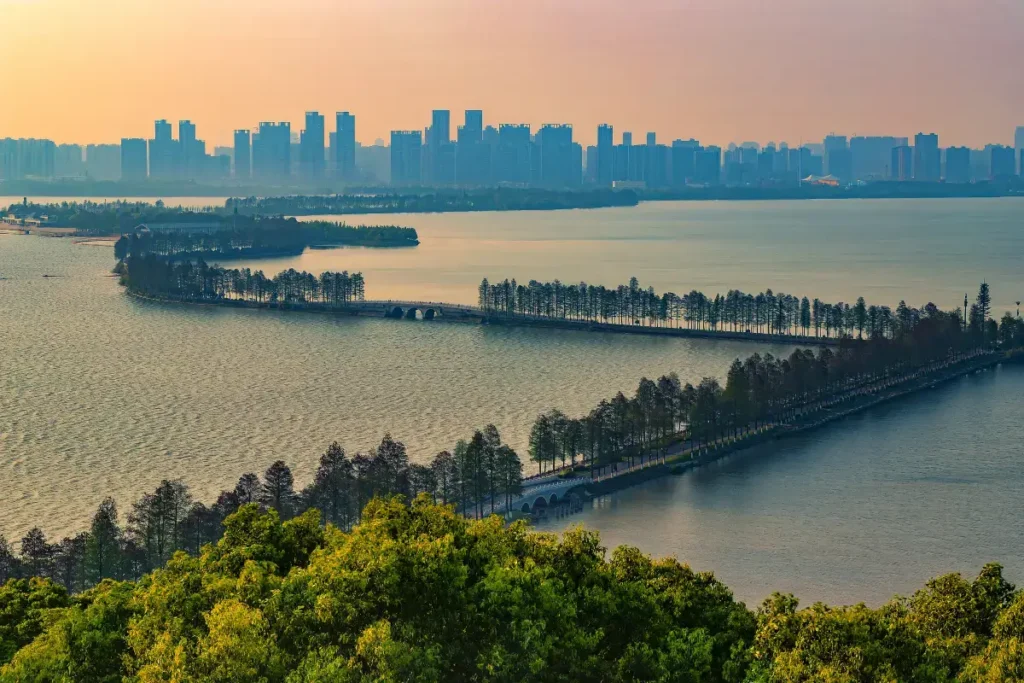
The Luoyan Scenic Area, on the other hand, is known for its beautiful bridge and pagoda, offering prime photography applications, especially during sunset. It is generally a quieter area, perfect for tranquil contemplation and extended picnics. Consequently, a single visit is often insufficient to fully appreciate the lake’s complexity. Planning ahead based on one’s primary interest—be it historical immersion, vigorous exercise, or pure natural relaxation—is highly recommended to ensure the most valuable and personalized experience possible.
Seasonal Wonders: When to Experience the Best of the East Lake
The seasonal application of the East Lake China profoundly influences the visitor experience. While the lake is stunning year-round, specific seasons highlight particular features. Spring (March to May) is arguably the most popular time, as the famous cherry and plum blossoms burst into color, creating spectacular views that draw massive crowds. This period is the best for floral photography and nature walks.
Summer brings lush greenery and the full application of the lake’s cooling effect, making it the prime season for boating and waterside relaxation, although the humidity can be intense. Autumn (September to November) provides perhaps the most comfortable conditions for long-distance cycling and hiking along the Greenway, as the weather is mild and the foliage begins to turn to beautiful shades of red and gold. Finally, winter, while colder, offers a quiet, almost contemplative atmosphere, and the sight of the bare trees against the vast expanse of water provides a unique and starkly beautiful application for quiet contemplation. The choice of season should therefore align closely with the desired activities and atmosphere.
Conclusion: A Model for the Modern Urban Green Space
The East Lake China stands as an enduring testament to the successful integration of nature, culture, and recreation within a sprawling urban environment. It is a powerful example of how large-scale ecological conservation can simultaneously serve as an economic, cultural, and social engine for a major metropolis. By prioritizing sustainable development and diverse user applications—from providing essential physical activity space to preserving vital history and habitat—the lake secures its position as the ultimate urban oasis. Visitors leave not just with beautiful photographs, but with a deeper appreciation for the complex interplay between human development and the natural world, a positive, enduring lesson that makes any trip to this Wuhan landmark truly worthwhile.
Frequently Asked Questions (FAQ)
What is the best way to get around the East Lake China Scenic Area?
The most highly recommended method is cycling the East Lake Greenway. Rental services are readily available throughout the major scenic entrances. Electric sightseeing buses also connect the main areas for those who prefer a less strenuous option.
Is there an entrance fee to visit the East Lake China?
The general East Lake Scenic Area, including the vast Greenway, is free to enter. However, specific attractions or sub-areas within the park, such as the Moshan Scenic Area or the Chu Culture attractions, may charge a separate, nominal admission fee.
How much time should I dedicate to visiting East Lake?
Given the size of the area, a minimum of a full day (six to eight hours) is recommended to explore one or two of the main zones comfortably. For a comprehensive experience, including cycling the full Greenway and visiting key cultural sites, two days would be ideal.
Are there good dining options available around East Lake?
Yes, there are numerous cafes and restaurants, particularly near the Tingtao and Guanggu sections. Visitors can find everything from casual snack stalls to traditional Hubei cuisine restaurants, ensuring that the gastronomic application of the visit is as fulfilling as the recreational.


