Hangzhou Travel Guide: West Lake, Things to Do & Itinerary Tips
Unlike cities that focus mainly on ancient monuments or modern skyscrapers, Hangzhou offers a slower travel experience. Visitors can walk beside West Lake in the morning, explore historic temples and gardens in the afternoon, visit Longjing tea villages, and enjoy traditional Jiangnan cuisine in the evening.
For many travelers, Hangzhou is also one of the easiest destinations to combine with Shanghai. A short high-speed train journey connects the two cities, making Hangzhou a popular addition to a China itinerary.
This Hangzhou Travel Guide covers the best things to do, West Lake attractions, where to visit, suggested itineraries, food, transportation and practical tips for planning your trip.
What Is Hangzhou Known For?
Hangzhou is the capital city of Zhejiang Province in eastern China and has been an important cultural and commercial center for centuries.
The city is best known for:
- West Lake scenery
- Longjing tea culture
- Jiangnan gardens
- Lingyin Temple
- Song Dynasty heritage
- Traditional Chinese architecture
- Grand Canal history
- Local Zhejiang cuisine
- Modern technology development
The most famous attraction is West Lake, which UNESCO describes as a cultural landscape combining natural scenery with gardens, temples, pagodas and historical sites.
For first-time visitors, Hangzhou is not a city where you need to rush from attraction to attraction. The best experience often comes from combining famous landmarks with slower activities such as tea tasting, lakeside walks and traditional neighborhoods.
Best Things to Do in Hangzhou
1. Explore West Lake
West Lake is the symbol of Hangzhou and the main reason many travelers visit the city.
The lake area combines:
- Scenic walking paths
- Classical gardens
- Bridges
- Pagodas
- Temples
- Traditional cultural landscapes
Unlike many attractions that require a fixed route, West Lake is better experienced slowly.
Popular areas include:
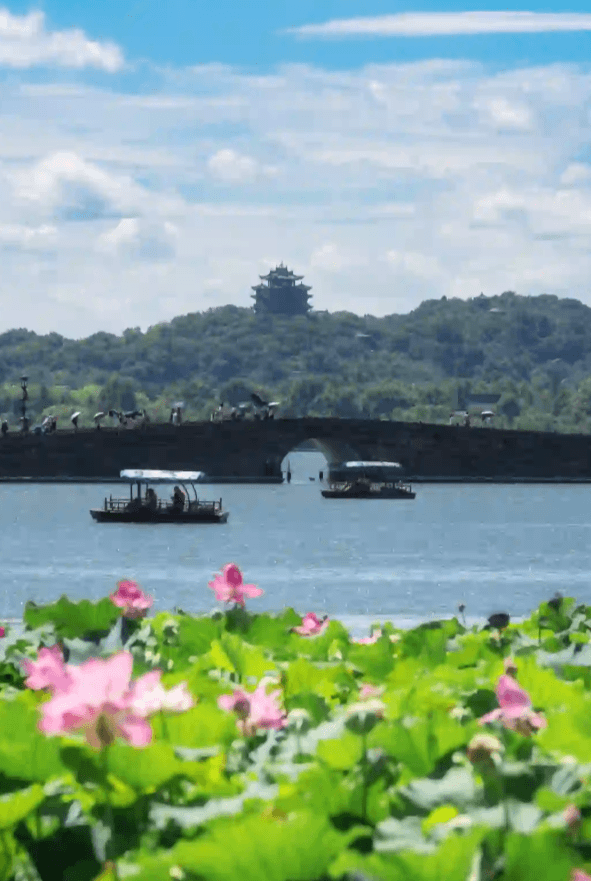
Broken Bridge (断桥)
Broken Bridge is one of West Lake’s most recognizable viewpoints.
The bridge is connected with Chinese literary traditions, especially the legend of the White Snake, making it more than just a photo spot.
Su Causeway (苏堤)
Su Causeway crosses part of West Lake and provides one of the classic lake walking experiences.
It is especially popular in the morning and during spring when the surrounding landscape changes with the seasons.
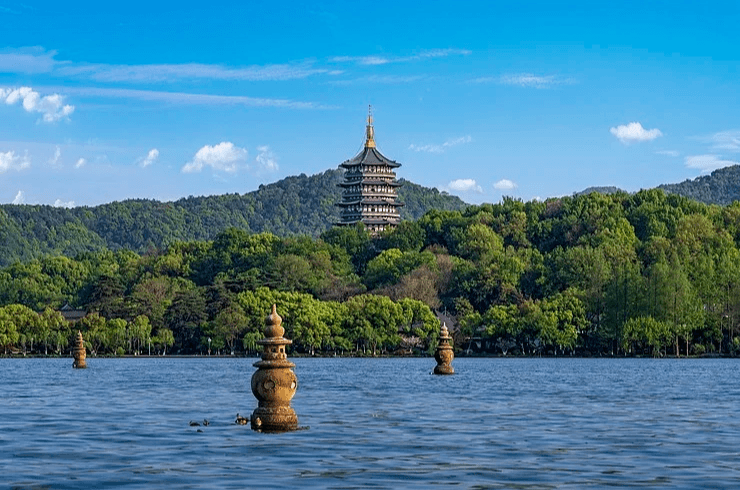
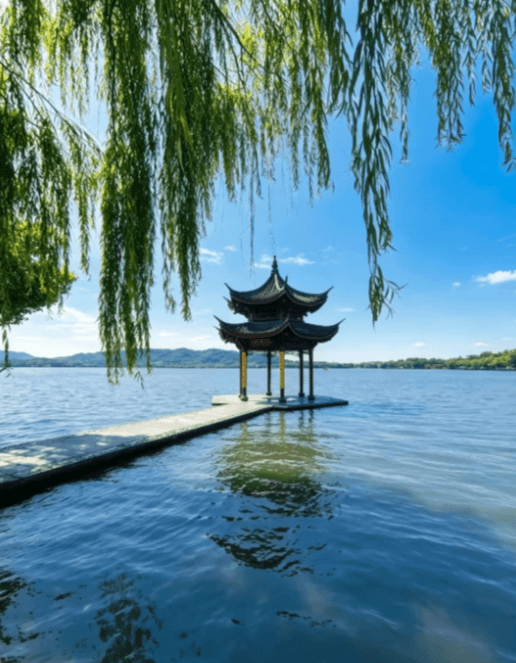
Three Pools Mirroring the Moon (三潭印月)
This island attraction is one of West Lake’s most famous scenes and is featured on China’s one-yuan banknote.
Visitors can reach the island by boat and enjoy views across the lake.
Leifeng Pagoda (雷峰塔)
Leifeng Pagoda offers elevated views over West Lake and is closely associated with the White Snake legend.
It is particularly attractive around sunset when the lake and surrounding hills create a classic Hangzhou landscape.
2. Visit Lingyin Temple
Lingyin Temple is one of Hangzhou’s most important Buddhist sites.
Located near Feilai Peak, the area combines:
- Buddhist architecture
- Ancient stone carvings
- Forest scenery
- Mountain landscapes
For travelers interested in Chinese culture and history, Lingyin Temple provides a different experience from West Lake’s scenic areas.
Allow enough time here rather than treating it as a quick photo stop.
3. Experience Longjing Tea Culture
Hangzhou is famous for Longjing tea, one of China’s most recognized green teas.
The Longjing tea villages around West Lake offer visitors a chance to experience:
- Tea plantations
- Mountain scenery
- Traditional tea houses
- Local tea culture
Popular areas include:
- Longjing Village
- Meijiawu Tea Village
- Nine Creeks (Jiuxi)
A tea village visit works especially well for travelers who want a slower alternative to crowded city attractions.
4. Walk Along Hefang Street
Hefang Street is one of Hangzhou’s best-known historic streets.
The area combines:
- Traditional architecture
- Local snacks
- Souvenir shops
- Old-style businesses
Although it is popular with tourists, it remains a convenient place to experience Hangzhou’s historic commercial atmosphere.
Nearby areas can also be combined with:
- Drum Tower
- Traditional neighborhoods
- Local food experiences
5. Visit Grand Canal Heritage Area
Hangzhou is the southern end of the Grand Canal, one of the world’s oldest and longest artificial waterways.
The Grand Canal represents centuries of transportation, trade and cultural exchange.
Visitors can explore:
- Canal-side streets
- Museums
- Historic neighborhoods
- Boat experiences
For travelers interested in Chinese history beyond imperial palaces and temples, the Grand Canal provides another perspective.
UNESCO recognizes the Grand Canal as a World Heritage Site because of its historical importance as a transportation and cultural network.
6. Explore Xixi National Wetland Park
Xixi Wetland offers a different side of Hangzhou.
Instead of classical lake scenery, visitors can experience:
- Wetland landscapes
- Waterways
- Traditional villages
- Boat rides
- Natural surroundings
It is suitable for travelers who prefer nature and slower-paced activities.
Families and travelers staying longer in Hangzhou may find it a worthwhile addition.
How Many Days Do You Need in Hangzhou?
For most first-time visitors:
- 1 day: Possible but rushed
- 2 days: Enough for the main highlights
- 3 days: Recommended for a more relaxed experience
- 4+ days: Suitable for deeper cultural exploration
| Days | Suggested Experience |
|---|---|
| 1 Day | West Lake + Lingyin Temple + Hefang Street |
| 2 Days | Add Longjing Tea Village and more West Lake areas |
| 3 Days | Add Grand Canal, Xixi Wetland or slower cultural experiences |
| 4+ Days | Add nearby destinations such as Wuzhen or other Jiangnan town |
Recommended Hangzhou Itinerary
One Day in Hangzhou
If you only have one day:
Morning
West Lake walking route:
- Broken Bridge
- Bai Causeway
- Su Causeway
Afternoon
Visit:
- Lingyin Temple
- Feilai Peak
Evening
Explore:
- Hefang Street
- Lakeside area
This covers the essential Hangzhou experience but leaves little time for a relaxed pace.
Two Days in Hangzhou
Day 1: West Lake & Culture
Morning:
- West Lake
- Three Pools Mirroring the Moon
- Leifeng Pagoda
Afternoon:
- Lingyin Temple
Evening:
- Hefang Street
Day 2: Tea & Local Life
Morning:
- Longjing Tea Village
- Meijiawu
Afternoon:
- Nine Creeks
- Xixi Wetland
Evening:
- Local Hangzhou cuisine
Two days is enough for most travelers who want to see the city’s major attractions.
Three Days in Hangzhou
Three days allows you to slow down.
Suggested plan:
Day 1
West Lake highlights
Day 2
Lingyin Temple + Longjing Tea Village + Nine Creeks
Day 3
Grand Canal + Xixi Wetland + historic neighborhoods
This itinerary works well for travelers who want both famous attractions and a deeper understanding of Hangzhou culture.
Best Time to Visit Hangzhou
Hangzhou can be visited throughout the year, but each season offers a different experience.
Spring (March–May)
Spring is one of the most popular periods.
Visitors can enjoy:
- Green landscapes
- Comfortable temperatures
- Tea plantation scenery
Summer (June–August)
Summer can be hot and humid.
However, visitors can still enjoy:
- Early morning West Lake walks
- Tea villages
- Evening activities
Autumn (September–November)
Many travelers consider autumn one of the best seasons for Hangzhou.
Advantages include:
- Pleasant weather
- Clearer scenery
- Comfortable outdoor activities
Winter (December–February)
Winter is quieter.
West Lake has a different atmosphere with fewer crowds and a more peaceful landscape.
What Food Should You Try in Hangzhou?
Hangzhou cuisine belongs to Zhejiang cuisine and is known for fresh ingredients and balanced flavors.
Popular dishes include:
Dongpo Pork
A famous Hangzhou dish associated with the poet Su Dongpo.
The dish is known for slow cooking and tender texture.
West Lake Vinegar Fish
A traditional Hangzhou specialty using freshwater fish with a sweet and sour sauce.
Longjing Shrimp
This dish combines local shrimp with Longjing tea leaves.
It represents the connection between Hangzhou’s tea culture and cuisine.
Beggar’s Chicken
A traditional dish from the Jiangnan region involving slow cooking methods.
Hangzhou Snacks
Visitors can also try:
- Xiaolongbao
- Sesame pastries
- Local noodles
- Traditional desserts
How to Get to Hangzhou
By High-Speed Train
The easiest way for many travelers is by train.
Hangzhou has high-speed rail connections with:
- Shanghai
- Beijing
- Nanjing
- Suzhou
- Other major Chinese cities
The Shanghai–Hangzhou route is particularly convenient for travelers combining both destinations.
By Air
Hangzhou Xiaoshan International Airport connects the city with domestic and international destinations.
Getting Around Hangzhou
Transportation options include:
- Metro
- Public buses
- Taxi
- Ride-hailing services
- Cycling
For West Lake, walking is often the best way to experience the scenery.
Where Should You Stay in Hangzhou?
West Lake Area
Best for:
- First-time visitors
- Scenic views
- Easy access to major attractions
Downtown Hangzhou
Best for:
- Shopping
- Restaurants
- Transportation convenience
Qianjiang New Town
Best for:
- Modern city views
- Business travelers
Near Hangzhou East Railway Station
Best for:
- Travelers making short visits
- Convenient train connections
Hangzhou Travel Tips
Do Not Rush West Lake
West Lake is not just a photo destination.
Allow time for walking, sitting, and enjoying the landscape.
Visit Popular Attractions Early
Places such as Lingyin Temple and West Lake can become crowded during holidays.
Morning visits usually provide a better experience.
Combine Nature and Culture
The best Hangzhou itinerary combines:
- West Lake scenery
- Tea culture
- Temples
- Historic streets
- Local food
Consider Adding Hangzhou to a Shanghai Trip
Because of the convenient train connection, many travelers combine:
Shanghai → Hangzhou → Suzhou
This creates a balanced itinerary covering modern China and traditional Jiangnan culture.
Travelers planning a wider China route can explore SinoTrip’s China private tours and customized travel options to connect Hangzhou with other destinations.
Is Hangzhou Worth Visiting?
Yes, especially for travelers who want to experience a different side of China beyond major cities and famous historical monuments.
Hangzhou is best suited for:
- Couples
- Culture travelers
- Families
- Photography lovers
- Food travelers
- Travelers interested in tea and gardens
The city combines natural scenery, history, food and modern urban life in a way that few Chinese destinations can match.
For a first visit, a combination of West Lake, Lingyin Temple, Longjing Tea Village and local cuisine provides the essential Hangzhou experience.
Frequently Asked Questions
How many days do you need in Hangzhou?
Two to three days is ideal for most first-time visitors. Two days covers the major attractions, while three days allows a more relaxed experience.
Is Hangzhou worth visiting from Shanghai?
Yes. Hangzhou is one of the easiest day trips or short extensions from Shanghai because of convenient high-speed rail connections.
What is Hangzhou famous for?
Hangzhou is famous for West Lake, Longjing tea, Lingyin Temple, Jiangnan culture, silk production and Song Dynasty heritage.
What is the best month to visit Hangzhou?
Spring and autumn are generally comfortable periods for sightseeing, especially for walking around West Lake and visiting tea villages.
Is Hangzhou good for families?
Yes. West Lake, parks, boat rides, wetlands and cultural attractions make Hangzhou suitable for family travel.
References
- UNESCO World Heritage Centre — West Lake Cultural Landscape of Hangzhou
https://whc.unesco.org/en/list/1334/ - UNESCO World Heritage Centre — The Grand Canal
https://whc.unesco.org/en/list/1443/ - Hangzhou Tourism Official Website
https://wgly.hangzhou.gov.cn/ - Travel China — Official Tourism Website of China
https://www.travelchina.org.cn/