
Tibet sits on the Tibetan Plateau, where high elevations and reduced oxygen pressure can make travel physically demanding. Lhasa, the region’s main travel gateway, is approximately 3,700 meters (12,100 feet) above sea level. Destinations such as Yamdrok Lake and Everest Base Camp reach even higher elevations. Understanding Tibet altitude, recognizing altitude sickness symptoms, and allowing enough time for acclimatization are essential steps when planning a trip.
For international travelers, altitude should influence more than packing decisions. It affects daily activity levels, sightseeing schedules, overnight stops, and the order in which destinations are visited. This guide explains the elevation of popular Tibet destinations, how altitude sickness develops, and what travelers should consider before choosing a Tibet itinerary.
How High Is Tibet Above Sea Level?
Tibet is part of the Tibetan Plateau, one of the world’s highest extensive elevated regions. Much of the plateau lies above 4,000 meters, although elevations vary considerably between valleys, cities, lakes, mountain passes, and residential areas.
At high elevations, atmospheric pressure decreases. Although the percentage of oxygen in the air remains approximately the same, each breath delivers less oxygen to the body. This is why visitors arriving from low-altitude countries may experience fatigue, headaches, or shortness of breath during their first days in Tibet.
According to the CDC Yellow Book 2026, Lhasa is approximately 3,700 meters (12,100 feet) above sea level. This elevation is already high enough to create a meaningful risk of altitude illness for travelers who have not acclimatized.
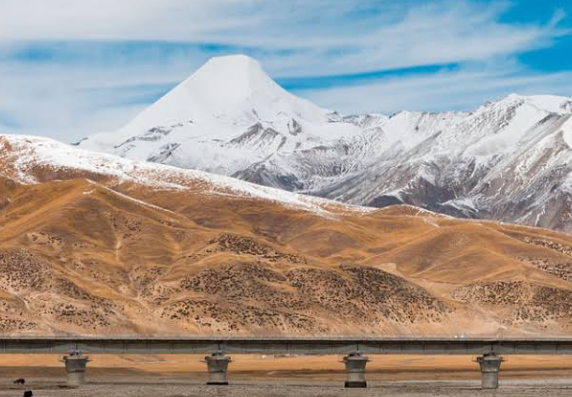
Altitude of Popular Tibet Travel Destinations
Different Tibet destinations have different elevations. A route that begins in Lhasa may involve substantial altitude gains when it continues toward mountain passes, lakes, or Everest Base Camp.
| Destination | Approximate Elevation | Travel Consideration |
|---|---|---|
| Lhasa | 3,700 m / 12,100 ft | Allow time for initial acclimatization after arrival. |
| Shigatse | 3,850 m / 12,630 ft | Consider the change in sleeping elevation when planning the route. |
| Yamdrok Lake viewpoints | Up to approximately 4,440 m / 14,570 ft | Short visits at higher elevations still require appropriate precautions. |
| Everest Base Camp, Tibet | Approximately 5,200 m / 17,060 ft | This is a very high-altitude destination and requires careful itinerary planning. |
These figures are approximate travel-planning references. Actual elevations vary according to the specific viewpoint, accommodation, road section, and campsite. Travelers should confirm the elevation of each overnight stop rather than relying only on the highest point reached during a day trip.
How Different Altitudes Affect Your Tibet Travel Experience
The effects of high altitude become more significant as travelers move from Lhasa toward higher mountain destinations. Understanding these differences can help visitors choose realistic sightseeing schedules and avoid unnecessary physical strain.
| Altitude Range | Typical Travel Environment | Planning Considerations |
|---|---|---|
| 2,500–3,000 m | Moderate-altitude destinations | Some visitors may notice reduced exercise tolerance. |
| 3,000–4,000 m | Lhasa and other major Tibet destinations | Allow time for acclimatization and keep initial activities light. |
| 4,000–5,000 m | High mountain lakes, passes, and viewpoints | Physical activity may become more demanding. Avoid rapid increases in sleeping altitude. |
| Above 5,000 m | Everest Base Camp area and very high mountain environments | Requires careful medical and travel preparation, with appropriate emergency arrangements. |
These ranges are general planning categories, not medical thresholds that predict how an individual will respond. Altitude illness can occur at lower elevations, and personal susceptibility varies.
For this reason, travelers should consider both the highest elevation reached and the elevation where they sleep each night.
Why Does High Altitude Affect Travelers in Tibet?
High altitude affects the body primarily because of reduced atmospheric pressure and lower oxygen availability with each breath. The body needs time to adjust by increasing breathing and making other physiological changes.
At sea level, most travelers are accustomed to breathing air under relatively stable pressure conditions. After arriving in Lhasa, the body suddenly has to function in an environment with significantly lower oxygen pressure.
Several factors influence how a person responds:
- Starting elevation: Travelers arriving directly from sea-level cities face a greater initial change than those who have already spent time at moderate elevations.
- Rate of ascent: Rapid increases in sleeping altitude leave less time for acclimatization.
- Individual susceptibility: Some travelers develop symptoms at elevations that other people tolerate more comfortably.
- Previous altitude experience: A history of altitude sickness at a similar elevation and ascent rate can help inform future travel planning, although it cannot guarantee the same response.
- Physical health: Existing heart or lung conditions and certain other medical issues may increase travel risks.
Being physically fit does not eliminate the risk of altitude sickness. Even experienced hikers and athletes can develop altitude-related illness when they ascend too quickly.
What Is Altitude Sickness in Tibet?
Altitude sickness, also known as acute mountain sickness (AMS), can develop when the body does not have enough time to adjust to a higher elevation. It commonly occurs after rapid ascent to elevations above approximately 2,450 meters (8,000 feet), although individual susceptibility varies.
Because Lhasa is approximately 3,700 meters above sea level, travelers arriving from low-altitude destinations should take acclimatization seriously from the beginning of their trip.
Common Symptoms of Altitude Sickness
Symptoms usually appear within several hours after arriving at a higher elevation or ascending further. They may become noticeable during the first night or the following morning.
| Symptom | What Travelers May Experience |
|---|---|
| Headache | A persistent headache that develops after ascending. |
| Nausea | Feeling sick, reduced appetite, or vomiting. |
| Dizziness | Lightheadedness or difficulty maintaining normal activity. |
| Fatigue | Unusual tiredness, weakness, or reduced exercise tolerance. |
| Sleep disturbance | Difficulty sleeping or waking frequently during the night. |
| Shortness of breath | Breathing harder during physical activity than expected. |
A headache following recent ascent, especially when accompanied by nausea, dizziness, or fatigue, should not be ignored. Travelers should stop ascending and seek medical advice if altitude sickness is suspected.
Severe Altitude Illness: Warning Signs
Severe altitude illness can develop into high-altitude cerebral edema (HACE) or high-altitude pulmonary edema (HAPE). Both conditions are medical emergencies and require immediate action.
Warning signs of HACE include:
- Confusion or unusual behavior.
- Difficulty walking in a straight line or loss of coordination.
- Extreme fatigue or drowsiness.
- Reduced consciousness.
Warning signs of HAPE include:
- Shortness of breath even while resting.
- Persistent or worsening cough.
- Chest congestion or tightness.
- Severe weakness or rapidly declining exercise ability.
If these symptoms occur, arrange immediate descent to a lower elevation and emergency medical assistance. Supplemental oxygen may be required. Do not wait for symptoms to disappear or continue the planned sightseeing schedule.
How to Acclimatize to Tibet’s High Altitude
Gradual ascent is one of the most effective ways to reduce the risk of altitude sickness. The body needs time to adapt to lower oxygen pressure, particularly when travelers move from low-altitude cities to destinations above 3,000 meters.
1. Allow Time in Lhasa Before Traveling Higher
Lhasa is a common starting point for Tibet tours. Instead of immediately traveling toward higher mountain destinations, build a suitable acclimatization period into the itinerary.
For many first-time visitors, allowing two or three initial days in Lhasa before continuing to higher destinations is a practical planning approach. However, this is not a guarantee against altitude sickness, and the appropriate schedule depends on individual health, previous altitude exposure, and symptoms.
Use the initial period for light activities, adequate rest, and familiarization with the local environment. Avoid arranging strenuous hikes or long transfers immediately after arrival.
2. Increase Sleeping Altitude Gradually
The elevation where travelers sleep is particularly important when assessing ascent risk. Visiting a high mountain viewpoint during the day and returning to a lower sleeping altitude is generally less demanding than spending the night at that higher elevation.
The CDC Yellow Book recommends avoiding an increase in sleeping altitude of more than approximately 500 meters per night once above 3,000 meters, with an additional acclimatization night for every 1,000 meters of sleeping-altitude gain.
These are general travel-medicine guidelines rather than a personalized itinerary or a guarantee of safety. Some travelers require a slower ascent.
3. Avoid Strenuous Activities During the First Days
Physical activity places additional demands on the body. During the initial acclimatization period, keep sightseeing relatively light and avoid intense exercise.
Walking slowly, taking breaks, and avoiding unnecessary stair climbing can make the first days more manageable. Activities such as demanding mountain hikes should not be scheduled immediately after arrival.
4. Stay Hydrated and Avoid Alcohol Initially
Drink fluids regularly and maintain normal meals during your trip. Avoid excessive alcohol consumption, particularly during the first 48 hours at high altitude. Alcohol can interfere with sleep and make it harder to recognize or manage altitude-related symptoms.
Travelers should also avoid using alcohol or sedatives to manage sleep difficulties without appropriate medical advice.
5. Consult a Doctor Before Considering Altitude Medication
Some travelers may benefit from prescription medication to help prevent altitude sickness, particularly when gradual ascent is not possible. However, medication selection depends on medical history, contraindications, allergies, and the planned travel route.
Discuss your itinerary with a healthcare professional familiar with high-altitude travel before departure. Do not self-prescribe acetazolamide or other medication based solely on advice from a travel blog.
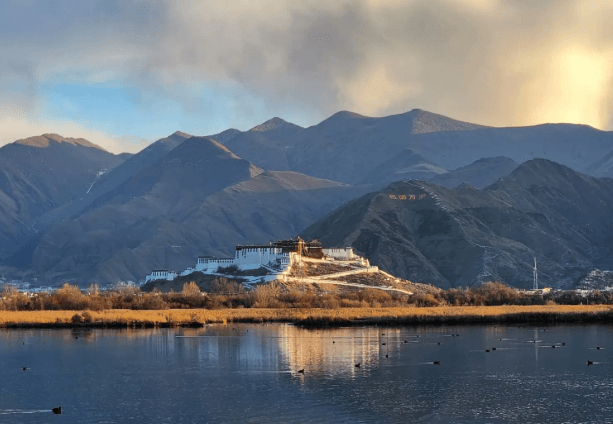
How Tibet Altitude Affects Your Travel Itinerary
Altitude should be considered when choosing the order of destinations, the number of travel days, and the amount of physical activity planned each day. A route that looks efficient on a map may not be suitable if it involves rapid increases in sleeping elevation.
Example of a More Gradual Tibet Travel Plan
The following is an illustrative route structure, not a medical acclimatization prescription. Actual overnight elevations, transport conditions, and individual health requirements must be assessed before booking.
| Travel Stage | Suggested Focus | Altitude Consideration |
|---|---|---|
| Initial arrival | Transfer to Lhasa and rest. | Allow the body to adjust to approximately 3,700 m. |
| Early stay in Lhasa | Light city sightseeing and cultural visits. | Avoid demanding activities while acclimatizing. |
| Further acclimatization | Continue a flexible Lhasa itinerary. | Assess symptoms before increasing sleeping altitude. |
| Regional travel | Visit destinations such as Shigatse or Yamdrok Lake. | Account for higher viewpoints and overnight elevations. |
| High-altitude extension | Consider an Everest Base Camp itinerary. | Requires careful ascent planning and emergency arrangements. |
For travelers comparing different routes, the Best Tibet Tours guide provides additional information about itinerary options and altitude considerations.
Why Rushing to Everest Base Camp Can Be a Problem
Everest Base Camp on the Tibet side is approximately 5,200 meters above sea level. This is substantially higher than Lhasa and should not be treated as an ordinary sightseeing extension.
Travelers should evaluate the entire route, including intermediate overnight stops, road conditions, available medical support, and the time needed for acclimatization. A schedule that moves too quickly toward higher sleeping elevations can increase the risk of altitude illness.
Before choosing a high-altitude tour, ask the operator:
- How many nights are included in Lhasa before the route climbs higher?
- What are the overnight elevations along the itinerary?
- Are there suitable opportunities to slow down or adjust the route?
- What emergency assistance and oxygen arrangements are available?
- How can the itinerary be changed if a traveler develops altitude sickness?
These questions are more useful than judging a tour solely by how many attractions it includes.
What Should You Prepare Before a Tibet Trip?
Good preparation helps travelers manage both the physical demands of high altitude and the practical requirements of a Tibet itinerary.
Travel and Health Preparation Checklist
- Discuss high-altitude travel with a healthcare professional if you have existing medical conditions or previous altitude-related problems.
- Allow sufficient time for acclimatization in your itinerary.
- Keep personal prescription medication and medical information accessible.
- Pack layered clothing for changing temperatures and strong mountain winds.
- Bring sun protection, including sunglasses, sunscreen, and a suitable hat.
- Keep drinking water available during transfers and sightseeing.
- Confirm current Tibet travel permits and applicable entry arrangements.
- Check road conditions, accommodation locations, and emergency support before departure.
- Understand how to contact your guide or local emergency services if symptoms develop.
Travelers with heart or lung disease, sleep-related breathing disorders, pregnancy, or other significant medical conditions should seek individualized medical advice before undertaking high-altitude travel.
Plan a Tibet Tour Around Altitude and Travel Comfort
A well-planned Tibet itinerary should balance cultural experiences, scenic destinations, transportation, and sufficient acclimatization time. Visiting Lhasa before continuing to higher areas gives travelers an opportunity to assess how they respond to altitude and adjust their plans accordingly.
When comparing tour options, look beyond the number of destinations included. Consider the overnight elevations, daily driving distances, rest opportunities, guide support, and emergency arrangements. These factors can make a significant difference to the overall travel experience.
Explore SinoTrip’s Tibet tour options to compare possible routes. If you have specific travel dates, health-related planning considerations, or preferred destinations, you can also use SinoTrip to start planning a customized China travel itinerary.

Frequently Asked Questions About Tibet Altitude
1. What is the average altitude of Tibet?
The Tibetan Plateau has an average elevation of more than 4,000 meters in many geographical descriptions, although individual destinations vary considerably. Lhasa, a major travel gateway, is approximately 3,700 meters above sea level.
2. What is the altitude of Lhasa, Tibet?
Lhasa is approximately 3,700 meters (12,100 feet) above sea level. Visitors arriving from low-altitude locations should allow time to acclimatize and avoid strenuous activities immediately after arrival.
3. How long does it take to acclimatize to Tibet’s altitude?
The initial acclimatization process generally takes several days, with important physiological adjustments occurring during the first three to five days. Individual responses vary, and some travelers need more time before moving to higher elevations.
4. What are the symptoms of altitude sickness in Tibet?
Common symptoms include headache, nausea, dizziness, fatigue, and difficulty sleeping. Severe symptoms such as confusion, loss of coordination, or breathlessness at rest require immediate medical attention and descent to a lower elevation.
5. How can travelers reduce the risk of altitude sickness in Tibet?
Allow time for gradual acclimatization, avoid rapid increases in sleeping altitude, limit strenuous activity during the first days, and avoid alcohol initially. Consult a healthcare professional about individual risks and whether preventive medication is appropriate.
6. Is Everest Base Camp in Tibet too high for first-time visitors?
Everest Base Camp on the Tibet side is approximately 5,200 meters above sea level. First-time visitors should not treat it as a casual extension of a Lhasa sightseeing trip. A carefully planned route, adequate acclimatization, and suitable emergency arrangements are essential.
7. Can I travel to Tibet if I have altitude sickness?
Travelers experiencing altitude sickness should not continue ascending or move to a higher sleeping elevation. Seek medical advice, and descend if symptoms worsen or severe warning signs develop. Anyone considering travel after a previous serious altitude illness should obtain medical clearance and individualized advice.
8.Can You Get Altitude Sickness in Lhasa?
Yes. Lhasa is approximately 3,700 meters above sea level, which is high enough for visitors arriving from low-altitude locations to develop acute mountain sickness. Common symptoms include headache, nausea, dizziness, and fatigue. Travelers should allow time to acclimatize and avoid continuing to higher elevations if symptoms develop.
9.Is It Safe to Visit Tibet at 5,000 Meters?
Travel at approximately 5,000 meters requires careful preparation because oxygen availability is significantly reduced. Visitors should have an appropriately gradual ascent plan, understand altitude sickness symptoms, and confirm access to emergency assistance. People with relevant medical conditions should obtain individualized medical advice before departure.
References
- CDC Yellow Book 2026: High-Altitude Travel and Altitude Illness
- CDC Travelers’ Health: Travel to High Altitudes
- NCBI Bookshelf: High-Altitude Travel and Altitude Illness
Medical information in this article is for general travel education and is not a substitute for professional medical advice, diagnosis, or treatment. Travelers should consult a qualified healthcare professional before high-altitude travel, particularly if they have existing medical conditions.